 how-to
7 Steps to Insure a High Value Bourbon Collection
Last Updated: October 26, 2026
Quick Summary
To insure bourbon collection value, document every bottle with photos, receipts and serial numbers, get a professional appraisal, then choose between a scheduled property endorsement or a specialist collection policy since homeowners sub-limits rarely cover high value bottles. Update your schedule and appraisals every year so newly acquired bottles stay protected.
- Standard homeowners policies cap collectibles at a low sub-limit and often exclude breakage.
- Scheduled property covers only listed bottles, so new bottles stay under the homeowners cap until added.
- Photograph the full bottle, label, neck seal and bottom stamp, and store images in cloud backup.
- An appraisal older than a year or two may be challenged, so get a fresh one before renewing.
- Bottles shipped, consigned or stored off-site may fall outside coverage without transit or inland marine endorsement.
Table of Contents
- Why a High Value Bourbon Collection Needs Its Own Coverage
- Does Homeowners Insurance for Collectibles Cover Your Bottles?
- How to Document a Bourbon Collection Before You Insure It
- Getting a Bourbon Collection Appraisal That Insurers Accept
- Bourbon Storage Conditions That Keep Your Coverage Valid
- How to Insure a High Value Bourbon Collection: Step by Step
- How Insurers Value Bourbon and Settle Claims
- Start Tracking Your Collection in Bourbon Tracker
- Frequently Asked Questions
Why a High Value Bourbon Collection Needs Its Own Coverage
A standard homeowners policy treats your bourbon like furniture, not like an asset, which is why serious collectors insure bourbon collection value separately. That gap is where collections get destroyed.
Most people assume their homeowners policy has them covered. It usually does, up to a point. The problem is the point. Standard policies often cap coverage for collectibles at a low sub-limit, and bourbon rarely gets its own category. A single allocated bottle can blow past that cap on its own.
Here is what most guides get wrong: they talk about wine insurance and assume bourbon works the same way. It doesn't. Bourbon sits in open bottles, gets moved between shelves, and gets shared at tastings. Those are risks wine collectors rarely face.
Below, we'll walk through the seven steps for insuring a collection, plus the policy gaps that catch people off guard.
Does Homeowners Insurance for Collectibles Cover Your Bottles?
Homeowners insurance for collectibles rarely covers a high value bourbon collection in full. Most policies apply a sub-limit to collectibles, and anything above that limit needs a rider, endorsement, or separate policy. The practical question is not whether you have coverage, but which of three coverage paths fits your collection and how each one pays out when a bottle is lost.
| Coverage Type | What It Covers | How Claims Settle | Best For | Main Limitation |
|---|---|---|---|---|
| Standard homeowners | Contents, with a collectibles sub-limit | Actual cash value or replacement cost, depending on the policy form | Small collections under the cap | Low cap, no bottle-level tracking, breakage often excluded |
| Scheduled property endorsement | Named items at an agreed value | Agreed value for listed items, subject to the schedule | A handful of rare bottles | Requires appraisal per item; new bottles are not covered until scheduled |
| Specialist collection policy | Full inventory, broader perils | Usually agreed value or replacement cost with a documented inventory | Large or growing collections | Higher premiums, stricter records, underwriting review |
A common mistake is assuming the endorsement covers everything once it is added. It does not. Scheduled property covers only the items you listed. Buy a new bottle and forget to schedule it, and it is back under the low homeowners cap. The same gap appears at renewal: if you do not update the schedule, newly acquired bottles sit unprotected even though the policy is active.
Deductibles work differently across the three paths. A standard homeowners claim is subject to the policy deductible, which can be a flat dollar amount or a percentage of the dwelling limit (Understanding your insurance deductibles). Scheduled property often carries a per-item or per-schedule deductible, and specialist policies may apply a deductible per claim or per occurrence. Read the declarations page before you assume a small loss is worth filing; a deductible that exceeds the value of a single bottle means the claim pays nothing.
Settlement mechanics matter just as much as limits. Actual cash value pays the depreciated value of the bottle, which for bourbon can be far below secondary-market prices. Replacement cost pays what it costs to replace the bottle with a comparable one, but the insurer may cap that at the schedule limit or require proof that a replacement is available. Agreed value pays the amount listed on the schedule, which is why the appraisal behind that number has to hold up.
When you compare quotes, ask each insurer four questions in writing: what limit applies to the collection as a whole, whether coverage is agreed value or replacement cost, which perils are excluded, and how new bottles are added mid-term. The answers, not the premium alone, tell you which path actually protects the collection.
How to Document a Bourbon Collection Before You Insure It
Documentation is the whole game when you insure bourbon collection value. An insurer pays claims based on what you can prove, not what you remember.
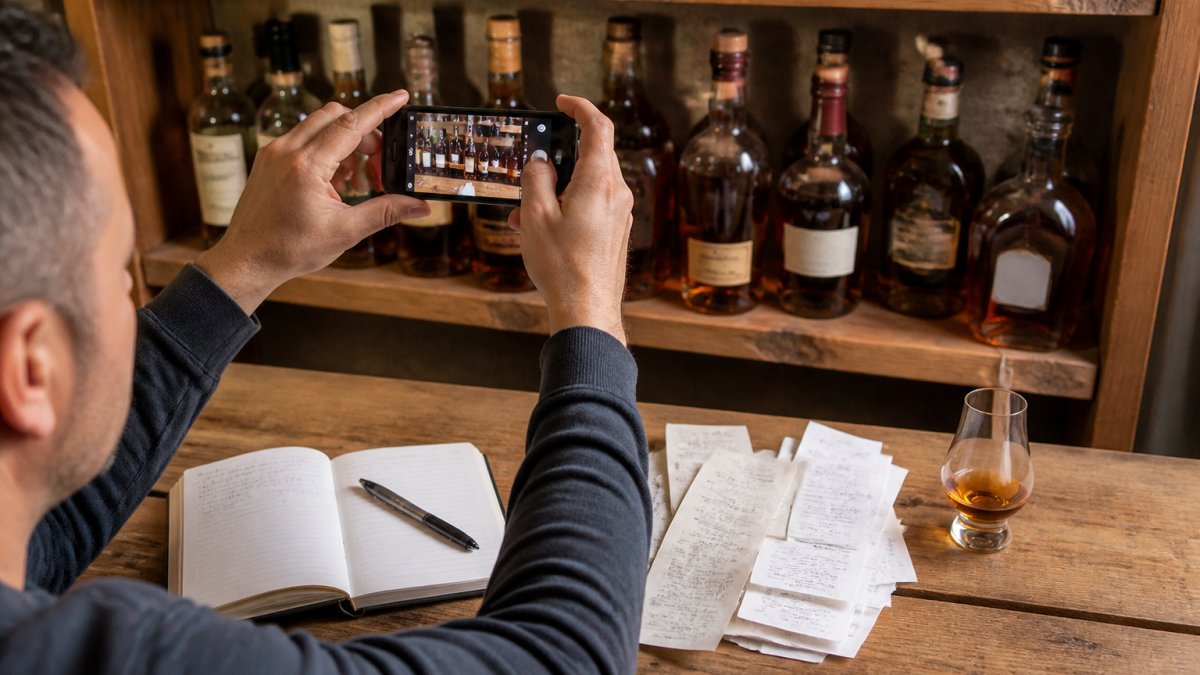
Start with a bottle-by-bottle inventory. For each bottle, record:
- Distillery, expression, and release year
- Bottle size and proof
- Purchase date, price, and seller
- Receipt or auction record
- Front, back, and seal photographs
- Serial numbers or laser codes where present
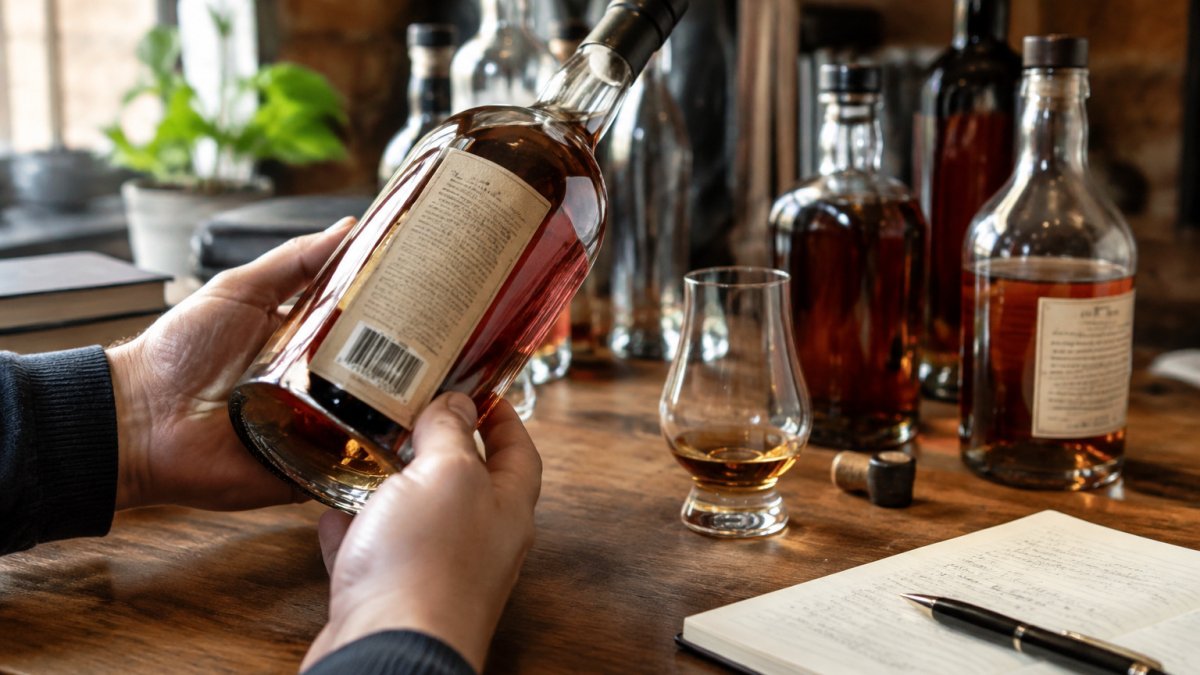
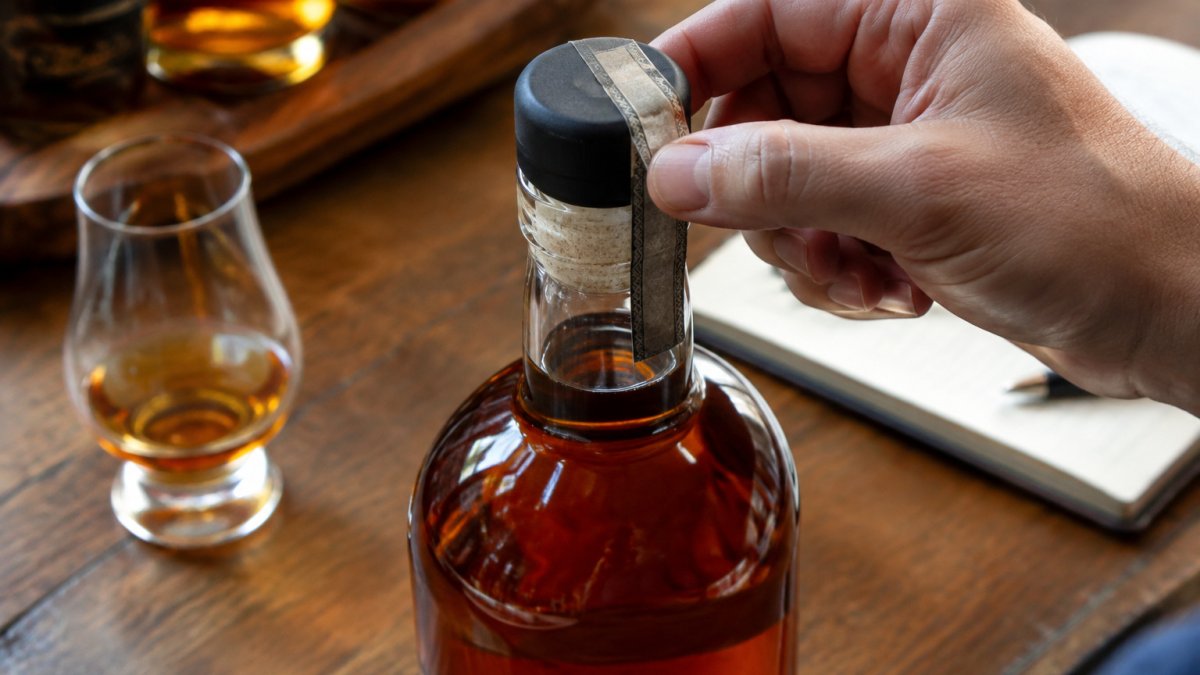
Photographs carry the most weight in a claim. Shoot the full bottle, the label, the neck seal, and the bottom stamp. Store them in cloud backup, not just on your phone.
Provenance matters for auction purchases. Keep the auction house's invoice and lot number. Insurers treat a documented auction record as stronger proof than a retail receipt.
If you want proven cataloging methods, best methods for cataloging rare whiskey bottles covers the workflows collectors use to keep records clean and insurer-ready.
Getting a Bourbon Collection Appraisal That Insurers Accept
A bourbon collection appraisal is a written valuation of your bottles at current market value, prepared by someone the insurer recognizes. Insurers accept appraisals that show method, sources, and date.
Not every appraisal holds up. An insurer will push back on a number with no backup. Ask the appraiser to document:
- Which bottles were valued and at what grade
- The secondary market sources used
- The date of valuation
- Photos referenced in the report
Secondary market pricing moves fast on allocated releases. An appraisal older than a year or two may get challenged. Get a fresh one before you renew or increase coverage.
For a detailed method you can follow or hand to an appraiser, how to value whiskey for insurance walks through the step-by-step process.
Bourbon Storage Conditions That Keep Your Coverage Valid
Bourbon storage conditions affect both the whiskey and the claim. Poor storage can void coverage or reduce a payout, and bourbon carries risks that wine-focused guidance does not address. Insurers look for reasonable care, and the specific failures they flag are different for spirits than for wine.
Insurers look for reasonable care. That means:
- Stable temperature, away from heat sources
- No direct sunlight on labels or liquid
- Upright storage for open bottles
- Secure shelving that won't collapse
- Protection from flooding and humidity
Open bottles are the tricky part. Once a seal breaks, value drops and some policies treat the bottle differently. Keep open bottles upright and out of sunlight to slow degradation.
Leakage is a separate peril from breakage. A cork that fails or a seal that weeps can damage the label and the box, and many policies exclude leakage or treat it as gradual damage rather than a sudden loss.
Temperature damage is the risk bourbon collectors most often miss. Heat does not just spoil the whiskey; it can push corks, loosen seals, and cause seepage. A garage or attic that swings through summer heat is exactly the storage condition an adjuster will point to when denying a claim. Basements bring the opposite problem: humidity that rusts caps and damages labels.
Transit and off-site storage are where coverage most often disappears. Bottles shipped to a buyer, consigned to an auction house, stored in a climate-controlled facility, or loaned for a tasting may fall outside the homeowners policy or the scheduled endorsement. Ask the insurer in writing whether coverage follows the bottle away from the insured address, and whether transit coverage applies during shipping. If you ship regularly, a separate transit or inland marine endorsement may be the only way to close the gap.
Loss of value after bottle damage is the claim collectors do not see coming. A bottle that survives a fall but loses its seal, or a label torn in a move, may still hold the whiskey but no longer hold its value.
If a loss happens and the insurer finds bottles stored in a hot garage or a damp basement, expect a fight. For practical storage guidance on opened bottles, how to properly store open bourbon bottles covers the details that protect both the whiskey and your claim.
How to Insure a High Value Bourbon Collection: Step by Step
Here is the full process, in order. Total time runs a few weeks, mostly waiting on appraisal and underwriting.
- Take a full inventory. Log every bottle with photos, receipts, and details.
- Estimate current market value. Use secondary market listings and auction records.
- Get a professional appraisal. Have the appraiser document method and sources.
- Review your homeowners policy. Find the collectibles sub-limit and exclusions.
- Choose coverage. Schedule high-value bottles or move to a specialist policy.
- Submit documentation. Send inventory, photos, receipts, and appraisal to the insurer.
- Set a renewal routine. Re-audit the collection and update values each year.
The renewal routine is where most collectors slip. Buy ten new bottles, never update the schedule, and those bottles sit unprotected. Set a calendar reminder and treat the audit as part of collecting.
How Insurers Value Bourbon and Settle Claims
Insurers value bourbon at the cost to replace it, using current market data at the time of loss. That is usually replacement value, not what you paid.
The claim process generally runs like this:
- You file a claim with your inventory and photos
- The adjuster reviews proof of ownership
- Valuation is checked against current secondary market prices
- Payout is issued, minus any deductible
Two things decide the outcome: proof of ownership and proof of value. Receipts and auction records prove ownership. Appraisals and market data prove value.
Tracking value over time strengthens both. If you can show a bottle's price history, the adjuster has less room to argue. Seven ways to track bourbon collection value covers the tracking methods that hold up in a claim review.
Watch out: bottles kept away from home, at a friend's house or a storage unit, often fall outside coverage. Check whether your policy extends to bottles in transit or off-site before you move anything valuable.
Start Tracking Your Collection in Bourbon Tracker
The collectors who get claims paid are the ones with clean records. That is the whole lesson.
Bourbon Tracker™ is a free digital platform for managing a bourbon and whiskey collection. Log tasting notes, curate a wishlist, and receive AI-powered recommendations tailored to your palate. It requires no download.
Start tracking your collection before you need it. An inventory built today can help you organize records for later.
Frequently Asked Questions
Does homeowners insurance cover a bourbon collection?
Coverage depends on the policy. Ask your insurer about coverage limits, exclusions, and how claims are settled.
Do I need a professional appraisal to insure rare bourbon?
Ask your insurer what documentation it requires to insure your collection and how often it recommends updating valuations.
What records should I keep for bourbon collection insurance?
Ask your insurer what records it requires. Bourbon Tracker is free to use and lets you log tasting notes.
Does bourbon collection insurance cover theft, fire, and accidental damage?
Coverage depends on the policy. Review its terms and exclusions, and ask your insurer about coverage for damage and bottles stored away from home.
The hard part of insuring a collection isn't buying the policy. It's proving what you own when it matters. Bourbon Tracker™ gives you AI label scanning, market value tracking, and a release calendar for allocations, all in a free platform that keeps your inventory claim-ready. Get started with Bourbon Tracker™ and turn your shelf into a documented, insured collection.