 how-to
How to Liquidate a Bourbon Collection: A Practical Guide
Table of Contents
- Step 1: Assess Your Collection and Decide What to Sell
- Step 2: How to Value a Bourbon Collection Accurately
- Step 3: Create a Bourbon Collection Inventory Template
- Step 4: Where to Sell Bourbon Bottles Legally
- Step 5: Price Your Bottles Realistically for the Market
- Step 6: Selling an Inherited Whiskey Collection
- Step 7: Execute Safe Transactions and Avoid Fraud
- Frequently Asked Questions
Last Updated: October 14, 2026
Step 1: Assess Your Collection and Decide What to Sell
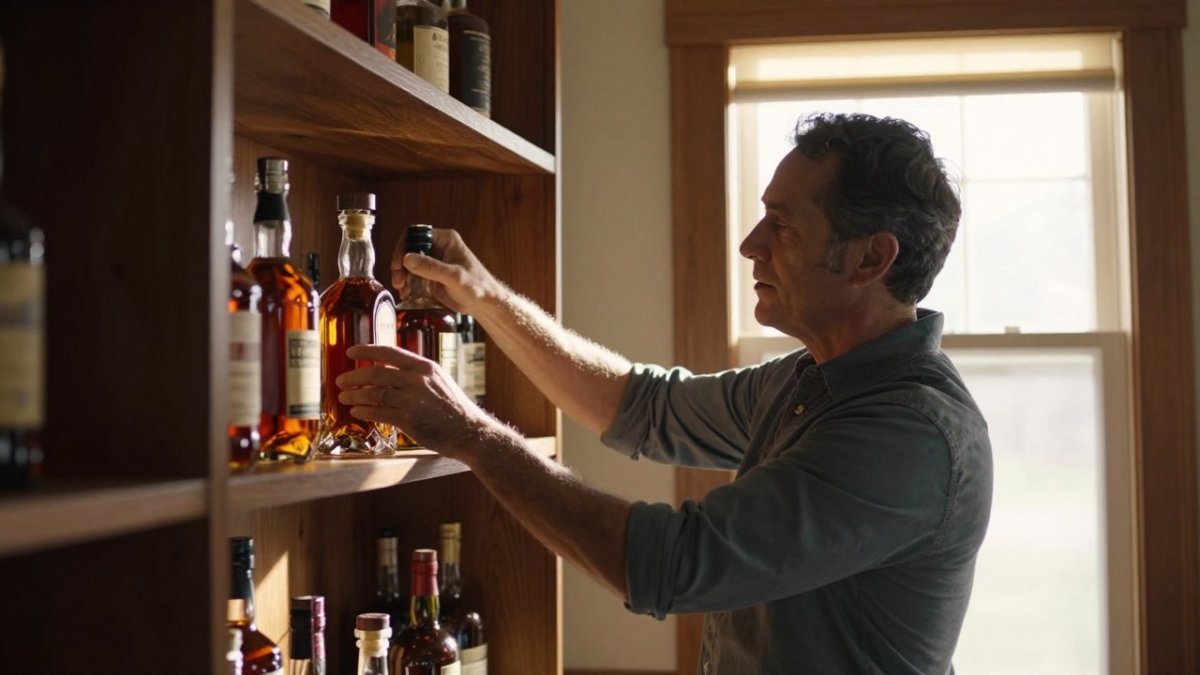
Before you liquidate bourbon collection inventory, you need to know what you actually have. Pull everything out. Count the bottles. Take photos of each label and fill level. This step separates collectors who move fast from those who waste months guessing.
Not every bottle deserves to be sold. Some bottles appreciate over time. Others sit flat. Your job is to identify which bottles have real market value and which ones are taking up shelf space.
Start by sorting into three piles:
- Keep: Bottles with sentimental value or bottles you genuinely enjoy drinking
- Sell: Bottles you've never opened, duplicates, or bottles outside your taste profile
- Evaluate: Bottles where you're unsure about condition or current value
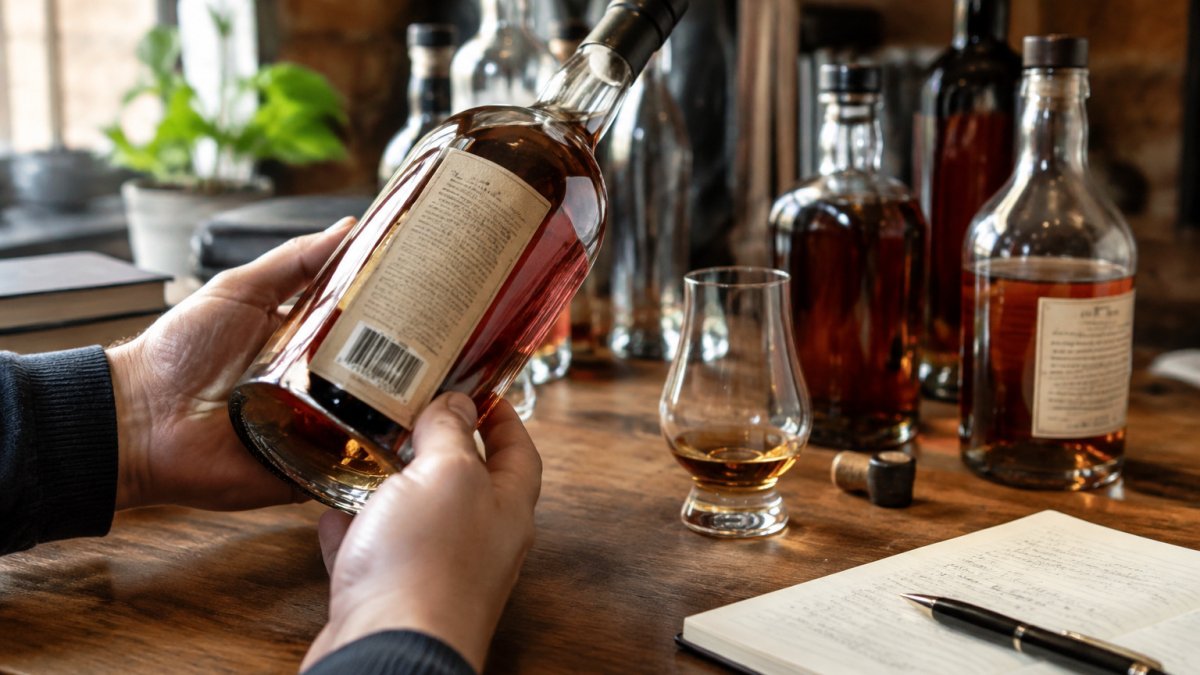
The key insight most collectors miss: condition matters more than age. A 20-year-old bottle with a low fill level and faded label sells for less than a 5-year-old bottle in pristine condition. Damaged boxes, leaking seals, or missing tax strips tank the price.
Ask yourself these questions for each bottle:
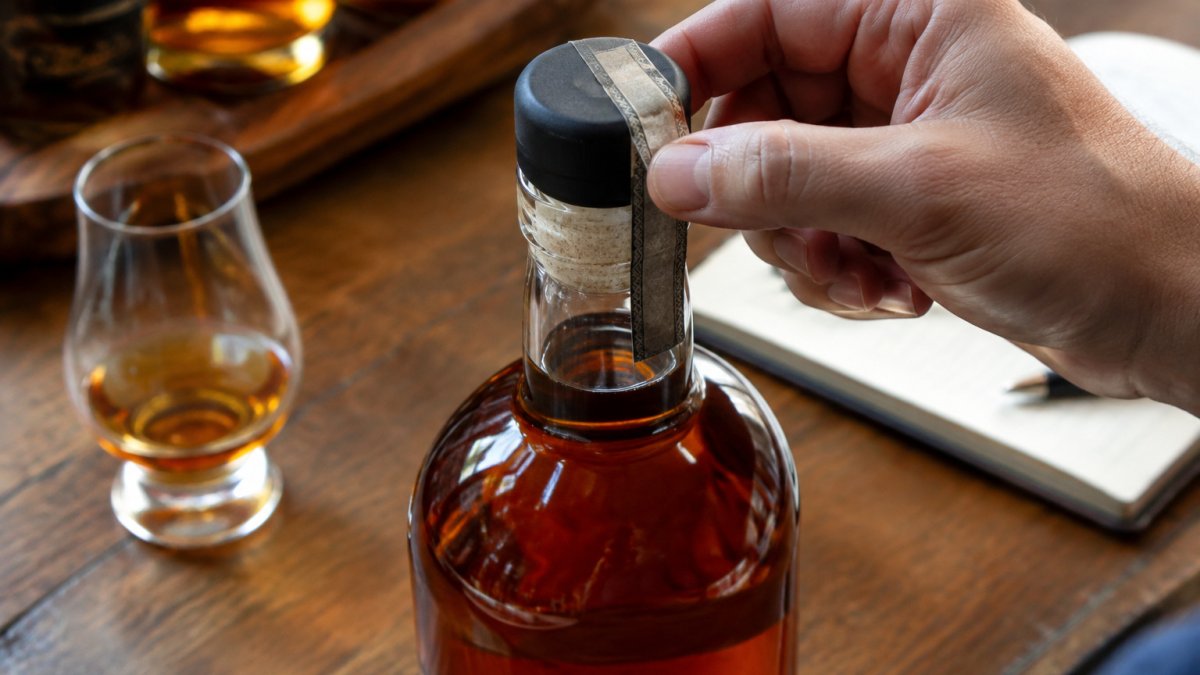
- Is the seal intact and unbroken?
- What's the fill level (measure from the bottom)?
- Are the label and box in good shape?
- Do you have the original packaging?
- Is this a limited release or allocated bourbon?
Tools like Bourbon Tracker™ help you document each bottle's condition as you sort. You can log photos, fill levels, and tasting notes all in one place without downloading anything. This creates a complete inventory you can reference later when pricing.
Step 2: How to Value a Bourbon Collection Accurately
Valuing your collection requires research. Secondary market prices differ wildly from retail prices. A bottle that cost you $60 five years ago might sell for $120 today.
Start by checking three data points for each bottle:
Retail price: What does this bottle cost new right now? Check the distillery website and major retailers.
Secondary market price: What are collectors actually paying? Check auction sites and private sales forums. This is usually higher than retail for sought-after bottles.
Your bottle's condition: A sealed, unopened bottle commands premium prices. An open bottle with half the liquid gone sells for 30-50% less.
The gap between retail and secondary market is where your opportunity lives. Limited releases and allocated bourbons appreciate fastest. Common bottles appreciate slowly or depreciate.
Here's the realistic approach: take the secondary market price and subtract 15-25%. That's closer to what a buyer will actually pay you. Sellers always overestimate what their bottles are worth.
Don't rely on one source. Check multiple platforms:
- Auction results (completed sales, not asking prices)
- Private collector forums and Facebook groups
- Specialty whiskey retailers buying collections
- Online marketplaces for spirits
Look at what sold, not what's listed. A bottle listed for $500 means nothing if no one bought it for that price. Completed auctions and closed sales tell the real story.
One critical mistake: confusing bottle age with bottle value. A 30-year-old bourbon isn't automatically worth more than a 10-year-old. Rarity, distillery reputation, and current demand matter more than age alone.
Step 3: Create a Bourbon Collection Inventory Template
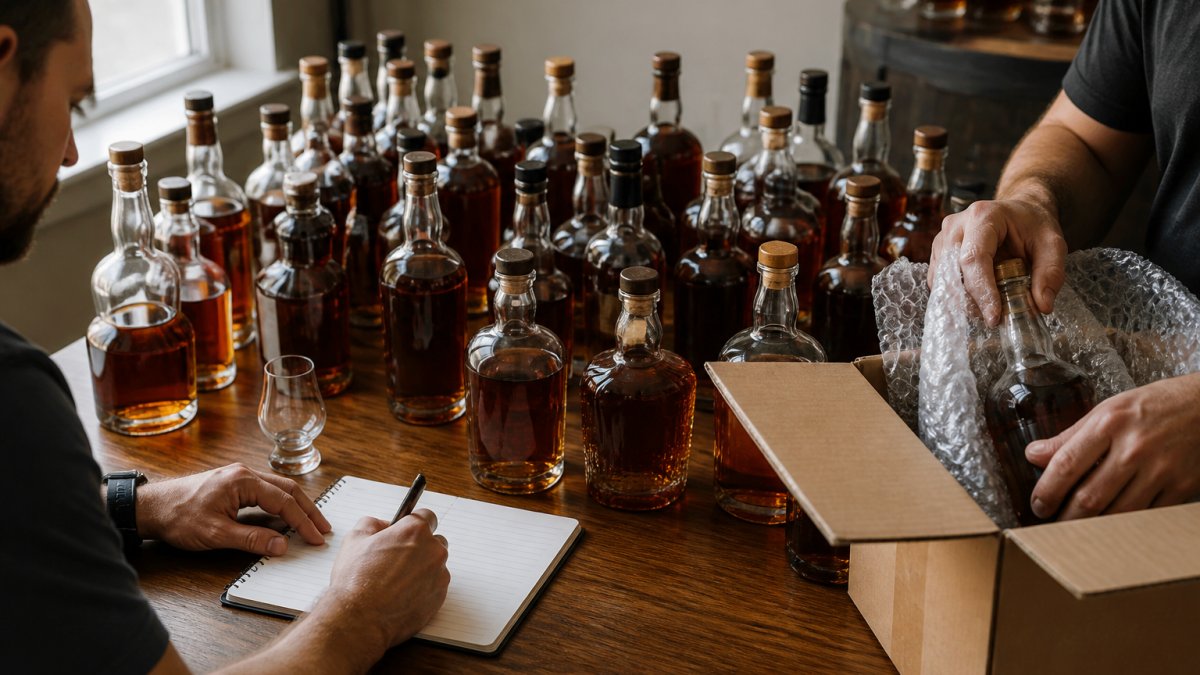
You need a system to track what you're selling. A spreadsheet works. A dedicated app works better. Either way, document everything before you start reaching out to buyers.
Your inventory should include:
- Bottle name and distillery
- Age statement (if any)
- Proof or ABV
- Bottle size (750ml, 375ml, etc.)
- Purchase price and date
- Current estimated value
- Bottle condition (sealed, opened, fill level)
- Seal integrity (intact, broken, missing)
- Tax strip status (present, faded, missing)
- Label condition (pristine, worn, damaged)
- Box condition (if original packaging exists)
- Photos of front and back label
- Notes (any defects, special editions, limited releases)
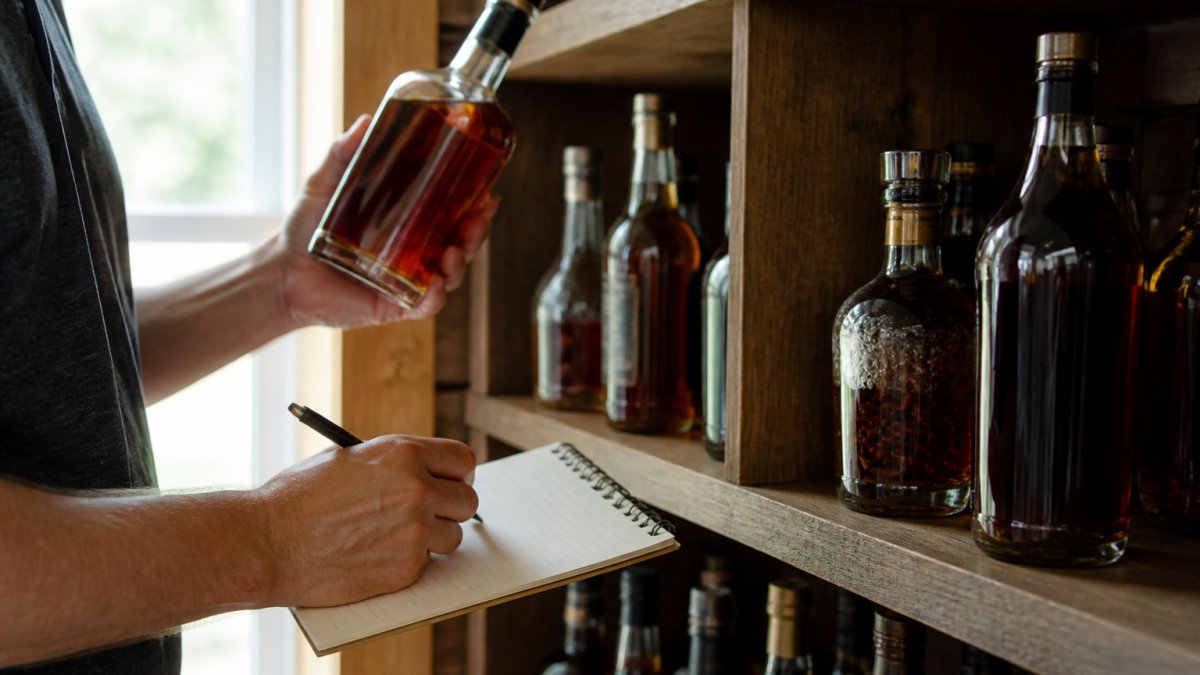
This template becomes your negotiating tool. When a buyer asks about condition, you have photos and notes ready. When you list bottles online, you copy details straight from your inventory. When you calculate total collection value, you have numbers in one place.
Bourbon Tracker™ handles this digitally. Log each bottle once, add photos and tasting notes, and your inventory syncs across devices. Everything in one searchable database.
The discipline of creating this inventory reveals patterns. You'll notice you have five bottles of the same bourbon. You'll see which distilleries dominate your collection. You'll spot the bottles that have appreciated versus the ones that haven't moved. This intelligence shapes your selling strategy.
Step 4: Where to Sell Bourbon Bottles Legally
This is where most collectors get stuck. Selling alcohol involves legal complexity that varies by state. Some states allow private sales. Others require licensed intermediaries. Some states prohibit shipping entirely.
Know your state's rules before you list anything. The penalties for violating alcohol shipping laws are steep: fines up to $10,000 and potential criminal charges.
Here are your legal options:
Licensed retailers and auction houses: These businesses hold federal permits to buy and sell spirits. They handle all compliance. You ship bottles to them, they authenticate condition, they list them, they collect payment, and they send you a check minus their commission (typically 20-35%). This is the safest route but the slowest and most expensive.
Local private sales: Many states allow you to sell bottles directly to other collectors in your state with no license required. No shipping involved. No middlemen.
Consignment with licensed dealers: You keep ownership. The dealer lists and sells your bottles for a commission. If the bottle doesn't sell within 90 days, you get it back. This splits the risk.
Auction platforms with shipping restrictions: Some auction sites operate in limited states. They verify your location and only allow sales in compliant states.
Do not ship across state lines without verifying legality. Do not list on general marketplaces like eBay or Facebook without checking if alcohol sales are permitted in your state.
Contact your state's alcohol beverage control board or consult a lawyer if you're unsure. Thirty minutes of research saves you thousands in fines.
Step 5: Price Your Bottles Realistically for the Market
Overpricing kills deals. Underpricing leaves money on the table. The goal is pricing that sells quickly without leaving cash behind.
Start with your secondary market research from Step 2. That's your ceiling. Now work backward.
If a bottle's secondary market price is $200, here's realistic pricing:
- Auction house listing: List at $160-180. The auction house takes 25-30%. You net $112-135.
- Local private sale: Ask $180-190. You keep everything. You net $180-190.
- Consignment: List at $170-185. The dealer takes 20%. You net $136-148.
The channel determines your net proceeds. A $200 bottle nets very different amounts depending on how you sell it.
Common pricing mistakes:
- Listing at secondary market prices and expecting buyers to negotiate down to fair value
- Pricing based on what you paid, not what the market pays now
- Ignoring condition and treating all bottles as equal
- Underestimating dealer commissions and fees
Buyers know the market. If your $200 bottle is listed at $220 and they can buy the same bottle elsewhere for $190, they will. Price competitively or watch your inventory sit.
For rare or allocated bottles, pricing is tighter. These bottles have fewer sellers. Demand is higher. You have more pricing power. For common bottles, price aggressively. Supply is plentiful. Buyers have options.
Test your pricing. List a few bottles at your target price. If they sell within two weeks, you priced right. If they sit for a month, drop the price by 10% and see what happens.
Step 6: Selling an Inherited Whiskey Collection
When you liquidate bourbon collection assets through inheritance, the process differs from selling your own. You may not know the bottles. You may not know their value.
The first step is the same: document everything. Get appraisals if the collection is large or valuable. Some collections contain rare bottles worth thousands each. A professional appraisal protects you legally and helps you price accurately.
Inherited collections often contain bottles the original owner bought decades ago. These bottles may be rare or out of production. They may be worth significantly more than their original purchase price.
Appraisers who specialize in spirits can authenticate bottles, verify fill levels, and estimate current market value. This costs $500-2,000 depending on collection size, but it's worth it if the collection is worth more than $10,000.
Here's the realistic timeline for an inherited collection:
- Week 1: Document and photograph every bottle
- Week 2: Get professional appraisal (if collection is large)
- Week 3-4: Research selling channels and pricing
- Week 5-8: List bottles and field inquiries
- Week 9-12: Complete sales and receive payment
If you need to liquidate faster, you'll take a discount. Auction houses and licensed dealers move fast but take larger commissions. Private sales take longer but keep more money in your pocket.
One key advantage of an inherited collection: emotional detachment. You didn't spend years collecting these bottles. You're not attached to them. This makes it easier to price realistically and sell without hesitation.
Step 7: Execute Safe Transactions and Avoid Fraud
Selling bourbon attracts scammers. Buyers try to authenticate bottles as counterfeit to negotiate prices down.
Protect yourself with these practices:
Meet locally when possible: Face-to-face transactions eliminate shipping risk, legal complexity, and fraud. You inspect the buyer. They inspect the bottle. Money and bottle exchange hands simultaneously.
Use licensed intermediaries for high-value bottles: If a bottle is worth more than $500, use an auction house or licensed dealer.
Document everything: Take photos of the bottle before sale. Take photos of the packaging.
Never ship to unknown buyers out of state: Shipping alcohol across state lines is risky legally and logistically.
Verify payment before shipping: If you must ship, use payment methods that offer buyer protection.
Avoid wire transfers and cryptocurrency: These payment methods are irreversible. If the buyer disputes the transaction, you have no recourse.
Be wary of deals that seem too good: If someone offers significantly more than market price, ask why.
Keep records: Save all communications, payment confirmations, and shipping receipts. If a legal dispute arises, documentation protects you.
The safest approach for large collections: work with a licensed dealer or auction house.
Liquidating a bourbon collection takes planning, research, and patience. Start by assessing what you have and documenting condition.
The biggest mistake collectors make is rushing. They underprice bottles to sell fast. They use unsafe channels to avoid fees.
Frequently Asked Questions
How do I estimate the value of a bourbon collection?
Start by researching recent sold listings on secondary markets like Bourbon Market or WhiskyBase. Compare your bottles' ages, rarity, and condition against similar sales. Check retail prices for unopened bottles still in production. For allocated or limited releases, look at auction results and private sale forums. Document each bottle's proof, vintage, and condition, then cross-reference against 3-5 comparable sales to establish a realistic range. Most collections vary widely in value, rare allocated bottles may command 2-5x retail, while common everyday drinkers sell at 50-70% of retail.
What legal requirements should I check before selling bourbon bottles?
Alcohol sales are heavily regulated by state and federal law. Most states prohibit direct shipment of spirits to consumers without a license, though some allow limited personal sales. Check your state's Alcoholic Beverage Control (ABC) rules, many require you to sell through licensed retailers, auction houses, or consignment services rather than privately. Federal law prohibits unlicensed individuals from shipping spirits across state lines. Selling locally to collectors or through licensed channels is safest. Document all sales and report proceeds on your tax return. When in doubt, consult your state ABC office or a tax professional before listing bottles for sale.
Should I sell my bottles individually or as a lot?
Sell rare, allocated, or collectible bottles individually, they attract serious buyers willing to pay premium prices and justify shipping costs. Group common, everyday bottles into themed lots (e.g., 'Kentucky Bourbon Bundle' or 'Wheated Bourbon Collection') to move inventory faster and reduce individual shipping fees. Lots also appeal to new collectors building their palate. Mixed-quality lots sell poorly; keep high-end bottles separate from budget options. Track which bottles generate the most interest individually, then bundle slower movers with popular ones to increase overall sale velocity.
What should I include in a bourbon inventory when selling a collection?
Document each bottle's brand name, age statement, proof, bottle size, vintage year (if applicable), fill level, seal condition, label condition, and purchase price. Add notes on rarity, allocation status, and current market value. Include photos of the label and back label for reference. Note whether the bottle is unopened, lightly opened, or partially consumed. Track storage conditions (temperature, light exposure) as these affect value. Use a simple spreadsheet or collection management tool like Bourbon Tracker to organize this data. This documentation speeds up valuation.