 ultimate-guide
How to Identify Whiskey Investment Potential
Table of Contents
- What Makes Whiskey an Investment Asset
- Best Whiskey Brands for Investment
- Evaluating Rarity, Age, and Distillery Provenance
- Authentication and Fraud Prevention
- Whiskey Investment Risks You Must Understand
- Whiskey Appraisal Tools and Valuation Methods
- Exit Strategies and Liquidity Planning
- Tax Implications and Regulatory Compliance
- Frequently Asked Questions
Last Updated: September 27, 2026
What Makes Whiskey an Investment Asset
Whiskey has evolved from a simple spirit to a tangible asset class that serious collectors and investors actively pursue. Unlike stocks or bonds, whiskey offers something tangible you can hold, taste, and appreciate over time. The appeal lies in its dual nature: it serves as both a consumable luxury good and a speculative investment vehicle with documented appreciation potential.
The whiskey market attracts investors because rare bottles and well-aged casks demonstrate consistent demand. Collectors seek specific distillery provenance, age statements, and limited releases that become harder to find as years pass. This scarcity drives value appreciation. According to Statista's spirits market analysis, the global whiskey market has experienced steady growth, with premium and rare bottles commanding significantly higher prices at auction and through private sales.
What separates whiskey from other alternative assets is its accessibility and emotional appeal. You don't need millions to start. A collection can begin with bottles under $100 and grow strategically. At Bourbon Tracker™, we help collectors organize and track their holdings while discovering new bottles that align with their personal preferences.
The key to identifying whiskey investment potential lies in understanding which bottles appreciate, which stagnate, and which carry hidden risks. Most guides overlook the practical side: how to authenticate bottles, calculate true net profit after storage and insurance, and plan realistic exit strategies. This guide covers what actually matters when evaluating whether a bottle or cask is worth your capital.
Best Whiskey Brands for Investment
Single malt Scotch whisky dominates investment portfolios. Distilleries like Macallan, Bowmore, and Highland Park have built decades of reputation and consistent demand from collectors worldwide. These brands command premium prices at auction because their bottles age predictably and hold value across economic cycles.
Bourbon offers different appeal. Kentucky straight bourbon from distilleries like Pappy Van Winkle, Buffalo Trace, and Four Roses produces limited releases that sell out quickly and appreciate rapidly in secondary markets. Japanese whisky, particularly from Yamazaki and Hibiki, has seen explosive growth as international demand surged over the past decade.
Investment-grade whiskey shares common traits. The distillery must have established provenance and a track record spanning decades. Limited production runs create scarcity. Age statements matter significantly. A 30-year-old single malt appreciates differently than a 12-year expression from the same distillery.
The critical mistake investors make is treating all bottles equally. A standard release from a major distillery may never appreciate beyond retail price. A limited bottling from the same distillery can double or triple in value within five years. The difference comes down to rarity, demand, and how the secondary market values that specific bottle.
Evaluating Rarity, Age, and Distillery Provenance
Rarity drives whiskey investment potential more than any other factor. A bottle becomes rare when production was limited, demand exceeds supply, or the distillery stopped making that expression entirely. Limited edition releases from established distilleries typically appreciate faster than standard offerings because fewer bottles entered the market.
Distillery provenance establishes credibility and demand. Collectors pay premiums for bottles from distilleries with heritage, consistent quality, and strong brand recognition. A 25-year-old single malt from an unknown distillery will never command the same price as a 25-year-old from Macallan, regardless of actual quality.
Age Statements and Bottling Details
Age statements indicate how long the whiskey matured in cask before bottling. An age statement guarantees the youngest spirit in the bottle reached that age. A 12-year-old single malt means every drop aged minimum 12 years. Older age statements typically command higher prices because extended maturation develops complexity and rarity increases as older stock depletes.
Bottling details matter as much as age. Official distillery bottlings hold more value than independent bottler releases. Cask strength expressions, limited editions, and special finishes (finished in sherry, port, or other cask types) often appreciate faster than standard releases. The specific bottling year affects value significantly. Some vintage years become collector favorites while others remain overlooked.
Single Malt vs. Blended Whiskey Investment Value
Single malt whisky, produced at one distillery from malted barley only, commands premium prices and stronger appreciation potential. Collectors view single malts as more prestigious and collectible. Blended whiskeys, combining malts and grain spirits from multiple distilleries, typically appreciate slower and attract less investment capital.
This distinction matters for your portfolio. Single malt bottles from established Scottish distilleries represent the safest whiskey investment potential. They have deep collector bases, regular auction activity, and documented price histories. Blended whiskeys can appreciate but require more specific knowledge to identify which expressions will gain value.
Authentication and Fraud Prevention
Counterfeit whiskey represents a serious risk that many new investors underestimate. High-value bottles attract sophisticated forgers who replicate labels, bottles, and packaging convincingly. Authentication requires examining multiple details simultaneously.
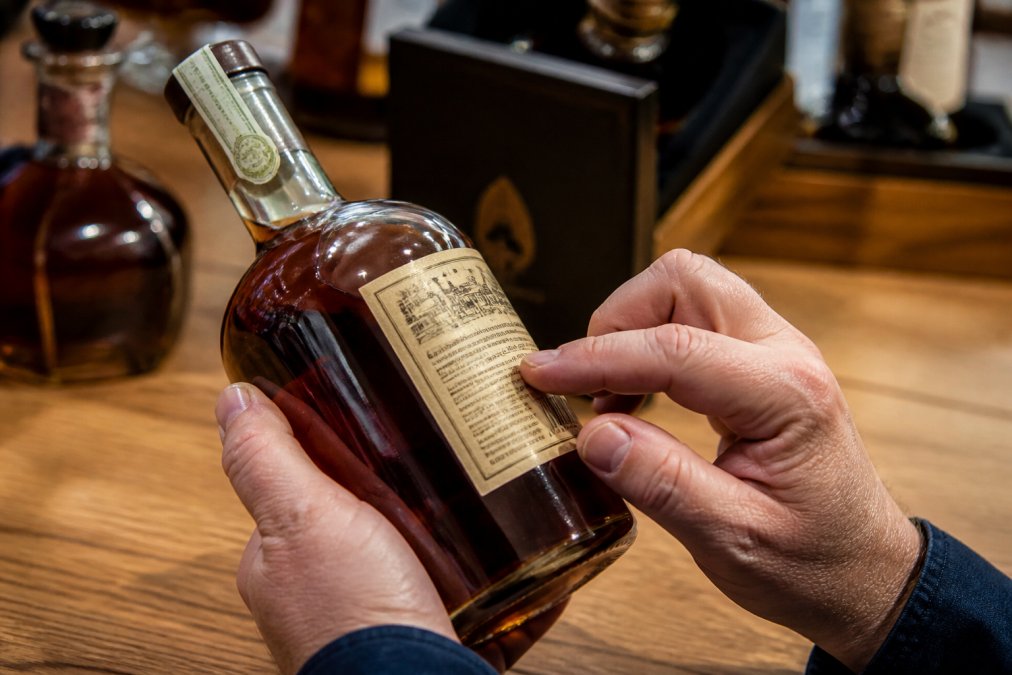
Start with the bottle itself. Legitimate distillery bottles have consistent glass quality, proper weight, and accurate label printing. Examine the label under magnification. Official bottlings feature sharp printing, correct fonts, and consistent spacing. Counterfeit labels often show slight misalignments, color variations, or fuzzy printing under magnification.
The seal and capsule provide critical authentication signals. Genuine bottles have properly applied capsules with correct branding and consistent shrinkage. Examine the glass for embossed distillery marks or bottle codes. Many distilleries embed production codes into the glass that you can verify directly with the distillery.
Provenance documentation becomes essential for high-value bottles. Request purchase history, auction receipts, or certificates of authenticity when buying expensive bottles. Reputable dealers provide detailed provenance records. If a seller cannot document where the bottle came from, treat that as a major red flag.
Consider third-party authentication services for bottles exceeding $5,000 value. These services examine bottles using forensic techniques and issue authentication certificates that increase resale value. The authentication fee typically costs 2-5% of the bottle's value but protects your investment and increases buyer confidence at sale time.
Whiskey Investment Risks You Must Understand
Market volatility represents the first risk. Whiskey prices fluctuate based on collector sentiment, auction results, and broader economic conditions. A bottle worth $3,000 today might sell for $2,200 in a weak market. Unlike stocks with daily liquidity, whiskey sells infrequently, making price discovery difficult.
Storage and insurance costs erode returns significantly. Proper storage requires climate-controlled conditions maintaining 55-65°F temperature and 50-65% humidity. Professional storage facilities charge annual fees typically ranging from 1-3% of collection value. Insurance adds another 1-2% annually. Over a decade, these costs can consume 20-30% of your appreciation gains.
Liquidity risk means you cannot instantly convert bottles to cash. Selling requires finding qualified buyers, which takes time. Auction houses charge seller fees of 10-15%. Private sales might move faster but often at lower prices. Plan on 2-6 months from listing to receiving payment for most bottles.
Bottle condition directly impacts value. Ullage (the gap between liquid level and bottle top) increases over decades as whiskey evaporates. High ullage significantly reduces value. Leaking seals, damaged labels, or cracked bottles become nearly impossible to sell. Environmental damage from poor storage destroys investment potential even if the whiskey inside remains drinkable.
The authentication risk compounds with high-value bottles. Sophisticated counterfeits exist for bottles worth over $5,000. A single counterfeit bottle in your collection could cost you thousands when discovered. This makes provenance documentation and third-party authentication essential for expensive bottles.
Whiskey Appraisal Tools and Valuation Methods
Professional appraisers specializing in spirits provide the most reliable valuations. They examine bottles, verify provenance, assess condition, and compare recent auction results for comparable bottles. Appraisals typically cost $100-$500 per bottle but provide documentation needed for insurance and estate planning.
Auction house estimates offer another valuation reference point. Major auction houses publish estimates and realized prices for bottles they sell. These provide real market data showing what collectors actually paid. Track auction results for bottles similar to yours to establish realistic value ranges.
Whiskey index databases compile price data across multiple sales channels. These tools track price trends for common investment bottles, showing appreciation over time. They cannot value every bottle (especially limited releases), but they provide benchmarks for standard expressions and help you understand market direction.
Calculate your whiskey investment potential by comparing purchase price plus cumulative storage and insurance costs against current market value. Many investors overlook total cost of ownership. A bottle purchased for $2,000 that appreciated to $3,500 might show only $1,500 profit after accounting for five years of storage ($500) and insurance ($300).
Exit Strategies and Liquidity Planning
Planning your exit strategy before purchasing bottles determines whether you achieve investment success. Without a clear exit plan, you hold bottles indefinitely, accumulating storage costs while market conditions change.
Auction houses provide the most transparent exit path for valuable bottles.
Tax Implications and Regulatory Compliance
Capital gains tax applies to whiskey investment profits. When you sell a bottle for more than you paid, the difference constitutes capital gains subject to federal taxation. Long-term capital gains rates apply if you held the bottle over one year, typically resulting in lower tax rates than short-term gains.
Frequently Asked Questions
Is whiskey a good investment right now?
Whiskey can be a viable alternative asset for portfolio diversification, but success depends on careful selection and authentication. Rare, well-documented bottles from established distilleries have shown appreciation over time, though market volatility exists. The secondary market for collectible spirits has grown, but returns are not guaranteed. Due diligence on provenance, storage conditions, and exit strategy is essential before committing capital.
What whiskey investment risks should I be aware of?
Key risks include fraud and counterfeit bottles, storage and insurance costs that erode net returns, market volatility and illiquidity on the secondary market, and changing tax regulations. Authentication failures can result in total loss of capital. Additionally, the whisky index and auction house prices fluctuate based on collector demand rather than intrinsic value. Always account for storage fees and insurance when calculating annualized return expectations.
How do I use whiskey appraisal tools to evaluate a bottle?
Whiskey appraisal tools assess bottling details, distillery provenance, rarity, and comparable auction sales. Cross-reference age statement, cask maturation history, and any limited-edition or discontinued status. Compare recent private treaty sales and auction results for identical or similar bottles. Factor in condition, provenance documentation, and storage history. Use multiple sources to triangulate fair market value rather than relying on a single tool or estimate.
What makes certain whiskey brands better for investment?
The best whiskey brands for investment combine strong distillery provenance, consistent appreciation history, and robust secondary market demand. Established Scottish single malts, rare Japanese whiskeys, and limited-release bourbons typically command higher valuations. Brands with documented scarcity, discontinued expressions, and strong collector followings show better liquidity. However, authentication risk and storage costs apply equally. Research historical performance data and auction trends before selecting brands for your portfolio.