 How-to
How Does Bourbon Bottle Consignment Selling Work?
Last Updated: November 17, 2026
Quick Summary
Bourbon consignment is a process where a licensed seller takes your bottles, lists them for sale, and pays you after the sale closes. You send photos and bottle details, the seller appraises condition and provenance, you sign terms, then ship the bottle insured for its full appraised value. Payout is often net 15 to net 30 after the sale closes, minus agreed fees.
- Consignment suits single rare bottles or small collections, while auctions fit entire collections.
- Appraisers check release and year, fill level, seal, label condition, and original packaging.
- Your payout is the final sale price minus commission, then shipping, insurance, storage, and relisting costs.
- Listing takes one to four weeks, and payout is often net 15 to net 30 after the sale closes.
- Verify the seller's license, get fees and unsold-bottle terms in writing, and insure shipments for full appraised value.
Table of Contents
- Why Consignment Beats DIY for Most Bourbon Sellers
- Consignment vs. Auction vs. Private Sale: Which Route Fits Your Bottles
- Bourbon Bottle Valuation: What Your Collection Is Really Worth
- Bourbon Bottle Condition and Provenance: Passing the Eligibility Check
- Bourbon Consignment Fees and How Your Payout Is Calculated
- Where to Sell Bourbon Online: Vetting Licensed Sellers and Avoiding Scams
- The Consignment Timeline: From First Inquiry to Payout
- Log Your Collection Before You Consign It
- Frequently Asked Questions
Why Consignment Beats DIY for Most Bourbon Sellers
Bourbon consignment is a route where a licensed seller takes your bottles, lists them for sale, and pays you after the sale closes.
Private selling of alcohol is tightly restricted in most states, and you can't simply ship a bottle to a buyer across state lines. Licensed sellers are set up to handle permits and shipping.
- Packing: a cracked seal can wipe out the value
- Shipping: carriers and state rules both apply
- Payment: chargebacks and no-shows are common
- Time: listing, answering questions, and chasing buyers takes weeks
Consignment moves that work to someone set up for it. You keep the bottle's story and the payout. They handle the rest.
Below, we'll walk through how the process generally runs and how to spot a bad operator before you hand over a bottle.
Consignment vs. Auction vs. Private Sale: Which Route Fits Your Bottles
Each route suits a different seller. The right pick depends on your timeline, your bottle count, and how much control you want over the final price.
| Route | Speed | Price Control | Effort | Best For |
|---|---|---|---|---|
| Consignment | Moderate | Medium | Low | Single rare bottles or small collections |
| Auction | Slow | Low | Low | Entire collections, competitive bidding |
| Private sale | Fast | High | High | Sellers with a buyer already lined up |
Consignment means a licensed retailer or broker sells on your behalf for an agreed cut. It's generally less work than selling alone.
Auction puts your bottle in front of many bidders at once. A rare bottle can outperform expectations. But you set no price, and timing is fixed.
Private sale is you and a buyer, direct. You set the price and keep the most, but legal exposure and legwork are the catch.
Bourbon Bottle Valuation: What Your Collection Is Really Worth
Valuation is where sellers lose the most money through bad expectations. A bottle is worth what a licensed buyer will pay, not what a forum thread says.
Three things generally set a bottle's value:
- Secondary market prices for that exact release and year
- Fill level (a low shoulder fill cuts value fast)
- Condition of the label, capsule, and box
What Appraisers Look At First
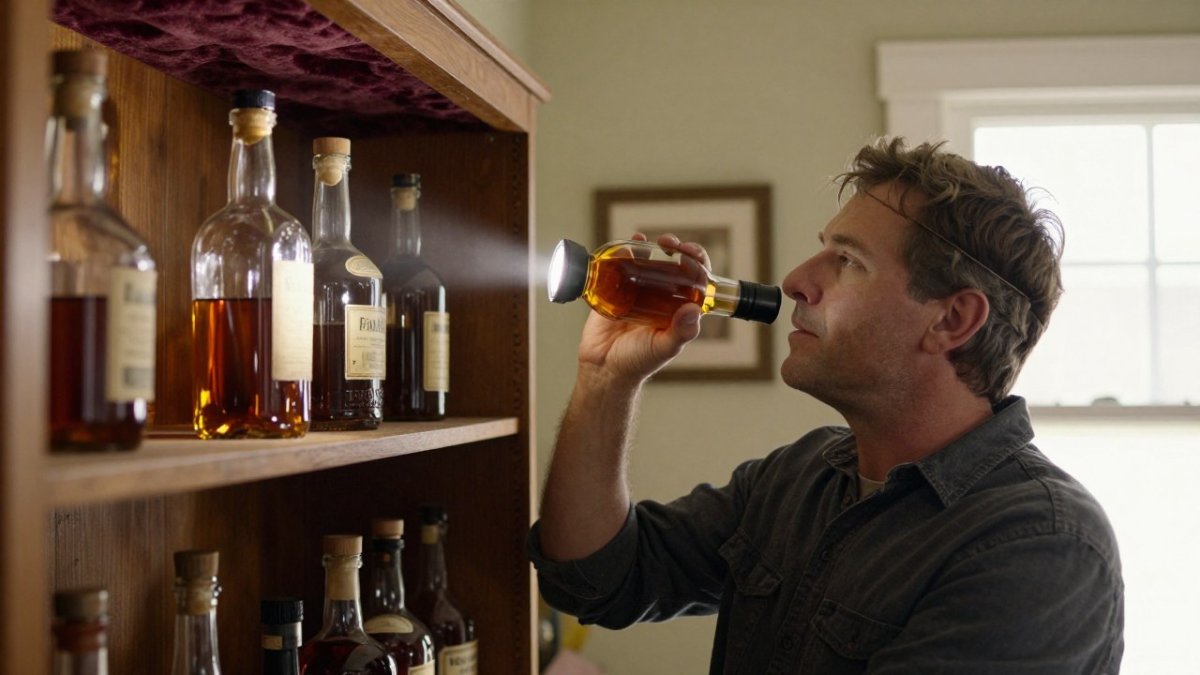
Appraisers generally start with the bottle's identity, then its condition, checking the release and year, fill level, seal and capsule, label condition, and original packaging.
Ask for any estimate in writing, with the reasoning behind it.
Bourbon Bottle Condition and Provenance: Passing the Eligibility Check
Most consignment deals fall apart on two words: condition and provenance. Provenance means the documented history of a bottle, from where it was bought to how it was stored.
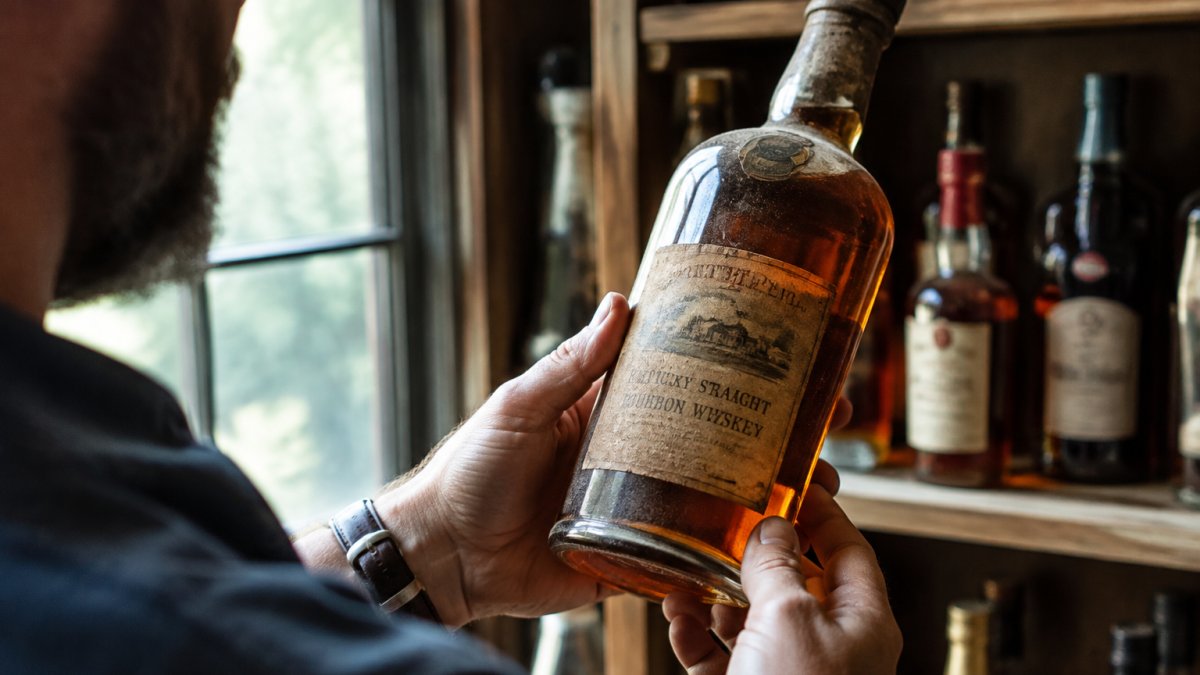
Sellers assume a rare bottle sells itself. It doesn't. A licensed buyer needs to know the bottle is real and intact before it goes to market.
What helps your case:
- Purchase records. Receipts, order confirmations, or store history
- Photos of the seal. Clear shots from several angles
- Storage details. Cool, dark, upright storage is the standard
- Original packaging. Box, tube, or tissue wrap
If you're checking whether a seal is genuinely intact, read our guide on spotting a whiskey bottle seal that is actually intact. And if you need a simple way to document where each bottle came from, our article on tracking whiskey bottle provenance walks through the method.
A bottle with no history isn't worthless. It just needs more inspection, and that can lower the offer.
Bourbon Consignment Fees and How Your Payout Is Calculated
Fees are where sellers get surprised.
Consignment deals can include a combination of charges such as commission, listing, shipping, storage, and relisting fees.
- Commission: a percentage of the final sale price, often tiered so the rate drops as the sale price rises
- Listing or photography fee: sometimes flat per bottle, sometimes waived for higher-value consignments
- Buyer's premium pass-through: in auction-style consignments, the buyer pays a premium on top of the hammer price, and the seller's commission is calculated separately
- Shipping and insurance: usually deducted from your payout, both inbound to the seller and outbound to the buyer
- Storage: a per-bottle monthly charge if the bottle sits past an agreed window
- Relisting or withdrawal: a fee if you pull the bottle or it fails to sell and you want it returned
- Payment processing: some sellers pass through card or wire fees
Your payout is simple math, but the order of operations matters.
Watch out: some contracts quote a headline commission but bury storage, relisting, and return-shipping fees in the fine print.
Payment timing is part of the fee picture. Payment timing differs from seller to seller, so confirm when the clock starts and what triggers payment.
Selling bottles also has tax consequences, and they differ from selling a barrel or a whole business. Our guide to the tax implications of selling bourbon covers what to expect.
Reserve Prices, Unsold Bottles, and Withdrawal Terms
A reserve price is the lowest offer you will accept. Set it too high and the bottle sits; set it too low and you leave money behind.
Ask these questions before you consign, and get the answers in the contract:
- What happens if my bottle does not sell? Does it return to me, relist automatically, or get discounted? Who decides?
- How many relisting attempts are included, and at what cost?
- Can I withdraw it, and is there a fee or minimum listing period?
- Who pays return shipping and insurance, and at what declared value?
- Does storage accrue while the bottle waits for a buyer or a return?
Unsold bottles can happen, especially for mid-tier releases. The problem is a contract that keeps charging you while a bottle sits.
Before you sign, ask for the fee schedule and unsold-bottle terms side by side from at least two licensed sellers. The comparison usually reveals which offer is genuinely better once every cost is on the table.
Where to Sell Bourbon Online: Vetting Licensed Sellers and Avoiding Scams
When choosing a seller, look for a valid license, written answers to your questions, and no pressure to ship first.
Use this checklist before you hand over anything:
- They can show a current license to sell alcohol
- They put fees and payout terms in a written contract
- They give a valuation range with reasoning
- They explain what happens to unsold bottles
- They insure shipments and name who covers loss
- They never ask for payment up front to "list" your bottle
Scams often follow a pattern: they promise top dollar, ask you to ship before any agreement, or request a fee to release your payout.
Also confirm the seller can legally handle interstate shipping, since rules vary by state.
The Consignment Timeline: From First Inquiry to Payout
Consignment sales generally follow a similar path, though timelines vary with the bottle and buyer demand.
- First inquiry (day 0). You send photos and basic bottle details: release, year, fill level, seal condition, label condition, and any packaging. Clear photos from several angles speed this up. Ask the seller for their intake checklist so you send everything at once.
- Appraisal (typically a few business days to two weeks). The seller reviews condition and provenance and gives a valuation range with reasoning. This is your decision point: compare the range against a second seller's range before committing.
- Agreement (same week as appraisal). You sign terms covering commission, reserve, withdrawal, unsold-bottle handling, and payout timing. Read the fee schedule against the worked example in the previous section.
- Intake (a few days to a week). You ship or deliver the bottle, insured for its full appraised value. Photograph the packed box and keep the receipt. The seller confirms receipt and condition, ideally with photos.
- Listing (one to four weeks, depending on the sales channel). The bottle goes to market with photos and details. Auction-style listings run on a fixed calendar; retail consignment may list faster but wait for the right buyer.
- Sale and processing (days to a few weeks). A buyer pays, and the seller processes the order, packs and ships the bottle, and confirms delivery. The buyer's return window, if any, runs during this stage.
- Payout (often net 15 to net 30 after the sale closes). You receive the sale price minus agreed fees. Confirm the trigger date and the payment method in advance.
Keep a record of every step, including photos before shipping and the seller's confirmation of receipt. That record protects you if a bottle arrives damaged or a payout is disputed.
Watch out: listing and payout are the stages most likely to stretch. Ask for both timelines in writing before you ship.
Shipping, Packing, and Insurance for High-Value Bottles
Packing is where high-value bottles get lost. A single drop can crack a seal and end the sale. Follow these basics:
- Wrap the bottle in bubble wrap, then foam, so it cannot move inside the box
- Use a rigid box sized to the bottle, not a loose one
- Double box for anything rare or fragile
- Insure the full appraised value and keep the receipt and tracking number
- Photograph the packed box and the sealed carton before it ships
Use a carrier that accepts alcohol shipments and confirm whether the seller's account or yours covers the label. Ask whether the seller provides a prepaid, insured label for intake, and if you ship on your own account, confirm who files a claim and who is paid.
Before you hand over a bottle, verify the seller's license, get the fee schedule and unsold-bottle terms in writing, and confirm the insurance and claims process. A clean timeline and clear paper trail separate a smooth consignment from a dispute.
Log Your Collection Before You Consign It
Before you consign anything, get your inventory in order. You can't value what you haven't catalogued.
Bourbon Tracker™ is free to use and needs no download. Track your bourbon collection with AI label scanning, community allocation drop alerts by region, release calendar for BTAC and Pappy, and market value tracking.
A clean, documented collection makes appraisal faster and negotiation easier. Start with our guide on how to liquidate a bourbon collection for the full picture, then log every bottle before you contact a seller.
Consigning a collection goes smoother when your records are already in order.
Frequently Asked Questions
Is reselling bourbon illegal?
Selling alcohol without a license is illegal in every state, and that includes private bottle sales. A workable route is consignment through a licensed seller, who sells under their own license. Some states add their own rules, so confirm the requirements where you live before you list anything. Never sell a bottle privately through social media or a forum, since that exposes both you and the buyer.
What fees do bourbon consignment sellers charge?
Consignment fees can include a commission and other charges. Ask for the full fee schedule in writing and get a net-proceeds estimate on a specific bottle, so you can see exactly what lands in your account after every deduction.
How long does it take to sell a bourbon bottle on consignment?
Timelines vary by seller and sales channel. Ask for the expected timeline from first inquiry to payout, and ask for the next sale date up front if the seller runs scheduled auctions.
What information and photos should I provide when consigning bourbon?
Send clear photos of the front and back label, the fill level, the capsule or seal, any tax stamps, and the bottle code. Note the distillery, expression, age statement, proof, bottle size, and how long you have owned it. Provenance matters too, so include original packaging, receipts, or store tags if you have them. A complete submission gets a faster and more accurate bourbon bottle valuation, and it reduces the chance of a rejected lot.