 How-to
9 Bourbon Bottle Fill Level and Oxidation Facts to Know
Last Updated: November 18, 2026
Quick Summary
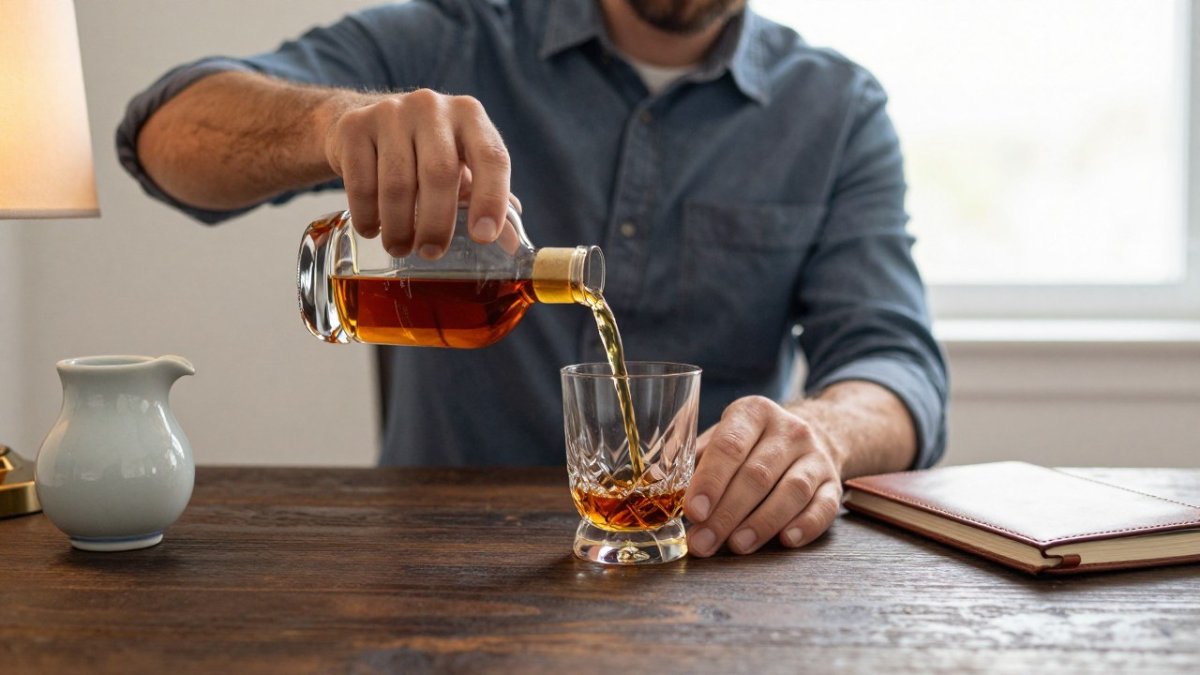
The bourbon bottle fill level and oxidation link is simple: more headspace means more oxygen contact, and oxygen slowly flattens flavor compounds. A nearly full bottle stays stable for many months to a year or more, while a near-empty bottle degrades within weeks. Higher-proof bottles resist change longer at the same fill level.
- Bright fruit and floral notes fade first, then vanilla and caramel soften or flatten.
- A sealed bottle stays stable for years; the clock starts only once you break the seal.
- Store bottles upright in a cool, dark spot and skip decanters for long-term storage.
- Transfer quarter-full or near-empty bottles into smaller containers to shrink headspace.
- Log fill level and tasting notes each pour, and flag any bottle that drops below half.
Table of Contents
- How Fill Level and Headspace Drive Bourbon Oxidation
- Does Whiskey Oxidize? What Actually Happens in the Bottle
- How Long Does Opened Bourbon Last? A Fill-Level Timeline
- Bourbon Storage Tips That Slow Oxidation
- How to Track Fill Level and Flavor Changes Over Time
- Why a Bourbon Fill Level Tracking App Keeps Your Collection Honest
- Build Your Oxidation Log in Bourbon Tracker
- Frequently Asked Questions
How Fill Level and Headspace Drive Bourbon Oxidation
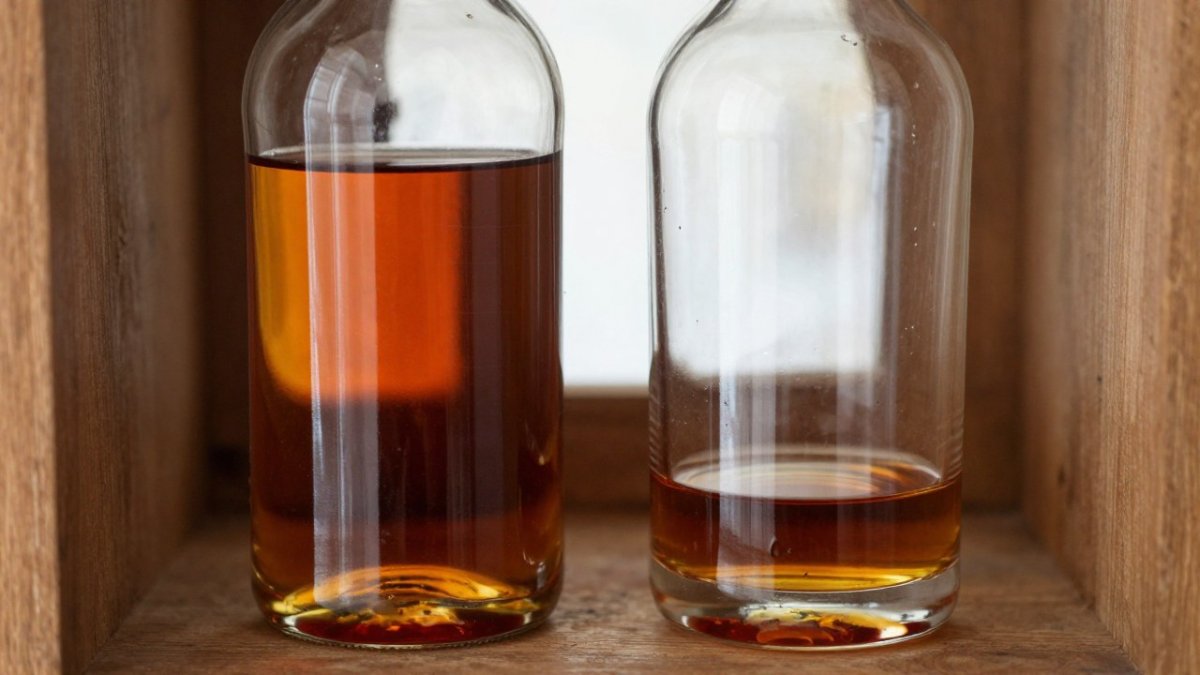
The amount of air sitting above your whiskey, not the calendar, decides how fast a bourbon bottle fill level and oxidation problem develops. More headspace means more oxygen contact, and oxygen is what slowly reshapes the flavor compounds in the liquid. This guide breaks down what actually happens inside an opened bottle, how long you realistically have, and how to slow the decline.
Here is the core idea in one line: oxidation is the chemical reaction between oxygen and the flavor compounds in whiskey, and headspace is the oxygen supply.
A nearly full bottle has little room for air. A half-full bottle has plenty. That difference matters more than most collectors expect.
What Oxidation Does to Flavor Compounds
Whiskey gets its character from volatile compounds, the aromatic and flavor molecules that rise into the air and reach your nose. Oxygen reacts with these molecules over time.
The results are usually gradual:
- Bright fruit and floral notes fade first
- Vanilla and caramel can soften or flatten
- Some bottles pick up a dull, slightly bitter edge
- High-proof pours often hold their structure longer
A common mistake is blaming every change on oxygen. In practice, heat and light do just as much damage, and they work faster.
Does Whiskey Oxidize? What Actually Happens in the Bottle
Yes, whiskey oxidizes, but slowly and unevenly. The higher the proof, the more alcohol there is to buffer the reaction. A barrel-proof pour resists change better than an 80-proof bottle with the same fill level.
Sealed bottles are a different story. With no air exchange, a sealed bottle stays stable for years. The clock only starts once you break the seal.
Oxidation vs. Evaporation, Contamination, and Cork Problems
Several different problems get lumped together as "oxidation." They are not the same, and the fix differs for each.
| Problem | What You Notice | Real Cause | Fix |
|---|---|---|---|
| Oxidation | Flavor flattens, aroma fades | Oxygen reacting with flavor compounds | Reduce headspace, drink sooner |
| Evaporation | Fill level drops on its own | Poor seal, heat, time | Check closure, store cool |
| Contamination | Off, sour, or musty smell | Airborne particles, dirty glassware | Discard if it persists |
| Cork failure | Wet cardboard taste | Cork breakdown or TCA taint | Recork or transfer the whiskey |
Watch out: a cork that crumbles into the bottle ruins the pour no matter how careful your storage is. Check closures before you blame oxygen.
How Long Does Opened Bourbon Last? A Fill-Level Timeline
How long opened bourbon lasts depends mostly on how much is left, because the ratio of headspace to liquid sets how much oxygen is available to react. A bottle that is 90 percent full has a small air pocket; a bottle that is 10 percent full has a large one, and the surface area exposed to that air stays roughly the same while the volume of liquid shielding the flavor compounds shrinks. That is why the last few pours of a bottle often taste flatter than the first few, even when the calendar gap is short.
The table below translates fill level into a practical window. Treat every range as an estimate shaped by proof, storage temperature, light exposure, and how often the bottle is opened, not as a guarantee.
| Fill Level | Approximate Remaining Volume (750 mL bottle) | Typical Window | What Is Happening |
|---|---|---|---|
| Above the shoulder (roughly 80-100%) | 600-750 mL | Many months to a year or more | Small headspace, slow oxygen exchange, flavor compounds largely protected |
| Half-full (roughly 40-60%) | 300-450 mL | Several months | Headspace has grown; aromatic top notes begin to soften first |
| Quarter-full (roughly 20-30%) | 150-225 mL | A few months | Oxygen-to-liquid ratio is high; vanilla and caramel may flatten |
| Near-empty (roughly 5-15%) | 40-110 mL | Weeks | Large headspace, frequent opening; finish and structure degrade fastest |
Approximate Remaining Volume (750 mL bottle)
A few bourbon-specific caveats matter here. Higher-proof bottles tend to hold their structure longer than lower-proof bottles at the same fill level, because the higher alcohol concentration slows some oxidative reactions. Most of what is written about whiskey oxidation generalizes across categories, so treat timelines as informed estimates rather than lab results.
Use the table as a decision tool, not a countdown clock:
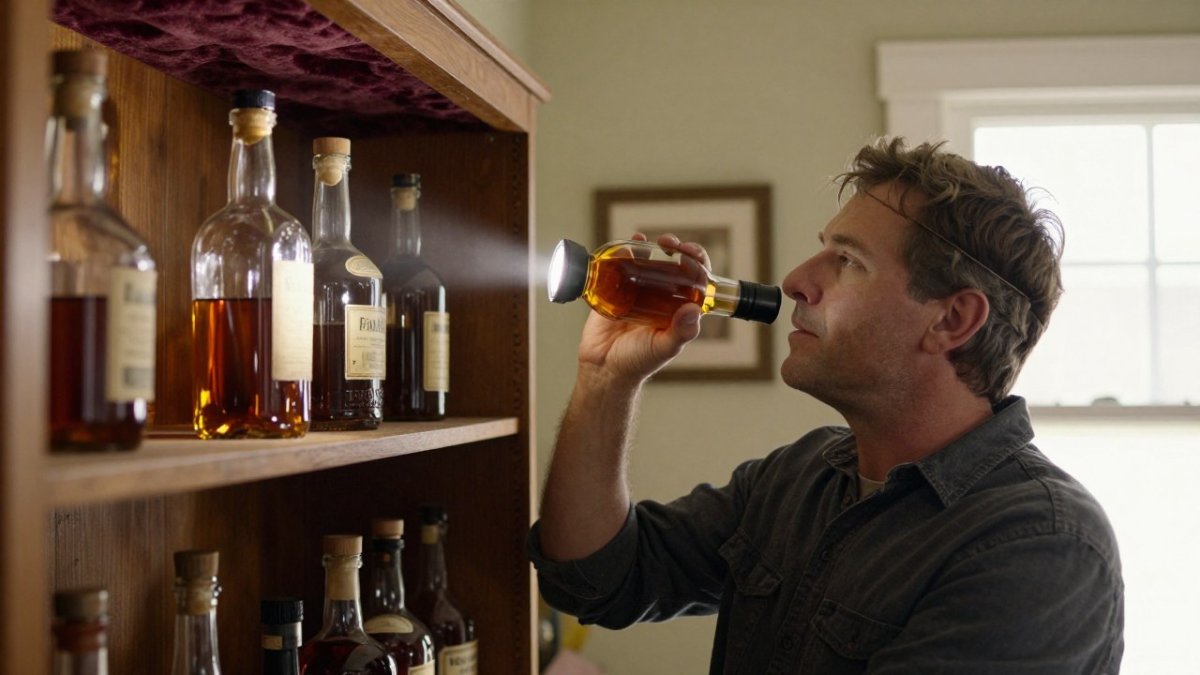
- Above the shoulder: leave it alone. No transfer needed; just store upright, cool, and dark.
- Half-full: start paying attention. Note the date and check aroma on each pour.
- Quarter-full: decide. Either plan to finish it within a few months or transfer it to a smaller bottle to shrink the headspace.
- Near-empty: finish it soon or move it into a 2-4 oz sample bottle. A near-empty 750 mL bottle is mostly air.
Fill level, not open date, is a useful predictor of how a bottle is holding up.
For a deeper look at opened-bottle shelf life, read how long bourbon lasts after opening.
Bourbon Storage Tips That Slow Oxidation
Storage conditions decide how much of that timeline you actually get. These habits matter more than any gadget.
- Store bottles upright. Lying a bottle down keeps whiskey against the cork and speeds breakdown.
- Keep it cool and steady. Heat expands the liquid and pushes vapor out. A stable, cool spot beats a warm shelf.
- Block the light. Sunlight and bright lamps degrade flavor compounds. A closed cabinet works well.
- Minimize headspace. Transfer a low bottle into a smaller container to cut air contact.
- Limit opening time. Pour, recap, and put it back. Long open sessions let in fresh oxygen.
- Skip the decanter for long-term storage. Decanters look great but seal poorly.
Some collectors use inert gas sprays to blanket the surface. It can help, but it is not a substitute for a good seal and a cool spot. For a fuller set of habits, see our guide to whiskey bottle storage best practices.
How to Track Fill Level and Flavor Changes Over Time
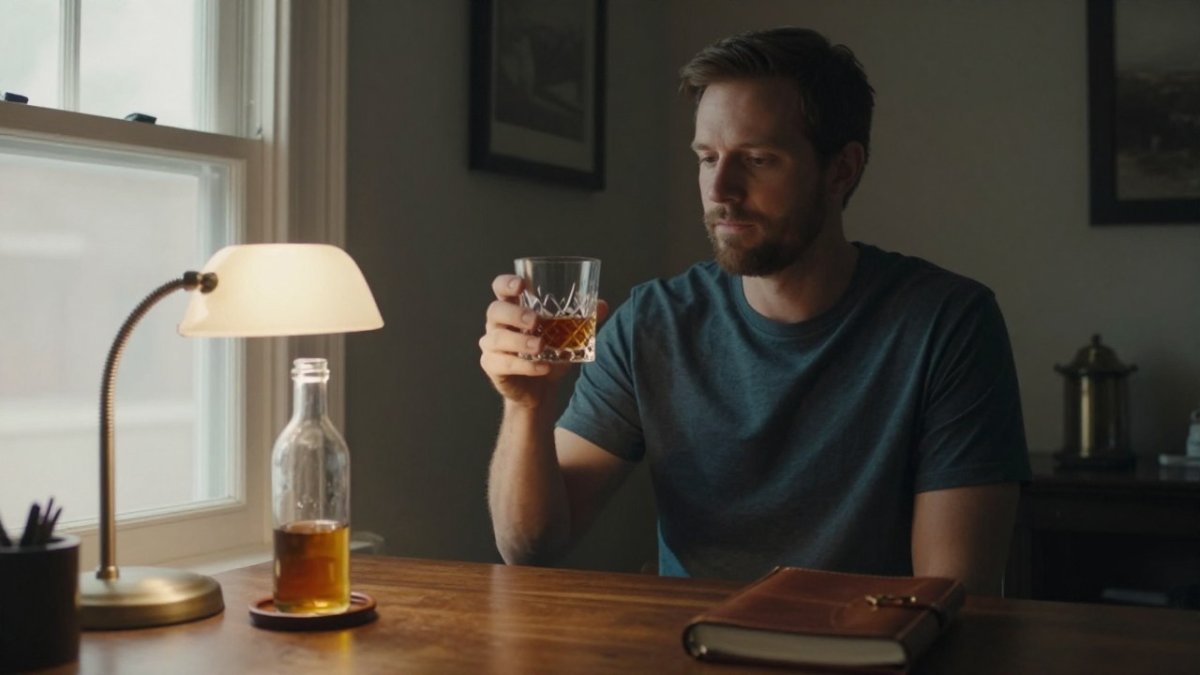
You cannot manage what you do not measure. A simple log turns guesswork into a real record of how each bottle evolves.
Here is a practical method:
- Note the fill level when you open the bottle, using a rough fraction.
- Log the date of each pour and the new level.
- Write two or three tasting notes each time: aroma, taste, finish.
- Flag any bottle that drops below half.
- Review the log monthly and mark bottles to finish first.
A common mistake is trusting memory. Palate memory fades fast, and a written note catches changes you would otherwise miss. If you want a structured way to do this, our walkthrough on tracking bourbon tasting notes covers a repeatable system.
Why a Bourbon Fill Level Tracking App Keeps Your Collection Honest
A bourbon fill level tracking app solves the memory problem at scale. Once a collection passes a few dozen bottles, no one remembers which ones are half gone or which have been open for a year.
Bourbon Tracker™ lets you log fill levels and tasting notes for every bottle, and the app keeps the history in one place.
The bigger point is honesty. A tracker shows you the real state of your shelf instead of the version you remember. That is what keeps a collection from quietly going flat. If you want to start simple, our guide on tracking bourbon bottles for free walks through the basics.
Build Your Oxidation Log in Bourbon Tracker
The best time to start an oxidation log is the day you open a bottle. The second best time is now.
Bourbon Tracker™ is free to use and needs no download, so you can start on your phone. Log a fill level, add a tasting note, and let the app handle the rest.
- AI-powered recommendations based on your palate
- Community features to share reviews and build a wishlist
- One place for every bottle, note, and fill level
Start your collection in Bourbon Tracker and give every bottle a record that outlasts your memory.
Your shelf is quietly changing whether you track it or not. Bourbon Tracker™ makes those changes visible, with free fill-level logging, organized tasting notes, and AI-powered suggestions that point you to the right bottle next. Get started with Bourbon Tracker™ and keep every pour on record.
Frequently Asked Questions
Does bourbon oxidize faster when the bottle is nearly empty?
Yes. The less liquid in the bottle, the more headspace, and more headspace means more oxygen in contact with the whiskey. A bottle at the quarter-full mark has far more air exposure than one that is three-quarters full, so flavor compounds and aroma break down faster. That is why a near-empty bottle can taste flat within weeks, while a nearly full one may stay stable for months. Tracking remaining volume helps you spot the bottles that need attention first.
Can you slow bourbon oxidation by transferring it to a smaller bottle?
Yes. Decanting into a smaller bottle reduces headspace and limits the oxygen touching the whiskey. Choose a clean glass bottle with a tight cork or screw cap, fill it close to the neck, and store it upright. This is one of the most practical bourbon storage tips for bottles you want to keep for months. Avoid plastic containers, which can transfer odors, and label the new bottle with the date you transferred it.
Does bourbon in a bottle go bad or just change flavor?
Opened bourbon rarely spoils in the food-safety sense, but it does change. Oxidation softens aroma and can mute the flavor profile, and evaporation slowly lowers the proof. A sealed bottle stored upright away from heat and light stays stable for years. Once opened, the clock starts. If a bottle tastes dull, flat, or noticeably different from your notes, oxidation or evaporation is the likely cause rather than contamination.
How does a bourbon fill level tracking app help with oxidation?
A fill level tracking app lets you log how much is left in each bottle and when you last poured. That record shows which bottles are dropping toward the quarter-full mark, so you can decant or drink them before oxidation dulls the flavor. Bourbon Tracker lets you log tasting notes alongside fill level. It is free and needs no download.