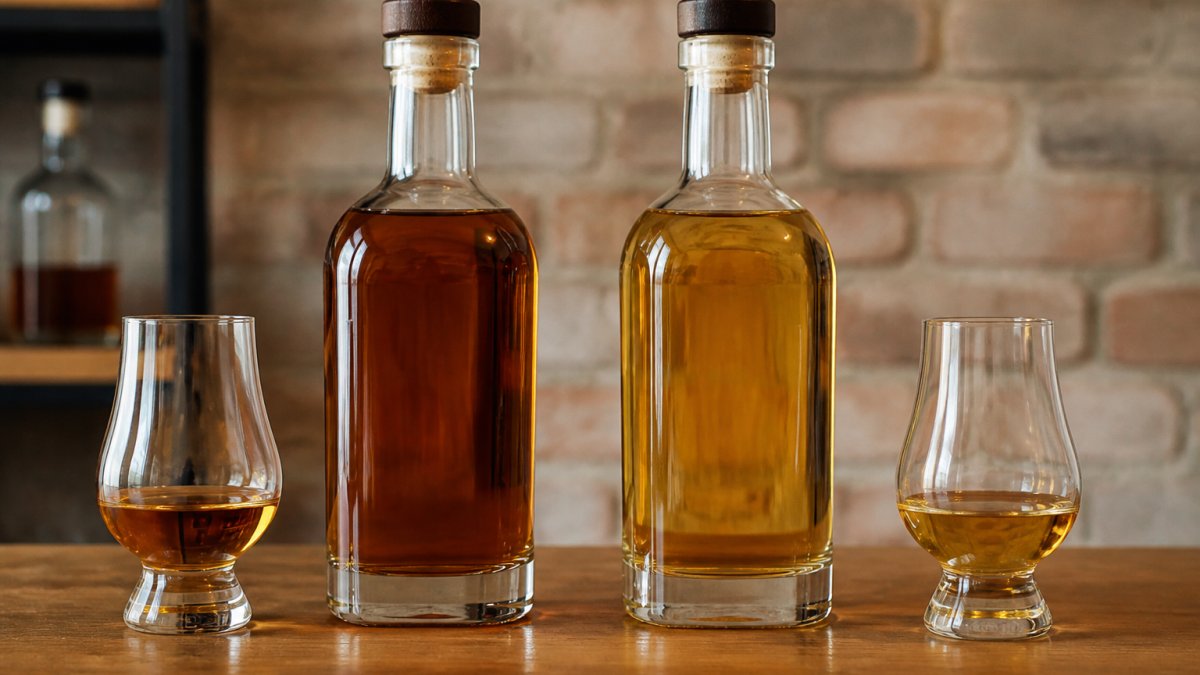
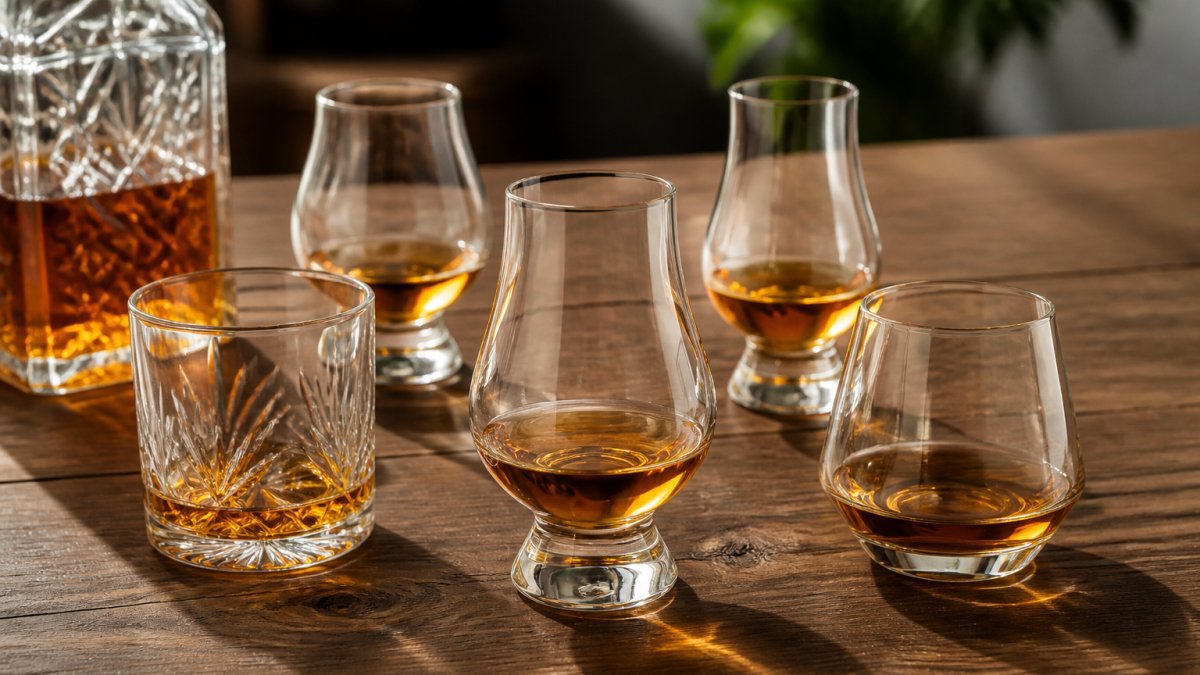
 comparison
What Are the Best Whiskey Glasses for Nosing and Tasting?
Last Updated: October 24, 2026
Quick Summary
The best whiskey glasses for nosing and tasting concentrate aroma without trapping alcohol fumes, and the Glencairn-style glass remains the most reliable starting point for most drinkers. Its tapered opening concentrates aromas while the short, sturdy base keeps it stable. Add a copita if you get serious about comparing pours.
- Keep the liquid below roughly one-quarter of the bowl's height to avoid the ethanol zone.
- Choose a rim under 1.75 inches for focused nosing and over 2.5 inches for casual sipping.
- Nose whiskey with your mouth slightly open and short sniffs rather than one deep inhale.
- Most dedicated tasting glasses are hand-wash only; hot dishwasher cycles can cloud crystal.
- A set of four basic nosing glasses usually costs less than a single premium double-walled glass.
Table of Contents
- The Best Bourbon Tasting Glasses, Compared at a Glance
- How We Evaluated These Whiskey Glasses
- Whiskey Glass Shapes for Tasting: What Each Design Does
- Glencairn vs. Copita Glass: Which Nosing Glass Wins
- How to Nose Whiskey Without Burning Your Sinuses
- Capacity, Pour Size, Cleaning, and Long-Term Durability
- Which Glass Fits Your Pour: A Use-Case Guide
- Log Your Next Tasting in Bourbon Tracker
- Frequently Asked Questions
The Best Bourbon Tasting Glasses, Compared at a Glance
The best whiskey glasses for nosing and tasting concentrate aroma without trapping alcohol fumes, and the Glencairn-style glass remains the most reliable starting point for most drinkers. Glassware changes what you actually smell and taste, not just how the pour looks on the shelf. Below, we break down the shapes worth owning, how to nose whiskey without scorching your sinuses, and which glass fits the way you actually drink.
Here's the short version before the detail:
| Glass | Shape | Best For | Nosing Strength | Care |
|---|---|---|---|---|
| Glencairn-style | Tapered tulip bowl, short base | All-purpose tasting | High | Hand wash |
| Copita | Stemmed tulip | Focused aroma work | Highest | Hand wash |
| NEAT | Flared rim, wide bowl | High-proof whiskey | Medium-high | Hand wash |
| Norlan | Double-walled tulip | Slow sipping, neat pours | Medium | Hand wash |
| Rocks glass | Wide tumbler | Ice, cocktails, casual pours | Low | Dishwasher safe |
How We Evaluated These Whiskey Glasses
We judged each glass on four things: how well it concentrates aromatic notes, how comfortable it feels in the hand, how easy it is to clean and store, and how it handles a standard pour. Shape drives the first two. A tapered rim traps rising alcohol vapors and pushes them toward your nose, while a wide mouth lets them escape. That single design choice separates a nosing glass from a tumbler.
We also weighed practical ownership. A glass you're afraid to wash or that tips over on the counter won't get used. Our picks favor designs you can live with, not just admire.
Whiskey Glass Shapes for Tasting: What Each Design Does
Glass shape controls aroma release, and aroma drives most of what you perceive as flavor. A narrow rim concentrates vapors; a wide bowl gives them room to spread. That's the whole game.
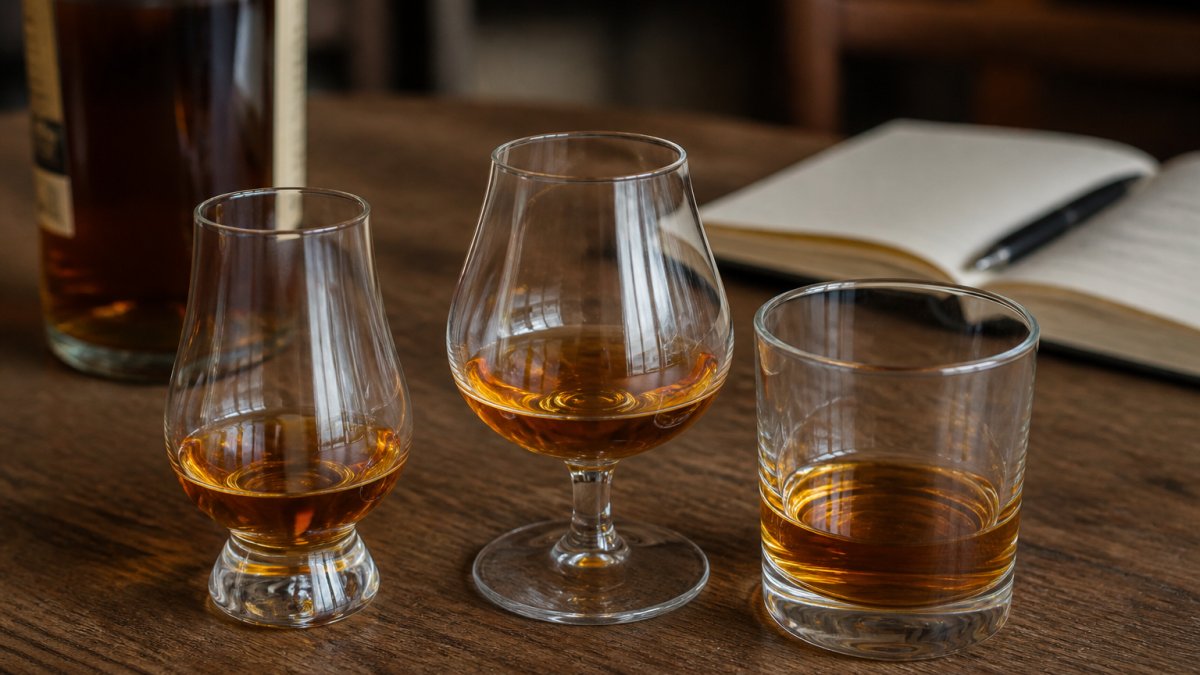
The vapor mechanics behind every nosing glass
Ethanol evaporates faster than the heavier aroma compounds that carry vanilla, oak, and fruit notes. A tapered rim does two things at once: it slows the escape of the total vapor cloud and forces it into a smaller opening, so the concentration of aroma compounds reaching your nose rises relative to the ethanol.
Bowl width matters too. A wider bowl gives the liquid more surface area, which increases total evaporation; a narrower bowl limits it.
Measurable specs by shape
Use these ranges as a shopping filter. Exact dimensions vary by maker, but the proportions are consistent across the category.
| Shape | Bowl width (approx.) | Rim diameter (approx.) | Capacity (approx.) | Typical fill for nosing |
|---|---|---|---|---|
| Glencairn-style | 2.0-2.5 in | 1.5-1.75 in | 6-7 oz | 0.5-1 oz |
| Copita | 2.0-2.25 in | 1.25-1.5 in | 5-6 oz | 0.5-0.75 oz |
| NEAT | 2.75-3.25 in | 2.5-3 in | 5-6 oz | 0.75-1 oz |
| Norlan | 2.5-2.75 in | 1.75-2 in | 6-7 oz | 0.75-1 oz |
| Rocks glass | 3-3.5 in | 3-3.5 in | 8-12 oz | 1.5-2 oz (or with ice) |
Two rules fall out of that table. First, keep the liquid below roughly one-quarter of the bowl's height, a fill that high puts your nose in the ethanol zone and flattens the aroma. Second, match rim diameter to intent: under 1.75 inches for focused nosing, over 2.5 inches for casual sipping and ice.
The Glencairn Crystal Whisky Glass
The Glencairn-style glass is the default tasting glass for good reason: its tapered opening concentrates aromas while the short, sturdy base keeps it stable. For a beginner-friendly primer on the shapes worth starting with, see our guide to essential bourbon glassware for beginners.
Best for: everyday nosing and tasting. Skip if: you want a stem for keeping your hand's heat off the bowl.
The Norlan Whisky Glass
The Norlan is a double-walled tulip design that looks striking and slows heat transfer from your hand. It's a solid alternative if you want something distinct from a traditional tasting glass. The tradeoff is that the double wall makes the nosing experience feel slightly muted compared with a thin single-wall bowl.
Best for: slow, neat sipping where you want the pour to stay cooler. Skip if: you want maximum aroma concentration.
The NEAT Glass
The NEAT glass uses a flared rim and wide bowl intended to soften harsh alcohol vapors, which helps on higher-proof pours. It's a reasonable pick if barrel-strength whiskey tends to overwhelm your nose. It's less precise than a tapered tulip for picking apart subtle aromatic notes.
Best for: high-proof whiskey and drinkers sensitive to alcohol burn. Skip if: you're doing careful side-by-side comparisons.
Glencairn vs. Copita Glass: Which Nosing Glass Wins
The copita wins on precision, while the Glencairn wins on durability and everyday use. The copita is a stemmed tulip that professional tasters favor for focused nosing, since the stem keeps your hand's heat away from the bowl and the narrow rim funnels aroma tightly.
Our call: start with a Glencairn-style glass, add a copita if you get serious about comparing pours. Neither is wrong, and owning both covers nearly every tasting scenario.
How to Nose Whiskey Without Burning Your Sinuses
Nose whiskey by keeping your mouth slightly open and bringing the glass up slowly, smelling short puffs rather than one deep inhale. If you want a deeper walkthrough, our guide on how to properly taste rare bourbon whiskey covers the full sequence.
A repeatable protocol helps:
- Pour a small, consistent amount every time
- Let the glass rest a minute so the strongest fumes settle
- Keep your mouth open and sniff in short bursts
The biggest mistake is burying your nose in the glass and inhaling hard. That numbs your senses for the rest of the pour.
Capacity, Pour Size, Cleaning, and Long-Term Durability
Pour size and cleaning habits decide whether a glass earns its place. A nosing glass holds a small pour well, typically an ounce or less, because a large volume of liquid releases more alcohol vapor and muddies the aroma. Crystal feels finer but chips more easily than tempered glass. Thin rims improve the drinking experience but demand careful handling.
Capacity and pour-size compatibility
Capacity is not the same as pour size. A 6-ounce nosing glass is designed to hold roughly 0.5 to 1 ounce of whiskey, the rest of the bowl is headspace for aroma. Overfilling past about one-quarter of the bowl height raises the ethanol concentration at the rim and buries the notes you bought the glass to find.
If you serve flights, standardize the pour. A consistent 0.75-ounce pour across every glass in a lineup is the single easiest way to make comparisons fair.
Cleaning and dishwasher safety
Most dedicated tasting glasses are hand-wash only. Hot dishwasher cycles and harsh detergents can cloud crystal and leave residue that ruins the next pour's aroma. Rinse with warm water, skip the soap when you can, and air dry rim-down.
Rocks glasses and other wide tumblers are usually dishwasher safe on a top rack, but check the maker's guidance, lead crystal and thin-walled tulips should never go in the machine.
Durability and long-term ownership
Thin rims and lead crystal deliver the best mouthfeel but chip at the rim, which is exactly where you notice it. Tempered glass and thicker bases survive counter knocks better but feel coarser on the lip. If you entertain often, buy a set of four rather than two, replacement availability varies by maker, and matching a discontinued shape later is difficult.
Value and price-per-glass context
Price tracks material and construction more than nosing performance. Basic tempered Glencairn-style glasses typically run in the low-to-mid teens per glass when bought in a set, while lead crystal and double-walled designs climb into the twenties and thirties per glass. A copita often lands in the middle. The practical takeaway: a set of four basic nosing glasses usually costs less than a single premium double-walled glass, and for most drinkers the basic set covers more tasting scenarios per dollar.
Which Glass Fits Your Pour: A Use-Case Guide
Match the glass to the moment. A dedicated nosing glass rewards careful tasting; a tumbler suits a casual pour with ice. If you're planning a lineup, a step-by-step guide on how to build a bourbon tasting flight shows how to sequence pours so the glasses do their job.
- Neat, focused tasting: Glencairn-style or copita
- Barrel-proof whiskey: NEAT glass
- Slow evening sip: Norlan
One insider note: use identical glasses when comparing pours. Switching shapes mid-tasting introduces a variable that has nothing to do with the whiskey.
Log Your Next Tasting in Bourbon Tracker
A great glass only helps if you record what you smelled and tasted. Bourbon Tracker™ is a free platform that lets you log tasting notes, build a wishlist, and get AI-powered bottle recommendations based on your palate, all with no download required. If you want a framework for keeping notes, a guide to building a whiskey tasting journal walks through it. Ready to start? Track your bourbon collection and turn every pour into data you can use.
Frequently Asked Questions
What are the best glasses for whiskey tasting?
A tapered nosing glass is the standard starting point. The Glencairn Crystal Whisky Glass is purpose-built for aroma evaluation, with a bowl and narrow opening that concentrate vapors. A copita offers a similar effect with a stem for grip and is favored for focused nosing. The Norlan Whisky Glass and NEAT Glass are solid alternatives with distinct double-walled and flared designs. A rocks glass works for casual sipping but does little to concentrate aroma. Most enthusiasts keep at least one nosing glass and one tumbler on hand.
Does the shape of a whiskey glass affect its aroma?
Yes. A narrow, tapered opening traps aromatic notes near the rim so they reach your nose in a concentrated dose. A wide, open tumbler lets those compounds disperse into the room, which mutes the nose. That is why nosing glasses are shaped like small tulips or copitas. The tradeoff is that a tight opening also concentrates alcohol vapors, so a high-proof whiskey can smell sharp. Pour a small amount and let it rest a minute before nosing.
Is a Glencairn glass better than a rocks glass for nosing?
For nosing, yes. The Glencairn's tapered opening directs aroma upward toward your nose, while a rocks glass leaves the surface wide open. A rocks glass still has a place: it holds more liquid and ice comfortably, and the wide mouth suits slow sipping. If you want to evaluate a bourbon's aromatic notes before drinking, use the Glencairn. If you want a relaxed pour over ice, reach for the tumbler. Many drinkers use both in the same session.
Can you use a wine glass to nose whiskey?
You can, and it works reasonably well. A wine glass has a bowl and tapered rim that concentrate aroma much like a copita, which is essentially a small wine glass. The main drawback is size: a full-size wine glass holds far more than the 30-60 ml pour you want for tasting, and the large surface area lets alcohol vapors build. Use a small pour, keep the glass still, and nose gently. A dedicated nosing glass gives you more control, but a wine glass is a fine stand-in.
What size glass is best for a whiskey tasting?
Look for a glass that holds roughly 150-200 ml total but that you fill with only 30-60 ml of whiskey. That small pour leaves headspace for aroma to collect without drowning your nose in alcohol vapors. Nosing glasses like the Glencairn and copita are sized for exactly this. Avoid oversized snifters for high-proof pours, since the large bowl concentrates too much vapor. If you are pouring for a group, keep each glass to a small, consistent measure so side-by-side tasting stays fair.
The right glass is only half the equation. The other half is remembering what you tasted and using it to find your next bottle. Bourbon Tracker™ handles that part with free tasting notes, a personal wishlist, and AI-powered recommendations tuned to your palate, no download needed. Get started with Bourbon Tracker™ and make every tasting count.