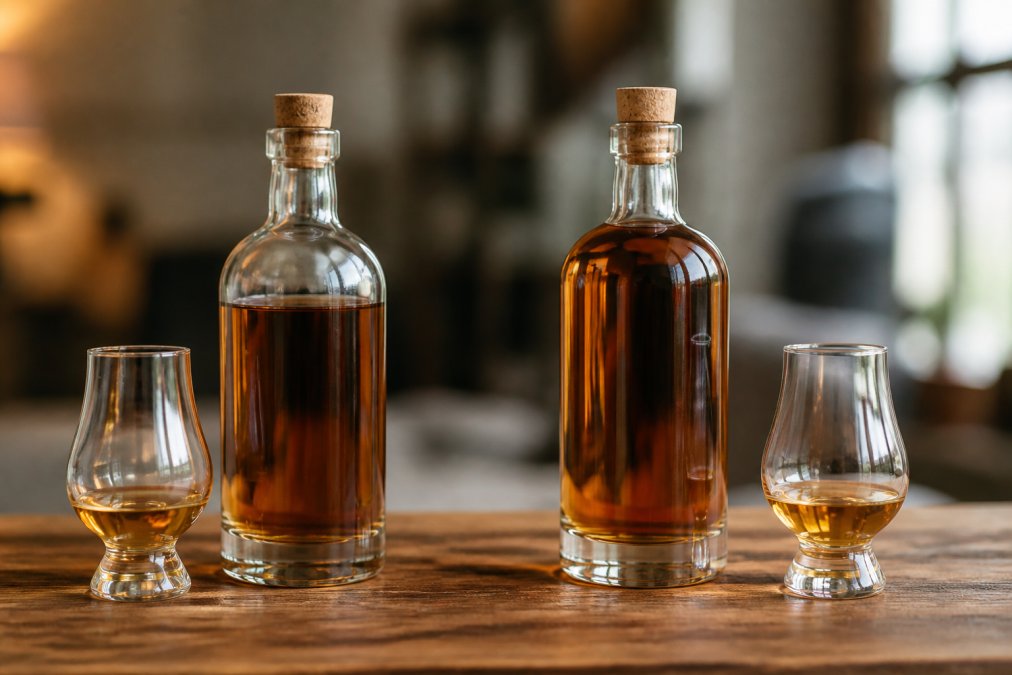
 comparison
Single Malt vs Blended Scotch: Tasting Profiles Explained
Table of Contents
- Single Malt vs Blended Scotch: Key Differences at a Glance
- What Defines Single Malt Scotch
- What Defines Blended Scotch and Blended Malt
- How to Taste Scotch Whisky: A Structured Approach
- Understanding Scotch Tasting Notes and Flavor Profiles
- Best Scotch for Beginners: Single Malt or Blended
- Production Process and Its Impact on Taste
- Regional Styles and Terroir in Scotch Tasting
- Frequently Asked Questions
Last Updated: September 25, 2026
Single Malt vs Blended Scotch: Key Differences at a Glance
Understanding single malt vs blended scotch comes down to production method, flavor complexity, and price. Single malt scotch comes from a single distillery using only malted barley, while blended scotch combines malt whisky with grain whisky from multiple sources. Understanding these distinctions helps you choose the right bottle for your palate and collection.
Understanding how single malt and blended scotch differ, in production, flavor, and price, shapes better purchasing decisions.
Comparison Table
| Category | Single Malt Scotch | Blended Scotch | Blended Malt Scotch |
|---|---|---|---|
| Source | One distillery only | Multiple distilleries | Multiple distilleries (malt only) |
| Grain Type | 100% malted barley | Malt + grain whisky mix | 100% malted barley from multiple sources |
| Flavor Profile | Complex, distillery-specific | Smooth, consistent, approachable | Varied complexity, balanced |
| Price Range | $40-$300+ | $25-$80 | $35-$150 |
| Best For | Connoisseurs, collectors | Budget-conscious drinkers, beginners | Experienced drinkers seeking variety |
| Consistency | Varies by vintage and cask | Highly consistent | Moderate consistency |
What Defines Single Malt Scotch
A single malt scotch is whisky produced at one distillery from 100% malted barley, distilled in copper pot stills, and aged in oak casks for a minimum of three years in Scotland. The term "single" refers to the distillery, not the barrel, a single malt can blend whisky from many casks within that one facility.
Distillers control peat levels, still shapes, and cask types, creating distinct character tied to their methods and location. A Speyside single malt tastes different from an Islay single malt because of regional water chemistry, peat sources, and distillery tradition.
Single malt commands higher prices for perceived quality and exclusivity. However, "single malt" doesn't automatically mean better; it means more distinctive. The category attracts serious tasters willing to pay for complexity and uniqueness.
What Defines Blended Scotch and Blended Malt
Blended scotch combines malt whisky from multiple distilleries with grain whisky, typically in a 60/40 or 70/30 ratio. The master blender tastes hundreds of casks and combines them to create a consistent, balanced product. A blender might use Speyside malt for fruitiness, Islay malt for smoke, and Highland malt for body, then balance with grain whisky to create a unified flavor profile stable from batch to batch.
Grain whisky, made from corn in column stills, contributes smoothness and neutrality, diluting strong peat flavors and making blended scotch more approachable. It's cheaper to produce than malt whisky, lowering costs. Respected brands like Johnnie Walker and Chivas Regal are engineered for consistency and value. Some premium blends ($60-$100) rival single malts in complexity because the blender's skill creates more balanced flavor than a single distillery achieves alone.
Blended malt scotch contains malt whisky from multiple distilleries but no grain whisky. It sits between single malt and blended scotch in complexity and consistency. Examples include Johnnie Walker Green Label and Compass Box Hedonism. The absence of grain whisky means blended malts retain more peat, smoke, and cask character, while multi-distillery sourcing creates balance that single malts cannot match.
Blended scotch includes grain whisky while blended malt does not. A blended malt tastes richer and more complex at the same price point, but is less consistent than blended scotch. For consumers, blended malts offer a middle ground, more distinctive than a standard blend, but more approachable than a single malt.
Blended scotch costs less because grain whisky is cheaper and allows younger casks. Blended malt costs more than blended scotch but less than single malt. Single malt commands the highest prices for perceived quality and exclusivity. Savvy consumers recognize that a well-made blended malt often delivers more balanced flavor per dollar than an entry-level single malt.
How to Taste Scotch Whisky: A Structured Approach
Tasting scotch properly reveals layers you'd miss from casual sipping. Begin by examining color, hold the glass to light and observe the hue, which tells you about cask type and age. Then nose the whisky, starting with short sniffs to avoid overwhelming your olfactory senses. Identify the primary aromas: fruit, spice, peat, wood, or floral notes depending on the expression.
Take a small sip and let it coat your mouth for a few seconds before swallowing. Notice the mouthfeel, is it light and delicate or full and oily? Identify flavors that emerge: vanilla, caramel, smoke, or citrus. The finish is equally important; some whiskies fade quickly while others leave lingering warmth or dryness.
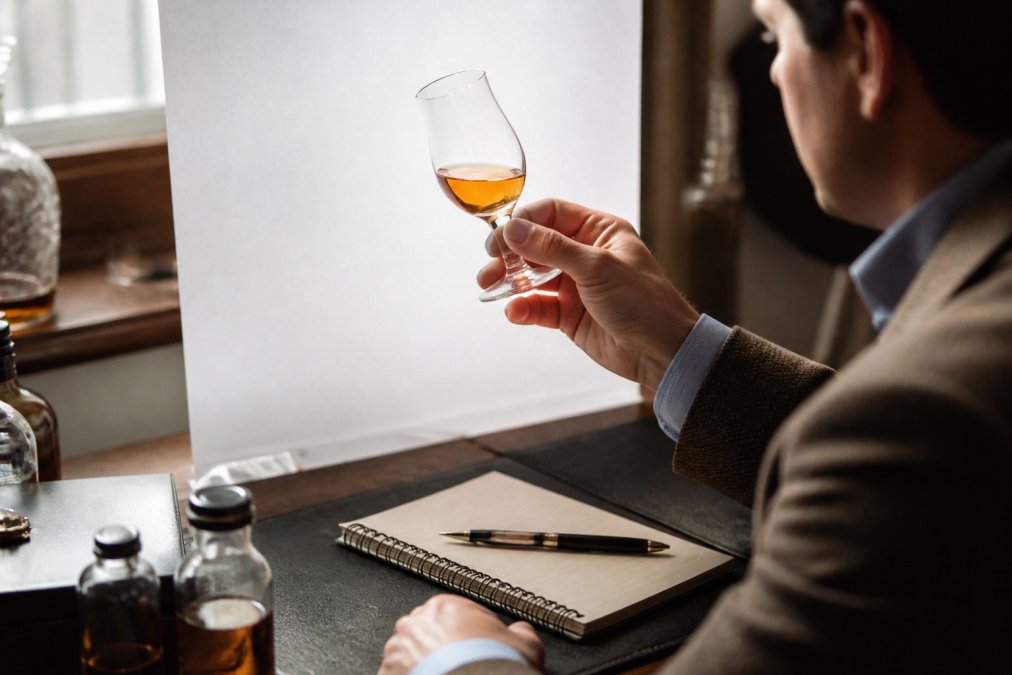
Adding a few drops of water opens up the whisky, releasing aromatic compounds trapped by alcohol. Many tasters prefer scotch neat first, then with water, to experience the full range. Keep a notebook or use Bourbon Tracker™'s tasting note feature to record your impressions, this builds a reference library that helps you identify patterns in your preferences over time.
Understanding Scotch Tasting Notes and Flavor Profiles
Tasting notes describe what you experience, not what's actually in the bottle. When a note says "peat smoke," it means your palate perceives that character, even though peat isn't literally present. The language of whisky tasting uses common reference points: fruit, spice, wood, smoke, and leather.
Single malt scotch typically shows more complex flavor profiles because the distillery's specific methods create distinctive character. An Islay single malt emphasizes peat smoke and maritime salt. A Highland single malt might show heather, honey, and dried fruit. These regional styles reflect terroir, the water, local peat, and distillery tradition combine to produce recognizable flavor families.
Blended scotch tends toward balanced, approachable profiles. You'll find notes of vanilla and caramel from bourbon casks, plus subtle fruit and spice. The smoothness comes from the grain whisky component, which softens aggressive peat or smoke flavors. This consistency makes blended scotch easier to describe and more predictable for new tasters.
The finish, what lingers after you swallow, varies significantly between single malt and blended expressions. Single malts often have longer, more complex finishes reflecting their cask strength and maturation. Blended scotch typically finishes shorter and cleaner, designed to be approachable rather than challenging.
Best Scotch for Beginners: Single Malt or Blended
Blended scotch is typically the better financial entry point for new drinkers. A quality blended scotch at the $30-$50 price point (such as Johnnie Walker Red Label, Chivas Regal 12 Year Old, or Ballantine's Finest) delivers reliable flavor and approachability without requiring significant investment. The grain whisky component smooths rough edges, making the spirit more forgiving if your palate isn't yet calibrated to detect subtle notes. You can experiment across multiple brands and styles without financial risk, building your tasting vocabulary before committing to premium single malts.
However, the economic value calculation shifts once you move beyond entry-level. A $50-$70 single malt (Glenmorangie Original, Glenfiddich 12 Year Old, or Oban 14 Year Old) often delivers more complexity and character per dollar than a blended scotch at the same price. Single malts in this range showcase genuine distillery identity without the premium markup that comes with rare or collectible expressions. Many experienced tasters find that a mid-range single malt offers better value than a premium blend, because you're paying for flavor distinctiveness rather than marketing or brand heritage.
The quality-perception gap matters here.
Production Process and Its Impact on Taste
The distillation process fundamentally shapes flavor. Copper pot stills used for malt whisky create heavier, more flavorful spirit than the column stills used for grain whisky. The copper removes sulfur compounds and encourages desirable chemical reactions, contributing to malt whisky's complexity.
Regional Styles and Terroir in Scotch Tasting
Scotland's whisky regions create distinct flavor families, though individual distilleries vary. Highland scotch tends toward honey, heather, and dried fruit. Speyside expressions often show fruity, elegant character with moderate complexity. Islay single malts emphasize peat smoke, sea salt, and iodine, polarizing but unforgettable.
Frequently Asked Questions
What are the primary flavor differences between single malt and blended scotch?
Single malt scotch typically displays more individualistic, complex flavor profiles tied to its specific distillery, cask maturation, and production methods. Blended scotch balances grain whisky's lighter, softer character with malt whisky's depth, resulting in consistency and approachability. Single malts often show pronounced regional influences, peat smoke from Islay, floral notes from Speyside, or robust grain character from Highland distilleries. Blended scotch achieves a harmonized profile where no single flavor dominates, making it accessible to beginners while still offering complexity.
How does the production process influence the final taste of scotch?
Scotch flavor depends on malted barley selection, distillation vessel type (copper pot stills vs column stills), and cask maturation duration and wood type. Pot stills create heavier, more flavorful spirits; column stills produce lighter, more neutral grain whisky. Cask choice, ex-bourbon, sherry, or wine casks, imparts vanilla, fruit, or spice notes. Chill filtration removes fatty acids that carry flavor, affecting mouthfeel and complexity. Non-chill filtered expressions retain more character. Water source, peat smoke exposure during malting, and fermentation time all contribute to the final spirit character.
Is a higher price tag always a sign of better tasting scotch?
Not necessarily. Price reflects age, rarity, brand reputation, and production costs rather than taste quality alone. A well-made blended scotch at $40 can deliver excellent flavor and consistency compared to an expensive single malt. Beginners often find more enjoyment in moderately priced bottles suited to their palate than premium expressions. Use Bourbon Tracker to log tasting notes on bottles across price ranges and identify your personal value threshold, you may discover that a $50 bottle delivers more satisfaction than a $150 one.
Can I train my palate to distinguish between different scotch styles?
Yes. Start by tasting samples side-by-side, a Highland single malt against a Speyside expression, or a blended scotch against a blended malt. Add water to open up aromatics and reveal hidden notes. Focus on aroma first, then taste, then finish. Keep organized tasting notes in Bourbon Tracker to track patterns over time. After tasting 10-15 different expressions, you'll recognize how terroir, cask maturation, and production methods shape flavor. Regular tasting builds your sensory memory and confidence in identifying complexity, mouthfeel, and regional character.