 how-to
How to Build a Bourbon Tasting Flight: Step-by-Step
Table of Contents
- Step 1: Choose a Bourbon Tasting Flight Theme
- Step 2: Decide How Many Bourbons and Your Bourbon Flight Pour Size
- Step 3: Set Your Bourbon Tasting Order
- Step 4: Gather Your Glassware and Setup
- Step 5: Use a Bourbon Tasting Notes Template
- Step 6: Serve the Flight and Taste Like You Mean It
- Common Mistakes to Avoid
- Frequently Asked Questions
Last Updated: October 21, 2026
Step 1: Choose a Bourbon Tasting Flight Theme
A bourbon tasting flight is a small, curated set of pours served side by side so you can compare them directly. The theme is what makes those pours talk to each other. Without one, you're just drinking several whiskeys in a row.
This guide from Bourbon Tracker™ walks you through building a flight that actually teaches you something about your palate. Pick a theme first, and every later decision gets easier.
Theme Ideas That Actually Work
Good themes answer one question. Bad themes just group bottles you happen to own.
- Same mash bill, different proofs. Shows how alcohol strength changes what you taste.
- One distillery, three ages. Reveals what time in the barrel does.
- Wheated versus rye. A classic side-by-side that most drinkers can taste immediately.
- Budget versus top shelf. Honest, humbling, and useful for future buying.
- Single barrel picks. Great for a group, since every bottle differs.
A common mistake is building a flight around rare bottles only. Rarity doesn't equal contrast. If all four pours taste similar, the flight fails no matter what you paid.
Step 2: Decide How Many Bourbons and Your Bourbon Flight Pour Size
Three to five bourbons is the sweet spot for a bourbon tasting flight. Beyond five, your palate tires and notes start blurring together.
Pour size matters just as much. Small pours keep you sharp and let everyone finish without overdoing it.
Pour Size Cheat Sheet
| Flight Size | Pour Per Glass | Total Bourbon | Best For |
|---|---|---|---|
| 3 bourbons | 15 ml (0.5 oz) | 45 ml (1.5 oz) | Solo tasting, note practice |
| 4 bourbons | 15 ml (0.5 oz) | 60 ml (2 oz) | Small group, themed comparison |
| 5 bourbons | 10-15 ml (0.33-0.5 oz) | 50-75 ml (1.7-2.5 oz) | Experienced tasters |
| 6+ bourbons | 10 ml (0.33 oz) | 60 ml+ (2 oz+) | Structured group events |
Keep water nearby and pour it generously between glasses. Hydration is the difference between a sharp palate at glass four and a numb one.
If you're hosting, set out a small jigger so pours stay consistent. Eyeballing leads to uneven flights, and uneven flights skew your notes.
Step 3: Set Your Bourbon Tasting Order
The standard bourbon tasting order runs from lightest to boldest: lower proof first, higher proof later, wheated before rye, younger before older. Your palate dulls as the session goes on, so save the big, high-proof pours for last.
Here's the practical sequence we recommend:
- Lowest proof, lightest body
- Wheated or low-rye expressions
- Higher-rye or spicier pours
- Cask strength and barrel proof
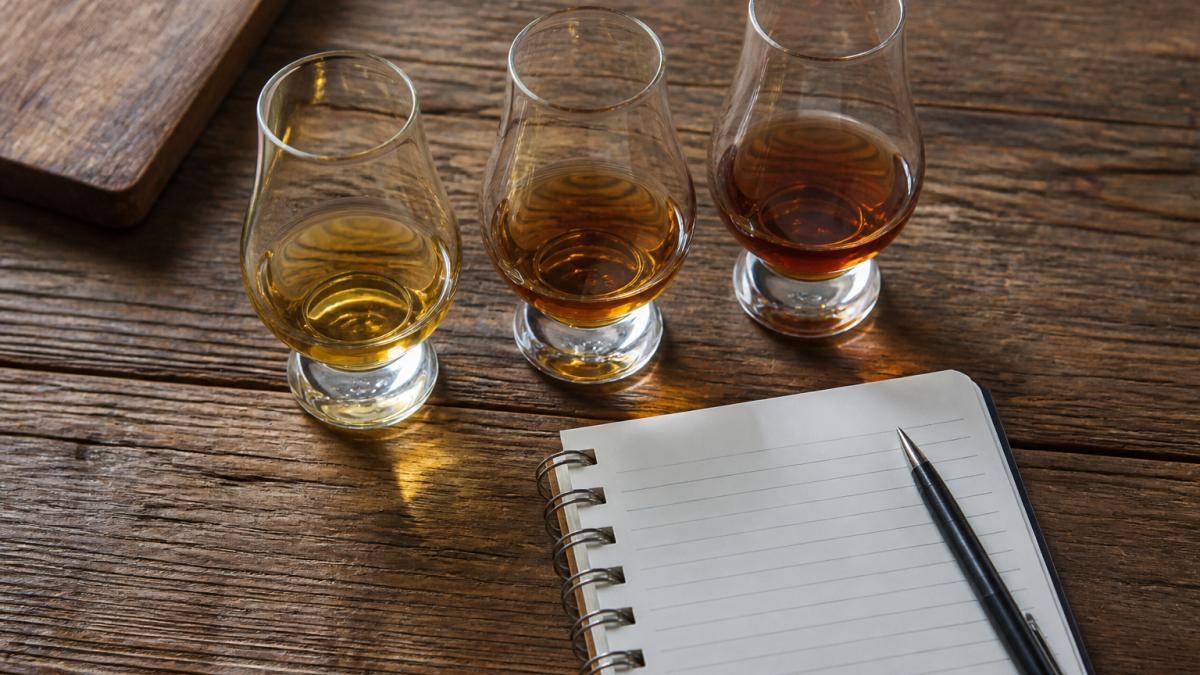
Break the rule when the theme demands it. A same-proof comparison should follow proof order within that narrow band, not jump around.
Label each glass before you pour. A strip of masking tape and a marker beats trying to remember which glass held what.
Step 4: Gather Your Glassware and Setup
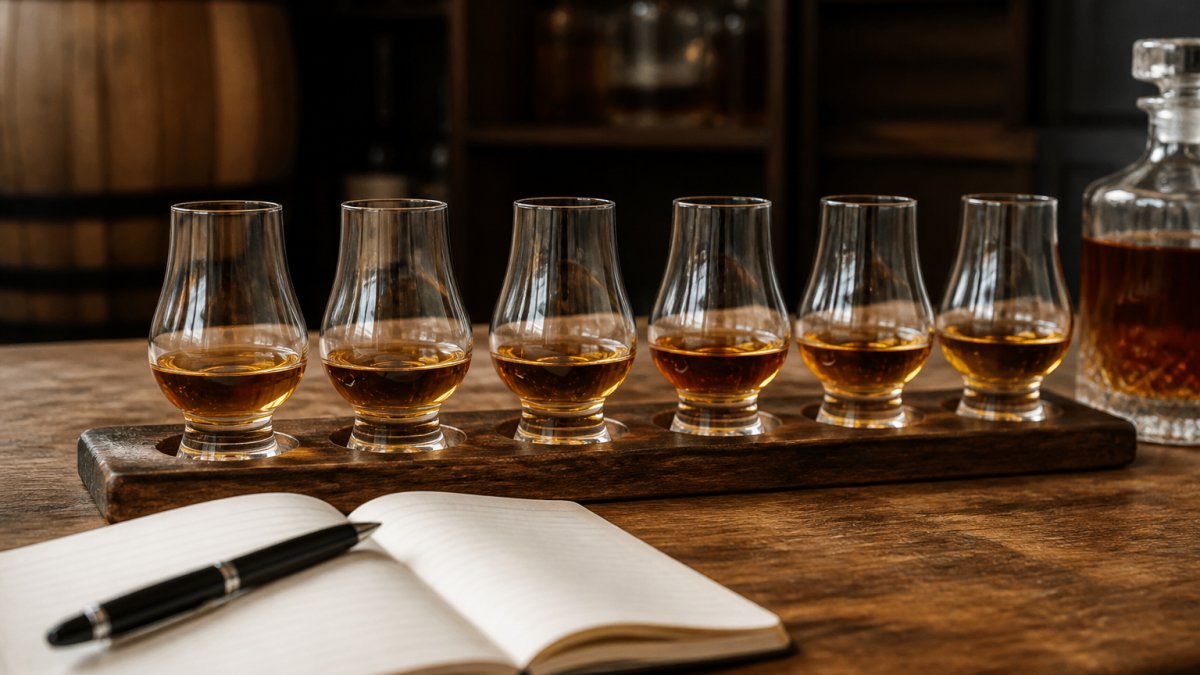
A Glencairn glass is the standard choice for a bourbon tasting flight because its tulip shape traps aroma. No Glencairns? A small snifter or even a clean wine glass works fine.
You'll also want:
- A water pitcher and small cups
- Plain crackers or bread to reset your palate
- A notebook or your phone for notes
- Good lighting, ideally natural
- A clean, scent-free room
Skip scented candles and heavy food beforehand. Both flatten your ability to pick up subtle notes.
Step 5: Use a Bourbon Tasting Notes Template
A bourbon tasting notes template is a simple form that guides you through aroma, taste, finish, and overall impression. It keeps you from writing "smooth" and calling it a day.
Here's a template you can copy:
Bottle: _______________ Proof: _______ Nose: _______________________ Palate: _______________________ Finish: _______________________ Rating (1-10): _______ Would I buy again? Y / N One word: _______________
Fill it out glass by glass, in order. Write your first impression before you read anyone else's notes.
This is where a tool like Bourbon Tracker™ earns its keep. You can log each pour, save the template fields, and keep your notes organized instead of scattered across notebooks and phone screenshots. The platform is free and runs in your browser, so there's nothing to download.
Step 6: Serve the Flight and Taste Like You Mean It
Serve your bourbon tasting flight at room temperature, in order, with a glass of water beside each pour. Then slow down.
Taste in stages:
- Nose first. Short sniffs, not deep inhales. Deep sniffs numb your nose.
- Sip small. Let it coat your tongue before you swallow.
- Add a few drops of water. This opens up high-proof pours and changes what you taste.
- Write before you sip again. Notes taken after the fact are guesses.
Between glasses, take a few minutes and a bite of cracker. Rushing is the fastest way to lose the differences you built the flight to find.
Common Mistakes to Avoid
Most flawed flights fail for the same handful of reasons. Here's what to watch for.
- Too many pours. Six-plus glasses turns tasting into drinking. Cap it at five.
- No theme. Random bottles teach you nothing about your palate.
- Wrong order. Leading with barrel proof kills your ability to taste the lighter pours after it.
- Scented surroundings. Candles, perfume, and strong food mute the nose.
- No notes. You will not remember glass three tomorrow. Write it down.
- Skipping water. Both in the glass and between glasses, it matters.
Fix those six and your flight will outperform most bar flights you've paid for.
When you're ready to track what you taste, Bourbon Tracker™ lets you log notes, build a wishlist, and get AI-powered bottle suggestions based on what you actually enjoy. It's free, requires no download, and connects you to a community of tasters working through the same bottles.
Frequently Asked Questions
How many bourbons should be in a tasting flight?
Three to five is the sweet spot. Three lets you compare without palate fatigue, four gives you room for a theme, and five is the practical ceiling for most people. Beyond five, your ability to tell bottles apart drops off and you waste good whiskey. If you want to showcase more, split into two smaller flights with a break and water in between.
How much bourbon do you pour for a tasting flight?
Pour 0.5 ounces per bourbon for a standard flight. That gives you enough to nose, sip, and revisit without over-serving. For a high-ABV barrel-proof flight, drop to 0.25 to 0.3 ounces and add water. If you are hosting a larger group, 0.5 ounces per person per bottle is a reliable rule of thumb for calculating how much you need.
What order should you taste bourbon in?
Go from lowest proof to highest, and from lightest flavor to boldest. A typical order is a low-proof wheated bourbon, then a standard rye-recipe bourbon, then a high-rye or barrel-proof expression. This keeps high-ABV pours from numbing your palate before you get to the subtle ones. Within the same proof range, taste the younger or lighter whiskey first.
What should you write down when tasting bourbon?
Use a simple template: nose, palate, finish, and a score. Note the proof, age, and mash bill if you know them. For nose, jot down the first three things you smell. For palate, note sweetness, spice, and texture. For finish, note length and what lingers. A 1-5 or 1-10 score helps you compare flights later. Logging notes in a tracker like Bourbon Tracker™ keeps them searchable.
Building a great bourbon tasting flight takes a theme, the right pour size, and honest notes. Most people skip the notes, which is why they keep buying bottles that don't fit their palate. Bourbon Tracker™ solves that with free tasting logs, a personal wishlist, and AI-powered recommendations that learn from what you rate. Track your next flight, and let your notes pick your next bottle. Get started with Bourbon Tracker™ and turn every pour into a better buying decision.