 how-to
How to Manage Bourbon Bottle Rotation
Table of Contents
- Why Bourbon Bottle Rotation Matters
- How to Organize a Bourbon Collection for Rotation
- Build a Rotation Schedule That Fits Your Collection Size
- How to Store Open Bourbon Bottles
- Track Every Bottle With a Bourbon Inventory App
- Use a Bourbon Tasting Notes Template to Spot Flavor Change
- Common Rotation Mistakes to Avoid
- Conclusion
- Frequently Asked Questions
Last Updated: October 12, 2026
Why Bourbon Bottle Rotation Matters
Bourbon bottle rotation is the practice of cycling through your open bottles on a planned schedule so each one gets poured, tasted, and finished before it goes flat. This guide from Bourbon Tracker™ breaks down a simple system anyone can run, whether you have six bottles or sixty.
Here is the part most collectors learn the hard way: an open bottle does not stay the same. The whiskey you loved on day one can taste flatter and duller a few months later. Rotation is how you stay ahead of that change.
How Air Exposure Changes an Open Bottle
Once you crack the seal, oxygen starts working on the whiskey. The liquid reacts with air in a process called oxidation, and the flavor shifts over time.
Some of that shift is good. A little air can soften harsh edges and open up aroma. Too much air does the opposite.
The speed depends on two things: how much air is in the bottle and how long it sits. A bottle that is three-quarters full has little headspace.
That is the core argument for rotation. You are not just organizing bottles. You are managing air exposure, one pour at a time.
How to Organize a Bourbon Collection for Rotation
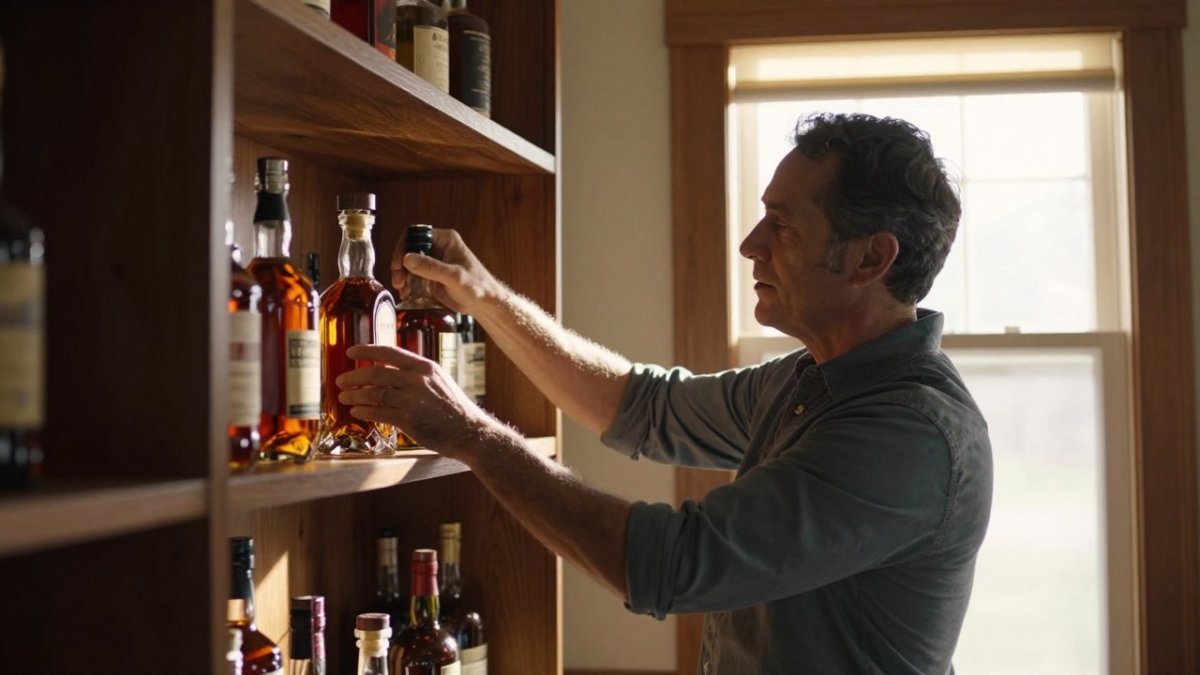
A rotation only works if you can see what you have. Start by grouping bottles in a way that makes sense for how you drink.
Most collectors sort by one of these:
- Style: bourbon, rye, wheated, high-proof
- Distillery: keeps family lines together
- Age: younger daily pours vs. older special bottles
- Fill level: what needs attention first
The last one matters most for rotation. A shelf sorted by fill level tells you at a glance which bottles are close to empty and need to move up.
For a deeper look at collection setup, our guide on [how to organize a bourbon collection] pairs well with this system.
Keep your daily drinkers at eye level. Put special bottles higher or in a cabinet.
Build a Rotation Schedule That Fits Your Collection Size
The right schedule depends on how many bottles you have open. There is no single answer, but there is a starting point for each size, and a decision process you can run in under a minute.
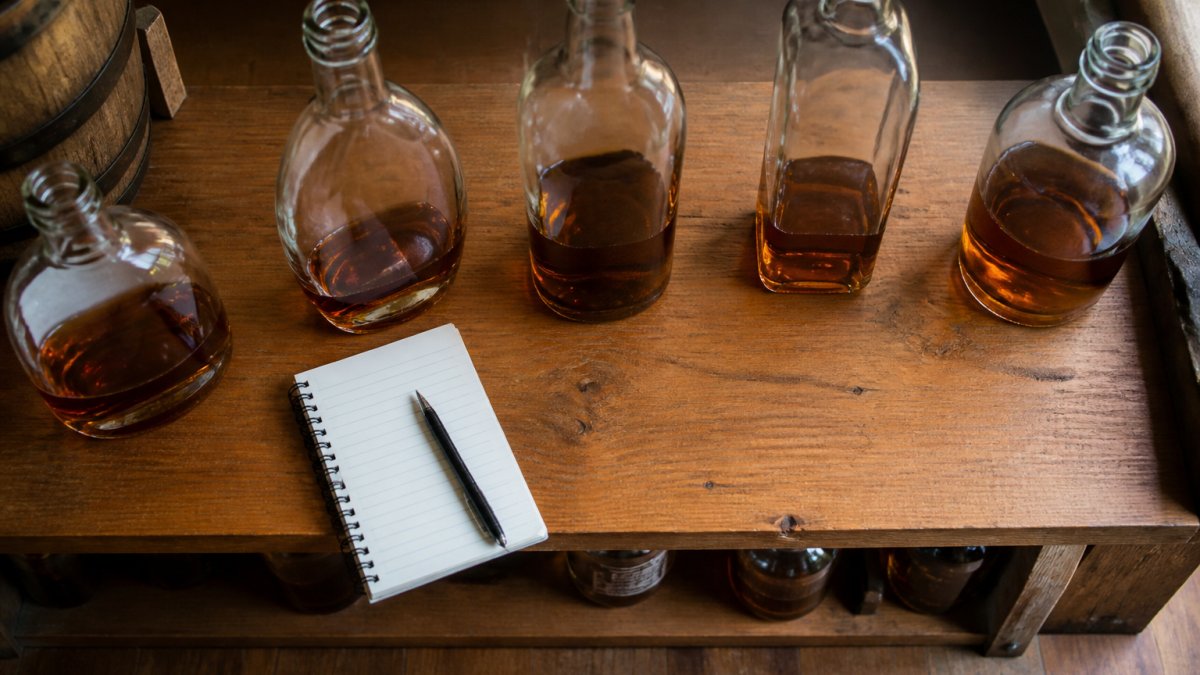
Here is a simple framework we recommend:
| Open Bottles | Rotation Cycle | Bottles Per Week |
|---|---|---|
| 1-5 | Every 2-3 weeks | All of them |
| 6-15 | Every 4-6 weeks | 3-4 |
| 16-40 | Every 2-3 months | 4-6 |
| 40+ | Quarterly sweep | 6-8 plus a full review |
The math is straightforward. More open bottles means each one gets less attention, so you need a longer cycle and a way to flag the ones at risk.
The Three-Question Pour Decision
A schedule tells you when to rotate. It does not tell you which bottle to grab tonight. Use this filter, in order, every time you pour:
- Is any bottle below 25% full? If yes, that bottle is your priority. Air exposure accelerates as headspace grows, so a low-fill bottle is the one most likely to change before you finish it. Pour it, or move the remainder to an infinity bottle.
- Has any bottle gone untouched past its cycle window? Check your open dates. A bottle that missed its last rotation gets bumped to the front.
- Is there a bottle you have not tasted in 30+ days? Pick it for a small pour and log a note. This is how you catch flavor drift early instead of discovering it at the last ounce.
If none of the three triggers fire, pour whatever you are in the mood for. The system exists to catch problems, not to dictate every glass.
Rotation Rules by Fill Level
Fill level should drive your priority list. Treat these as your rules:
- Above 75% full: low urgency, pour when you like
- 50-75% full: normal rotation, keep it in the mix
- 25-50% full: move it up, this bottle is changing
- Below 25% full: finish it soon or move it to an infinity bottle
That last rule is the one most people miss. A near-empty bottle is mostly air, and air is what flattens flavor. Either drink it down or blend the last pour into a shared infinity bottle.
A Sample Two-Week Cycle
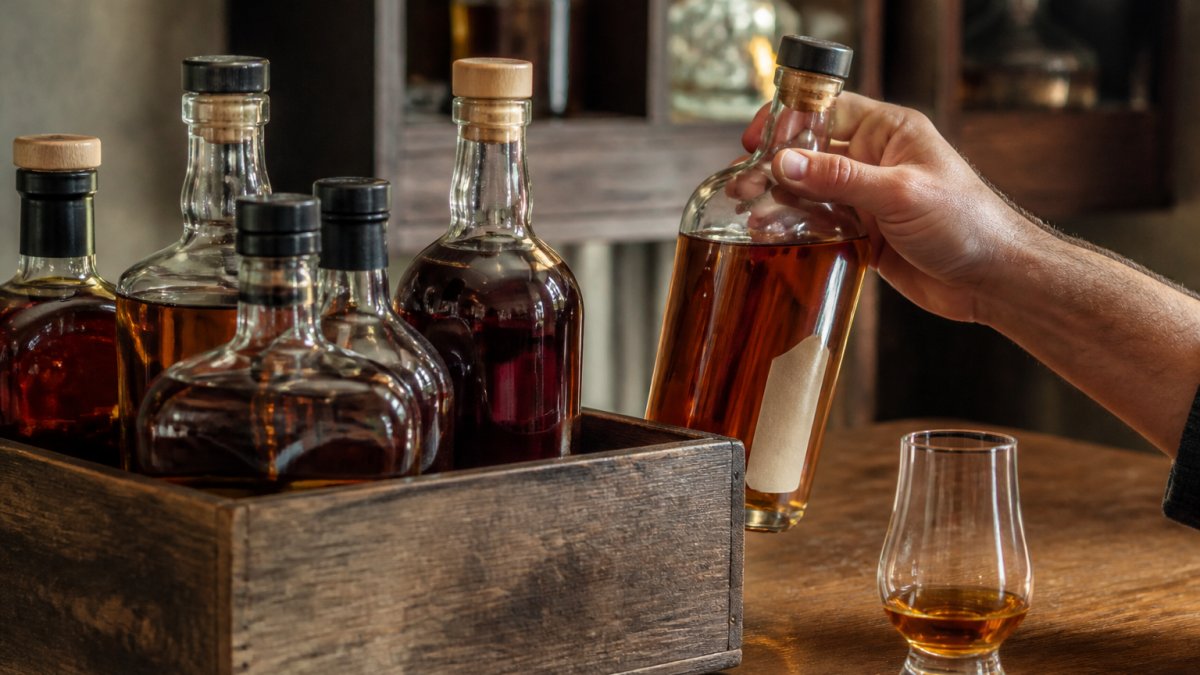
For a 10-bottle collection on a 4-6 week cycle, a workable pattern looks like this:
- Week 1: Pour the lowest-fill bottle twice; log a tasting note on one pour.
- Week 2: Pour two mid-fill bottles you have not touched in a month; log notes on both.
- Week 3: Revisit the lowest-fill bottle; if it is now below 25%, finish it or decant the remainder.
- Week 4: Free pour from high-fill bottles; no notes required.
Repeat, shifting the low-fill and neglected bottles to the front each cycle. The pattern is not sacred, the priority order is.
How to Store Open Bourbon Bottles
Good storage slows the change. You cannot stop oxidation, but you can slow it down, and the four variables that matter most are light, temperature, closure, and headspace.
Keep open bottles:
- Upright. Lying a bottle down lets high-proof whiskey eat at the cork.
- Out of direct sunlight. UV light degrades flavor and color. A dark cabinet beats a glass-front shelf every time.
- In a cool, steady spot. Big temperature swings push liquid in and out of the cork. A closet or lower cabinet holds temperature better than a counter near a window.
- Away from heat. Above a kitchen stove or near a vent is the worst place in the house.
Match Storage Effort to Fill Level
Not every open bottle deserves the same treatment. Use fill level to decide how much effort to spend:
- Above 75% full: standard storage is fine. Upright, out of light, steady temperature.
- 50-75% full: keep it in the rotation and check the closure. A loose cork lets more air in than the headspace alone would.
- 25-50% full: consider decanting into a smaller bottle to cut headspace, or plan to finish it within a few weeks.
- Below 25% full: this is the high-risk zone. Finish it, decant it, or blend the remainder into an infinity bottle. Standard storage will not save a bottle that is mostly air.
Decanting and Inert Gas
For bottles you will not touch for months, a few extra steps help.
Decanting into smaller bottles is the most reliable option. Moving the whiskey into a clean, smaller vessel reduces the air the liquid touches.
Inert gas sprays blanket the surface with a heavier-than-air gas so oxygen cannot reach the whiskey. They are convenient for bottles you open occasionally but do not want to decant.
Both approaches reduce the air the whiskey touches. Neither reverses change that has already happened.
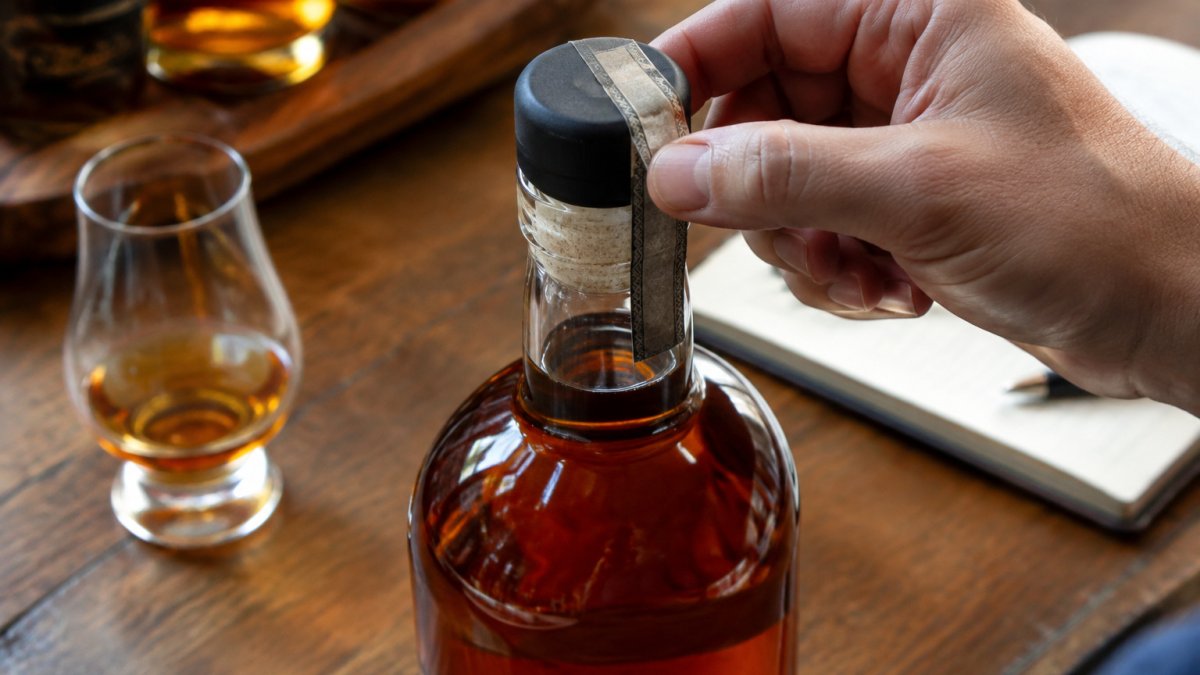
Closure and Seal Checks
A cork that no longer seals is a slow leak of flavor. Check it when you rotate:
- Does the cork sit flush, or does it spin loosely?
- Is the cork dry, cracked, or crumbly?
- Does the bottle smell strongly of whiskey when closed?
If any of those are true, the bottle is breathing more than it should. Finish it sooner, decant it, or replace the closure with a tight-fitting stopper.
Our full guide on [how to store open bourbon bottles] covers decanting and gas options in more detail.
Track Every Bottle With a Bourbon Inventory App
You cannot rotate what you cannot track. A bourbon inventory app solves that problem in one place.
Paper notes work until your collection grows. Then you forget which bottle you opened in March, or which one is down to its last pour. An app keeps that history for you.
Bourbon Tracker™ is a free, no-download platform built for exactly this. You can:
- Log every bottle with fill level and open date
- Keep organized tasting notes and reviews
- Manage a personal wishlist
- Get AI-powered recommendations based on your palate
Because it runs in your browser, there is nothing to install. You can update a bottle from your phone while standing at the shelf.
Use a Bourbon Tasting Notes Template to Spot Flavor Change
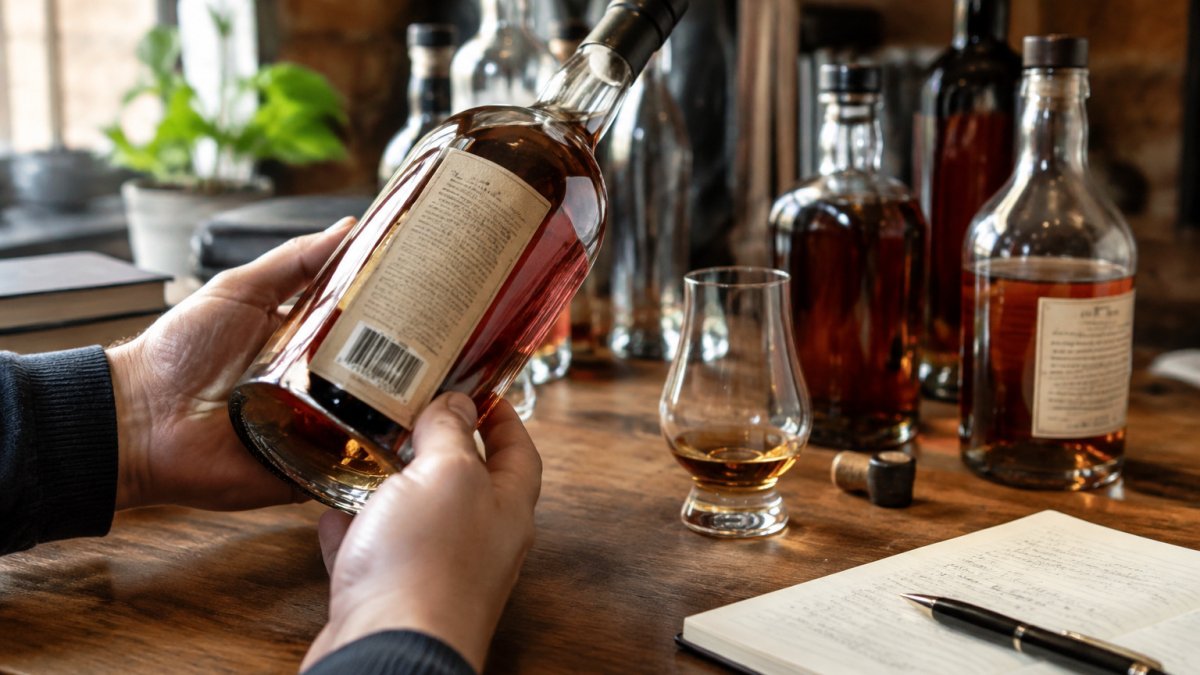
A tasting notes template turns vague memory into a record you can compare. Without one, you are guessing whether a bottle has changed.
Use a simple structure like this:
- Nose: what you smell first
- Palate: the main flavors and mouthfeel
- Finish: how long it lasts and how it ends
- Score: your rating out of 10
- Date: always date the entry
Then taste the same bottle again a month later and compare. The template does the work. You just fill in the blanks.
This is where rotation pays off. When you revisit a bottle on schedule, you catch the change early. You learn which bottles hold up over months and which fade in weeks.
Common Rotation Mistakes to Avoid
Most rotation problems come from a handful of habits. Fix these and the system runs itself.
- Opening too many bottles at once. Every open bottle starts its clock. Slow down.
- Ignoring low-fill bottles. These change fastest and need attention first.
- Storing bottles in sunlight. A bright shelf looks great and ruins whiskey.
- Never revisiting a bottle. If you never taste it again, you never learn how it ages.
- No tracking system. Memory fails past a dozen bottles.
- Chasing the newest release. New bottles crowd out the ones you already love.
The fix for most of these is the same: a schedule, a fill-level rule, and a place to log it all.
Conclusion
Managing a growing collection gets hard fast. Bottles change, your palate shifts, and without a system you lose track of both.
Bourbon Tracker™ makes it simple. Log your bottles, track fill levels and open dates, keep tasting notes, and get AI-powered suggestions that match your taste. It is free, needs no download, and works on any device.
Get started with Bourbon Tracker™ and take the guesswork out of your rotation.
Frequently Asked Questions
How do you rotate the bourbons you drink?
Start by splitting your open bottles into daily pours and special-occasion pours. Pour from the daily group most often, then work in one special bottle each week so nothing sits untouched for months. A simple rule: any open bottle below half full should move to the front of your rotation, since extra air speeds up flavor change. Revisit each bottle at least once a month and log what you taste.
Does bourbon need to be rotated to keep the cork moist?
No. That advice comes from wine storage, where a horizontal bottle keeps the cork wet and the seal tight. Bourbon is high in alcohol, and spirit contact actually breaks down cork over time, so store bottles upright. Rotating a bottle means pouring and tasting it, not turning it on its side. Keeping the cork dry and the bottle upright protects the seal better than any tilt.
How long does bourbon last after opening?
An opened bottle does not spoil, but it does change. With a tight cork and upright storage in a cool, dark spot, most bottles hold their character for six to twelve months. Once a bottle drops below a quarter full, the extra air exposure speeds oxidation and flavors can flatten within a few weeks. That is why fill level, not calendar age, should drive your rotation.
Should you finish one bourbon bottle before opening another?
Not unless you want a very small collection. Opening several bottles lets you compare pours side by side, which sharpens your palate and helps you spot flavor change over time. The trade-off is more open bottles to manage, so cap how many you keep active at once. Many collectors keep five to ten open bottles and rotate through them on a set schedule.