 how-to
Managing a Whiskey Collection for Investment: 2026 Guide
Last Updated: October 22, 2026
Quick Summary
Managing a whiskey collection for investment means running it as a system: set a budget, choose bottles over casks for liquidity, log every bottle with receipts and photos, track value from completed sales, and store bottles cool, dark, and upright. Calculate net returns after fees, taxes, and inflation before you buy or sell.
- Bottled whiskey is easier to store, sell, and value than casks, which lock up money for years.
- Log identity, acquisition, provenance, condition, storage, valuation, and status for every bottle.
- Photograph each bottle at intake and at every condition check to build a provenance record.
- Base valuations on completed auctions and confirmed sales, never on asking prices.
- Store bottles upright, cool, and dark, and keep original packaging to protect resale value.
Table of Contents
- Why Managing a Whiskey Collection for Investment Takes More Than Buying Bottles
- Step 1: Set a Budget and Choose Bottled Whiskey vs. Cask Investment
- Step 2: Select Distilleries, Styles, and Rare Limited Editions
- Step 3: Build a Whiskey Collection Inventory Spreadsheet (or Better)
- Step 4: Use a Whiskey Bottle Value Tracker to Follow Market Value
- Step 5: Follow Whiskey Storage Best Practices to Protect Condition
- Step 6: Weigh Whiskey Investment Risks and Fees Before You Sell
- Frequently Asked Questions
Why Managing a Whiskey Collection for Investment Takes More Than Buying Bottles
Most people treat a whiskey collection like a shopping habit.
Managing a whiskey collection for investment purposes is a system, not a hobby.
Enthusiasts log bottles, notes, and wishlists in one place, and the AI suggestions help you spot bottles worth chasing.
Here's the core tension: whiskey rewards patience, but only if the bottle survives intact and the paperwork holds up.
Step 1: Set a Budget and Choose Bottled Whiskey vs. Cask Investment
Two decisions come first: how much you can tie up, and whether you buy bottles or casks. Bottles are the simpler path for most collectors. Casks cost far more and lock up your money for years.
How Much Starting Capital You Actually Need
Many collectors start with a modest budget and scale up as they learn. A common approach is to set aside a fixed amount you can leave untouched for several years.
- Pick a number you won't need for emergencies
- Split it: most into bottles, a small reserve for fees and insurance
- Cap any single purchase so one bad bottle doesn't sink you
Bottles vs. Casks: Liquidity, Cost, and Control
Bottled whiskey is easy to store, easy to sell, and easy to value. A whisky cask is a different animal. You're buying litres of maturing spirit held by a bottler or broker, and you usually can't drink or move it.
| Factor | Bottled Whiskey | Whisky Cask |
|---|---|---|
| Upfront cost | Lower, per bottle | Much higher |
| Liquidity | Sell single bottles | Hard to sell in parts |
| Control | You hold it | Held by a third party |
| Risk | Condition, fakes | Broker failure, fees |
Step 2: Select Distilleries, Styles, and Rare Limited Editions
Not every bottle appreciates. Demand drives resale value, and demand follows a few patterns.
Focus your bottle selection on three things:
- Reputation: distilleries with a long track record and steady demand
- Scarcity: limited editions, small batches, and discontinued releases
- Style: aged whisky and cask-strength bottlings often draw stronger interest
Rare bottles and limited editions are the usual targets, but don't chase hype blindly. A bottle everyone else is buying may already be priced at its peak.
What most guides miss: condition matters as much as rarity. A rare bottle with a damaged label or low fill level sells for far less.
Step 3: Build a Whiskey Collection Inventory Spreadsheet (or Better)
A whiskey collection inventory spreadsheet beats memory every time. You can't manage what you can't see, and a collection of 50+ bottles gets confusing fast. But most guides stop at "make a spreadsheet", the real gap is what you log and why.
Start with these columns, and treat each one as a field you will actually use:
- Identity: bottle name, distillery, expression, age statement, ABV, bottle size, and release year
- Acquisition: purchase date, purchase price in USD, seller name, and receipt or invoice reference
- Provenance: where the bottle came from (retailer, auction house, private sale), whether it was store-pick or allocated, and any accompanying paperwork
A spreadsheet works at first. It gets clunky as the collection grows, and it won't remind you to check fill levels or flag a bottle that's climbing in value.
Why Provenance Documentation Matters More Than the Spreadsheet
The spreadsheet is only as good as the records behind it. At resale, a buyer or auction house will ask three questions: where did this bottle come from, has it been stored properly, and is it authentic? Your inventory should answer all three without you having to reconstruct anything from memory.
A practical documentation routine:
- Keep every receipt and invoice. A dated receipt from a licensed retailer is the simplest proof of legitimate acquisition.
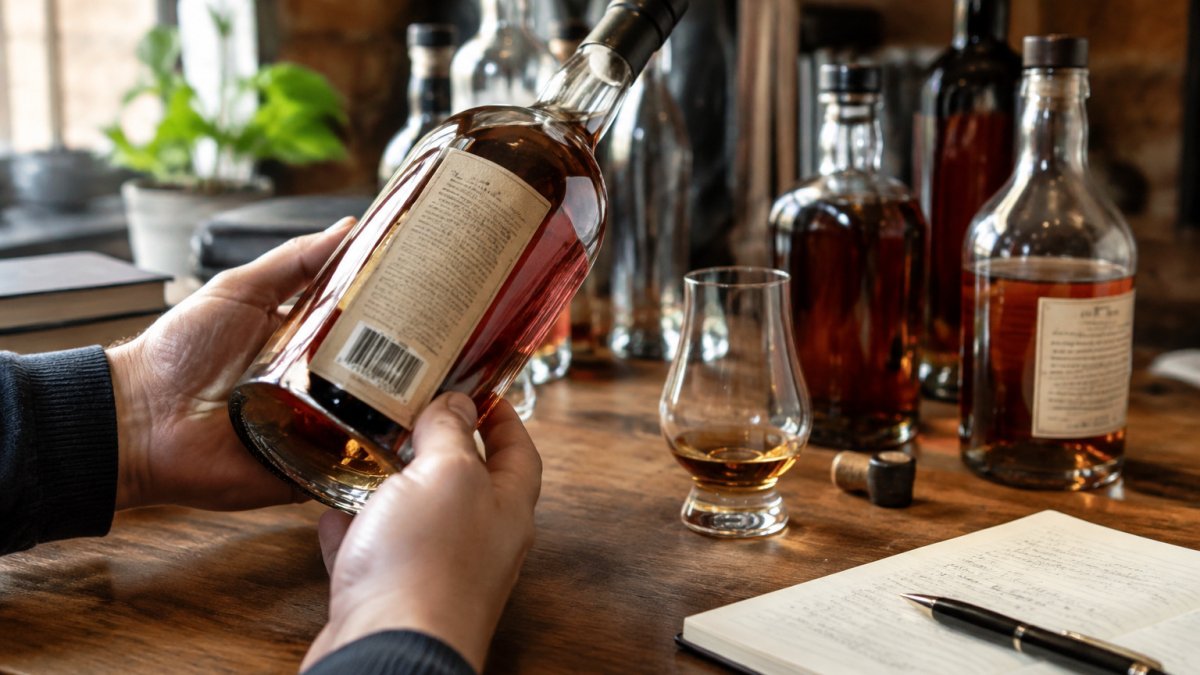
- Photograph at intake and on a schedule. A dated photo of the label, seal, capsule, and fill level is the cheapest provenance record you will ever make. Photograph again at each inspection so you have a condition timeline.
- Record the chain of custody. If a bottle passes through an auction house or a private sale, note the date and the counterparty.
Condition Logging: The Field Most Collectors Skip
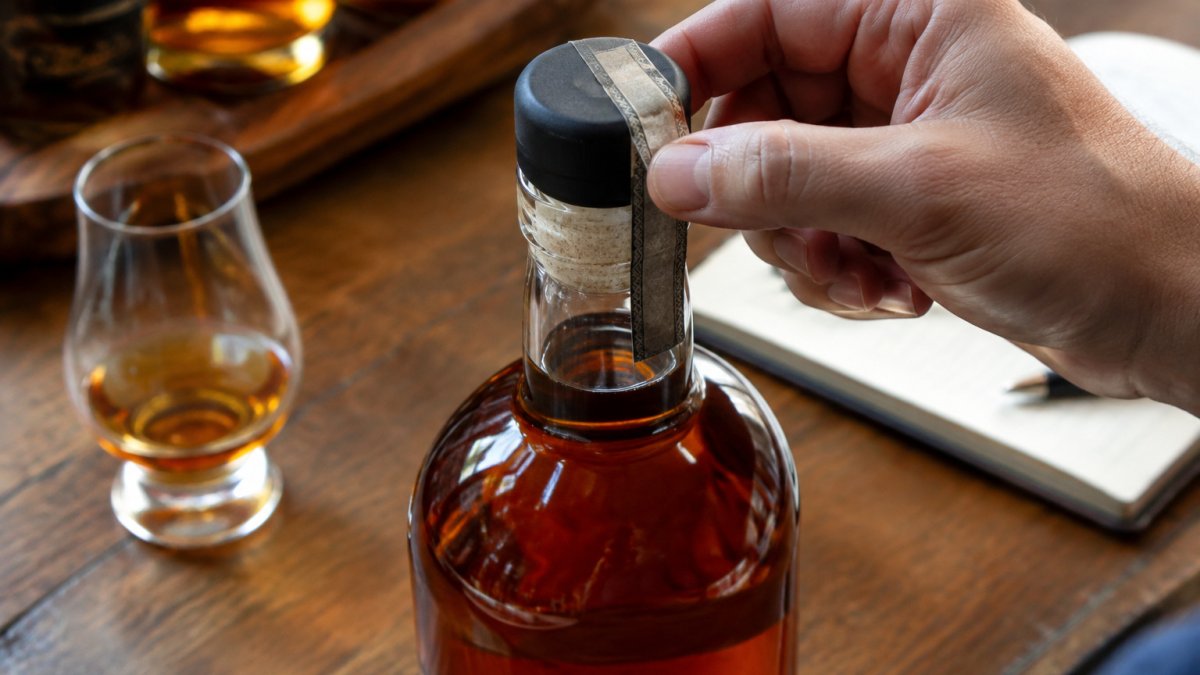
Condition is not a one-time note; it is a trend. A bottle that was at the base of the neck two years ago and is now an inch lower is telling you the seal is failing. Log fill level, cork condition, and any leakage at each inspection so you can spot deterioration before it becomes a discount at sale.
A simple inspection log entry should capture:
- Date of inspection
- Fill level relative to the shoulder or neck
- Cork and capsule condition (soft, cracked, stained, or intact)
When to Move Off the Spreadsheet
A spreadsheet is fine for a dozen bottles. It breaks down when you need to track condition over time, attach photos and receipts to each entry, compare valuations across dates, or share a read-only view with an insurer or buyer. The moment your collection becomes an investment rather than a hobby, the recordkeeping burden grows faster than the collection does.
Step 4: Use a Whiskey Bottle Value Tracker to Follow Market Value
A whiskey bottle value tracker is how you know whether your collection is actually growing.
Track value with a few habits:
- Check auction and secondary market results for your specific bottles
- Note the date of every valuation so you can spot trends
- Compare resale value against what you paid, not against asking prices
Valuation is where collectors get sloppy. Asking prices online are not sale prices. Real market data comes from completed auctions and confirmed secondary sales.
If you're coming from a plain spreadsheet, expect the first valuation pass to be humbling. Plenty of bottles people assume are "worth something" sell for barely more than retail.
Step 5: Follow Whiskey Storage Best Practices to Protect Condition
Whiskey storage best practices protect the two things buyers pay for: the liquid and the packaging. Heat, light, and movement all chip away at condition.
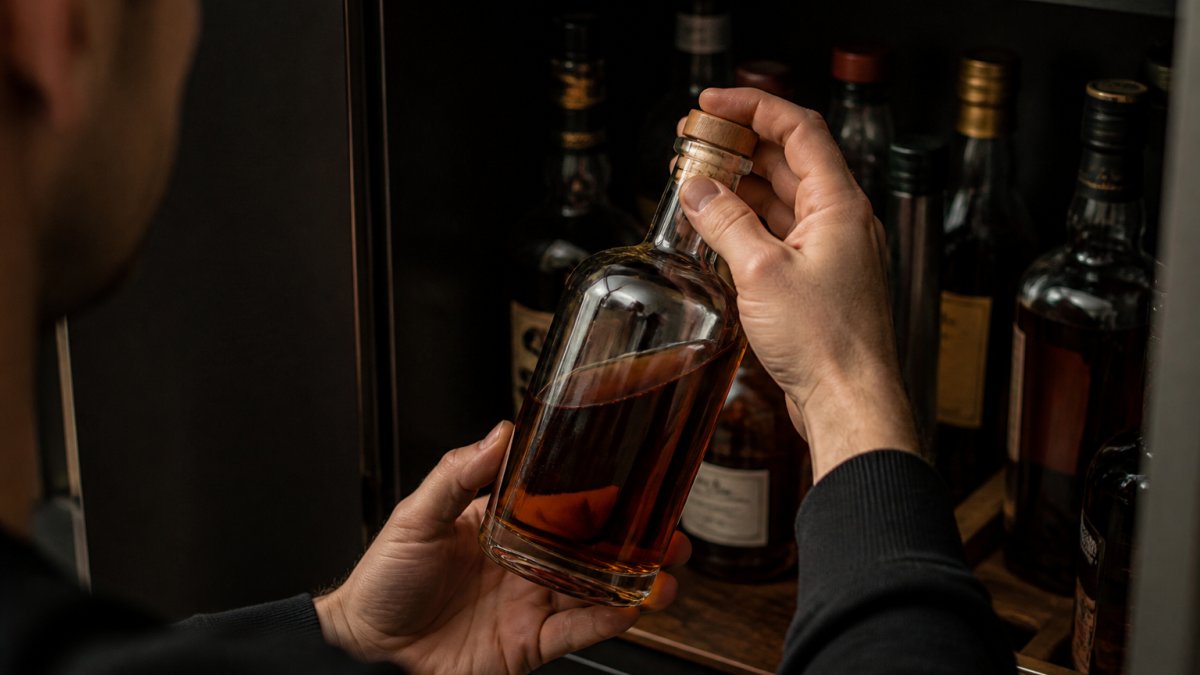
Follow these rules:
- Keep it cool and dark. Store away from sunlight and heat sources.
- Avoid temperature changes. Steady conditions beat swinging ones.
- Store bottles upright. Lying down lets high-ABV spirit eat the cork.
Check your bottles on a schedule. A bottle losing fill level or showing a soft cork is deteriorating, and that hits resale value directly. Keep original packaging too; boxed bottles with labels intact sell better.
Step 6: Weigh Whiskey Investment Risks and Fees Before You Sell
Whiskey investment risks and fees decide your real profit. The headline resale price is not what you keep. Most guides list the cost categories and stop there; the useful version is a net-return calculation you can actually run before you sell, plus a plan for the losses that have nothing to do with price.
Calculate Net Returns, Not Headline Appreciation
A bottle that "doubled" in asking price may have barely beaten inflation once you subtract the costs of holding and selling it. Build a simple net-return worksheet for each bottle or for the portfolio as a whole:
- Gross sale price: the realized price, not the asking price. Use completed auction results or confirmed secondary sales.
- Selling costs: auction commission and seller's premium, listing fees, and any photography or cataloging charges. Commission structures vary by house and by lot value, so confirm the current schedule before you consign.
- Shipping and insurance in transit: packing, carrier fees, and transit coverage to the buyer or auction house.
The formula is straightforward: net return = gross sale price − selling costs − shipping and transit insurance − storage and insurance while held − taxes − original purchase price, then adjust for inflation and holding period. Run it before you buy, not just before you sell, so you know what appreciation you actually need to break even.
Insurance, Security, and Loss Prevention
Price risk is only one category. Theft, breakage, leakage, heat damage, and fire can wipe out a bottle's value regardless of the market. Valuable collections deserve proper coverage and safe storage, and your inventory records make claims and sales far easier.
A practical loss-prevention routine:
- Document before you need to claim. Insurers and auction houses will ask for proof of ownership and condition. Your inventory photos, receipts, and condition log are that proof.
- Confirm what your policy actually covers. Standard homeowners or renters policies often cap or exclude collectibles, and may exclude breakage or leakage. Ask specifically whether the policy covers the collection as scheduled property, and whether it pays replacement cost or market value.
- Secure the storage, not just the bottles. Locked cabinets, limited access, and protection from heat and sunlight reduce both theft and condition loss. Keep bottles upright and away from vibration.
Liquidity and Counterparty Risk
Liquidity is another risk. Rare bottles can sit unsold for months, and the secondary market has rules worth checking with a tax professional before you rely on it. Auction houses may reject lots that don't meet their minimums, and private sales carry counterparty risk. Verify authenticity and provenance for every sale: receipts, photos, and original packaging all help.
Frequently Asked Questions
How do I track the value of a whiskey collection?
Record the purchase price, date, and source for every bottle, then compare against recent auction results and secondary market listings for the same expression and release. Keep notes on condition, fill level, and packaging because those affect resale value. A whiskey bottle value tracker or a structured whiskey collection inventory spreadsheet makes this repeatable, and reviewing values quarterly catches price appreciation or decline before you decide to sell.
What information should I record for each bottle in a whiskey collection?
At minimum: distillery, expression, age statement, ABV, bottle size, release year, purchase price, purchase date, and seller. Add fill level, label and seal condition, box or packaging status, and storage location. Photos of the label, capsule, and any codes help with authenticity checks later. This record is what supports provenance when you resell, so treat it as part of the asset rather than an afterthought.
What costs and risks should I consider before selling collectible whiskey?
Account for auction house commissions, shipping and insurance, payment processing, and any applicable taxes, since these can take a meaningful bite out of the headline price. Risks include falling demand for a distillery or style, bottles that leak or fade in poor storage, counterfeit or refilled bottles damaging trust, and limited liquidity when you need cash quickly. Compare net returns after fees and inflation, not just the sale price.
How can I verify a whiskey bottle's authenticity and provenance?
Check the capsule, label print quality, glass embossing, and any laser or bottle codes against known examples from the same release. Ask for the original purchase receipt, auction records, or a documented chain of ownership. For high-value bottles, buy from established auction houses or reputable dealers that inspect and guarantee what they sell, and photograph the bottle on arrival. Weak provenance is the fastest way to turn a rare bottle into an unsellable one.
Building a whiskey collection that actually grows takes discipline: a budget, a system, and storage that protects every bottle. That's a lot to juggle by hand. Bourbon Tracker™ keeps your inventory, tasting notes, and wishlist in one free, no-download platform, with AI-powered recommendations to help you find the next bottle worth your money. Track your collection with Bourbon Tracker™ and turn a shelf of bottles into a portfolio you can actually manage.