 ultimate-guide
Whiskey Wishlist Management: A Collector's Guide
Table of Contents
- Why a Whiskey Wishlist Beats a Mental List
- Whiskey Inventory Management Best Practices for Wishlist Planning
- How to Catalog Whiskey Bottles You Already Own
- Building Your Wishlist: What to Track for Every Bottle
- Choosing the Best Whiskey Tracking App for Your Collection
- Frequently Asked Questions
Last Updated: September 9, 2026
Why a Whiskey Wishlist Beats a Mental List
A whiskey wishlist management for collectors system is the difference between hoping you remember a bottle and knowing exactly what to hunt for next. Relying on memory fails the moment you see three limited releases on a shelf and cannot recall which one your friend rated a 9 out of 10. Relying on memory fails the moment you see three limited releases on a shelf and cannot recall which one your friend rated a 9 out of 10.
A written wishlist changes how you shop. It turns impulse browsing into a focused search, prevents duplicate purchases, and gives you a concrete plan for trades and auctions. The act of writing down a bottle also curbs impulse spending, since you see your full list before adding another cask strength rye.
Beyond the practical side, a wishlist documents your evolution as a taster. When you finally cross off a bottle you chased for two years, the entry records when you wanted it, what you paid, and how it tasted once opened. That history becomes part of the hobby itself.
Whiskey Inventory Management Best Practices for Wishlist Planning
Most collectors start tracking bottles only after a purchase goes wrong, like buying a duplicate of something already sitting in storage. Effective whiskey inventory management best practices begin with a simple rule: record every bottle the moment it enters your home, before you pour the first dram.
Your inventory list should capture the distillery, expression name, ABV, batch number, and bottle status. Status matters more than most people think. A sealed bottle is an asset you might trade or sell, while an open bottle is purely for drinking. Mixing the two categories leads to valuation errors and accidental double purchases.
A practical workflow looks like this:
- Log the bottle immediately upon purchase.
- Assign a status: sealed, open, or empty.
- Add the price paid and purchase date.
- Write a one-line note on why you bought it.
- Review your list before every store visit or auction bid.
This discipline feeds directly into your wishlist. When you know precisely what you own, your wishlist stops containing bottles that are already on your shelf. The Bureau of Alcohol, Tobacco, Firearms and Explosives guidance on bottle labeling notes that distillery and batch identifiers are standard on regulated products, giving you consistent data points to record.
How to Catalog Whiskey Bottles You Already Own
Cataloging an existing collection feels overwhelming if you have 50 or more bottles, but the process breaks down into manageable passes. Start with the sealed bottles, since they represent your financial investment and trade value. Work through them shelf by shelf, capturing the distillery, expression, ABV, and any batch or vintage marks.
For open bottles, add tasting notes while the whiskey is fresh in your memory. A digital catalog lets you track your palate over time, showing which flavor profiles you actually reach for versus the ones you bought for the label. This is where your collection becomes a personal tasting history rather than a simple list.
A common mistake is trying to capture every detail in one sitting. Cataloging is not a single event; it is an ongoing habit. Spend ten minutes logging a few bottles each week, and your entire collection will be digitized within a month.
Building Your Wishlist: What to Track for Every Bottle
A useful wishlist entry holds more than a bottle name. For each target, record the distillery, the specific expression, the expected retail price, and the secondary market value if you plan to chase rare spirits. Noting the bottle status you are seeking, whether a standard release or a limited single barrel, prevents confusion when similar expressions share a name.
Track these fields for every wishlist bottle:
- Distillery and expression name
- ABV and cask strength designation
- Expected retail price range (MSRP)
- Current secondary market estimate (if applicable)
- Why you want it (a tasting note you read, a friend's review, a distillery tour)
- Priority level, from "nice to have" to "must find"
- Target purchase channel (retail shelf, distillery allocation, auction, private trade)
The valuation field deserves special attention. A wishlist that tracks only MSRP will mislead you. Limited releases from distilleries like Buffalo Trace's Antique Collection or Buffalo Trace Distillery's annual releases often trade at 5 to 10 times their retail price on the secondary market. If you are hunting a bottle like a Pappy Van Winkle 15 Year or a William Larue Weller, your wishlist should note both the retail price and the realistic auction price. This dual figure tells you whether a bottle is a reasonable retail find or a significant investment purchase.
Auction and secondary market integration is the missing piece in most wishlist systems. The best approach is to set up alerts on auction platforms for bottles on your list. When a bottle like a George T. Stagg or a Michter's 20 Year appears at auction, you want to know immediately. Many collectors use auction result databases to track price trends over time, which helps them decide whether to buy now or wait for the market to cool. This turns your wishlist from a static list into a live market watch.
The priority level matters more than collectors admit. A wishlist with 40 equal-priority bottles helps you no more than a mental list does. Rank your targets so that when a rare allocation email lands, you know instantly which bottle justifies the purchase. Use a simple tier system:
- Tier 1: Must find, bottles you will pay a premium for or drive across state lines to acquire.
- Tier 2: High interest, bottles you would buy at retail without hesitation but will not overpay for.
- Tier 3: Curiosity, bottles you want to try but will only buy if the price is right or the opportunity is convenient.
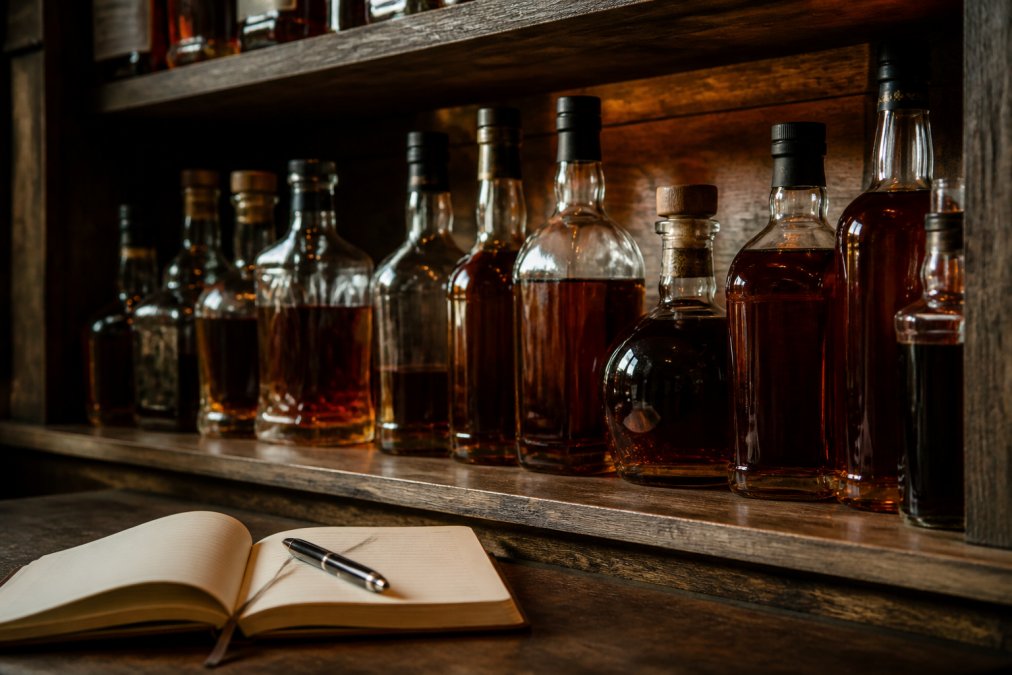
Your tasting notes should feed back into this list. When you log a review of an open bottle, the platform's AI can suggest similar whiskeys you have not tried, which is how many collectors discover their next favorite pour. But the wishlist should also feed forward into your financial planning. A well-maintained wishlist with realistic valuations becomes the basis for insurance documentation and legacy planning. If you have a collection worth more than your homeowner's policy's personal property limit, your wishlist is the first document an appraiser or insurance adjuster will ask to see.
Choosing the Best Whiskey Tracking App for Your Collection
Selecting the right platform is a decision about data custody, not just feature checkboxes. The best whiskey tracking app for you depends on how you collect, but the most critical factor is often overlooked: what happens to your data if the service changes or shuts down.
Before evaluating features, define your priorities. Do you care most about valuation, community, or tasting history? A casual drinker with 15 bottles needs a different tool than a serious collector managing 150 sealed bottles across multiple storage locations. Most collectors want a tool that handles the full lifecycle: logging bottles, tracking open and sealed status, maintaining a wishlist of rare bottles, and referencing secondary market trends without juggling three different spreadsheets.
However, the unique angle here is security and privacy. Your collection data reveals what you own, what you are hunting, and potentially where you store it. This is a high-value asset profile that could make you a target. The Federal Trade Commission guidance on data privacy and security underscores why collectors should think carefully about which platforms hold their purchase history. Look for platforms that offer:
- End-to-end encryption for your inventory and wishlist data.
- Granular privacy controls that let you share reviews publicly while keeping your full inventory and storage locations private.
- Two-factor authentication (2FA) as a standard option, not a premium add-on.
- A clear, published data retention policy that states what happens to your data if you delete your account or if the service is acquired.
The second critical factor is data portability. Collectors have watched niche apps shut down, taking years of tasting data with them. Before committing to any platform, confirm you can export your collection data in a standard format like CSV or JSON. Your catalog is the record of your hobby, and you should always control the master copy. A platform that locks your data behind a proprietary format is a liability, not a tool.
Third, consider valuation and auction integration. A wishlist is only useful if it reflects current market reality. The best platforms sync with secondary market data or auction house results, so you can see when a bottle on your list has dropped in price or spiked in demand. This is the difference between a static shopping list and a dynamic investment tracker. If a platform lacks this integration, you will need to manually check auction sites like Whisky Auctioneer or Unicorn Auctions to keep your valuation estimates current.
For most enthusiasts, Bourbon Tracker™ checks the essential boxes: it is free, requires no download, and runs entirely in your browser. You can log tasting notes, manage a personal wishlist, and receive AI-powered recommendations based on your palate. The community features let you share reviews on your own terms without exposing your full inventory to the public. But regardless of the platform you choose, verify its export function and privacy settings before you log your first bottle.
Frequently Asked Questions
How do I organize my whiskey wishlist for rare finds?
Organize your wishlist by priority tiers, not just alphabetical order. Create categories like 'Must Buy at MSRP', 'Willing to Pay Secondary Market Prices', and 'Only If I Find It at a Bar'. Track the distillery, batch number, release year, and your target price for each bottle. This structure helps you act quickly when a rare bottle appears on a shelf or at auction, and it prevents impulse purchases that drain your budget.
Should I use a spreadsheet or an app for whiskey collection management?
Spreadsheets work for simple tracking, but they fail when you want to analyze your collection or connect with other enthusiasts. An app like Bourbon Tracker™ lets you log tasting notes, and track bottle status without manual formatting. If your collection exceeds 20 bottles, a dedicated platform saves time and reduces data entry errors.
What whiskey is a must-have in a collection?
A must-have whiskey depends on your palate, not someone else's top-10 list. Start with distillery staples that represent a brand's core style, like a standard small batch or single barrel offering. Then add limited releases that align with your preferred flavor profile, whether you favor high-rye spice, wheated sweetness, or cask strength intensity. Your wishlist should reflect your tasting history, not just what is hyped in online communities.