 ultimate-guide
How to Start a Bourbon Collection in 2026
Table of Contents
- Step 1: Define Your Bourbon Collection Goals and Taste Profile
- Step 2: How to Build a Bourbon Collection on a Budget
- Step 3: Must-Have Bourbon Bottles for Beginners
- Step 4: Best Tools for Whiskey Collectors to Track and Organize
- Step 5: Proper Storage Conditions to Protect Your Bourbon
- Step 6: Buying Smart in 2026: Retail, Allocated Bottles, and the Secondary Market
- Frequently Asked Questions
Last Updated: September 28, 2026
Step 1: Define Your Bourbon Collection Goals and Taste Profile
Before you buy a single bottle, decide what kind of bourbon collection you actually want. That decision shapes every purchase that follows.
A bourbon collection is a curated set of bottles chosen around a defined purpose, whether that purpose is drinking, investing, or both. Your purpose determines your budget, your bottle selection, and how you store everything.
Start by answering three questions: Do you want bottles to open and enjoy, bottles to hold and appreciate, or a mix? What flavor profiles do you already like? How much space do you have?
Drinking vs. Investing: Two Very Different Collections
Drinking collections prioritize bottles you will actually open. You chase flavor profiles, compare mash bills, and track tasting notes across distilleries. Value matters less than enjoyment.
Investing collections prioritize scarcity and provenance.
Step 2: How to Build a Bourbon Collection on a Budget
A realistic budget beats an ambitious one every time. Most collectors who stay in the hobby for years spend a steady monthly figure rather than making sporadic large purchases. The number matters less than the structure behind it.
A Concrete Allocation Framework
A common pattern among experienced collectors is to split a monthly budget into three buckets with rough proportions:
- Everyday sippers (roughly 50-60% of the monthly figure): bottles you will open within weeks. These teach you the most per dollar because you actually taste them.
- Special-bottle fund (roughly 25-35%): a rolling savings pool for an allocated or premium release. You contribute monthly and buy only when the fund covers the bottle outright.
- Tasting and education fund (roughly 10-15%): bar pours, tasting flights, or sample swaps. This is the cheapest way to learn what you like before committing to a full bottle.
Budgeting for the Two Collection Types
The drinking-vs-investing decision from Step 1 changes how you should spend, not just what you buy:
- Drinking collection: weight the budget toward everyday sippers and tasting pours. Your return is enjoyment and palate development, not resale value. Spending 70-80% on open-now bottles is reasonable.
- Investing collection: weight the budget toward fewer, higher-quality bottles with documented provenance. You may buy two or three bottles a year instead of twelve. The cost per bottle rises, but so does the importance of buying at or near retail.
- Mixed collection: keep the two budgets physically or digitally separate. Label each bottle as 'drink' or 'hold' the day you buy it. This single habit prevents the most common beginner regret, feeling guilty about opening a bottle that appreciated.
The Hidden Costs That Blow a Budget
Bottle price is not the only line item. Factor in:
- Shipping and tax: online orders and out-of-state purchases add cost that shelf price does not show.
- Storage: shelving, racks, or a dedicated cabinet is a one-time cost that grows with the collection.
- Replacement pours: every bottle you open is a bottle you will eventually want to replace. Budget for it.
- Mistakes: your first year will include bottles you do not enjoy. Treat those as tuition, not waste.
Step 3: Must-Have Bourbon Bottles for Beginners
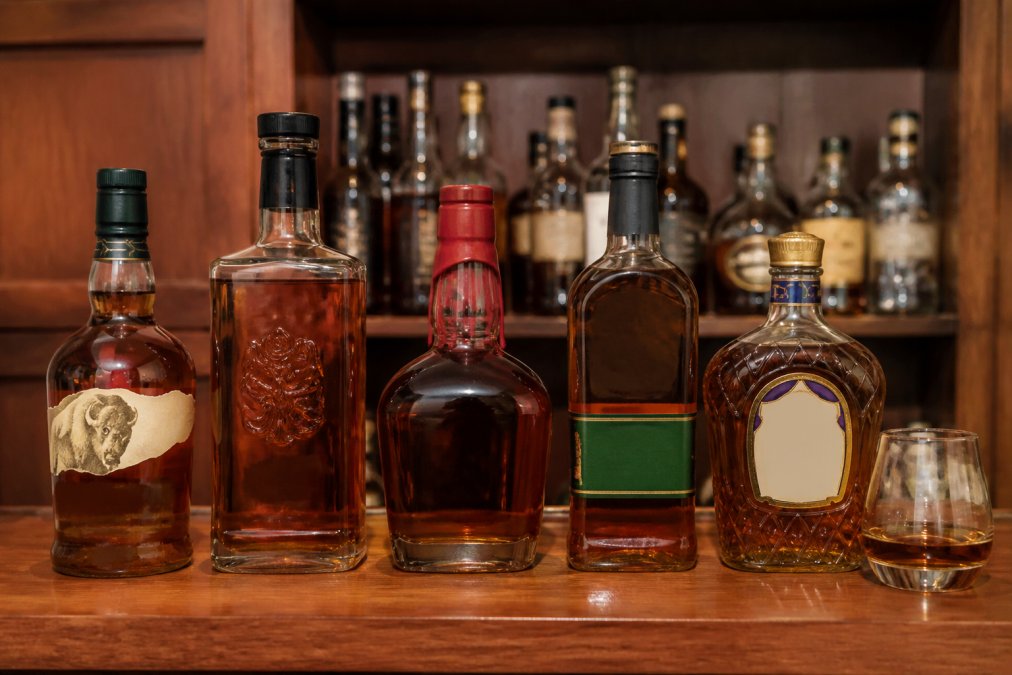
The best beginner bottles are widely available, reasonably priced, and representative of a style. You want bottles that teach you what you like, not bottles that sit sealed on a shelf.
Step 4: Best Tools for Whiskey Collectors to Track and Organize
The best tools for whiskey collectors combine inventory tracking, tasting notes, and wishlist management in one place. Paper notebooks and spreadsheets both work at first, but they break down as your collection grows.
Digital Inventory Management: Why Spreadsheets Fall Short
Spreadsheets handle a list of bottles. They struggle with everything else. You cannot easily search by flavor profile, compare tasting notes across a vertical, or get suggestions based on what you already enjoy.
Step 5: Proper Storage Conditions to Protect Your Bourbon
Storage conditions decide whether your collection tastes the same in five years as it does today. Heat, light, air, and humidity are the four variables that quietly degrade a bottle. Most guides cover the first three and skip the fourth. Here is what actually happens and what to do about it.
Temperature: Stability Beats Cold
Whiskey does not need refrigeration, but it does need consistency. A stable temperature in the range most homes already maintain, roughly 60-70°F, is ideal. What damages whiskey is fluctuation, not a specific number. Repeated expansion and contraction of the liquid pushes it against the closure and accelerates evaporation. Keeping your bottles in a climate-controlled environment preserves the integrity of the spirit, which is a foundational step when building a home bar for hosting guests.
Light: UV Is the Real Enemy
Direct sunlight and fluorescent light both carry ultraviolet wavelengths that break down the organic compounds in whiskey. The result is a flatter, duller flavor over time, sometimes described as 'skunked.' Brown glass slows this but does not stop it.
- Store bottles in their original boxes or tubes when you have them.
- Keep shelves out of direct sun and away from long-term fluorescent exposure.
- If you display bottles, rotate them or accept that display bottles are for looking, not long-term holding.
Humidity: The Variable Most Guides Skip
Humidity affects two things: the cork and the label. Low humidity dries out corks, causing them to shrink and lose their seal. High humidity promotes mold on labels and can degrade cardboard packaging.
Bottle Orientation: Upright, Always
Store bottles upright, not on their side. High-proof spirits can degrade a cork over time, and a sideways bottle puts liquid against the closure for years. Wine is stored on its side to keep the cork wet; whiskey is the opposite because the alcohol itself is the aggressor. Upright storage keeps the cork in contact with vapor rather than liquid, which slows degradation.
Oxidation: The Quarter-Full Rule
Once a bottle drops below roughly a quarter full, the extra air inside speeds up oxidation. The flavor shifts, often toward flatter, less complex notes. This is not spoilage, but it is change.
- Transfer the remaining whiskey to a smaller bottle to reduce headspace.
- Use an inert gas spray designed for wine and spirits to displace oxygen.
- Finish the bottle with friends and treat the occasion as the point.
A Simple Storage Checklist
- Keep bottles upright and out of direct sunlight
- Aim for a stable temperature rather than a specific number
- Target roughly 50-60% relative humidity
- Avoid temperature swings more than absolute cold or heat
- Note opened dates so you know how long a bottle has been breathing
- Log storage location in your tracking system so you can find bottles without digging
Step 6: Buying Smart in 2026: Retail, Allocated Bottles, and the Secondary Market
A simple way to decide: if you want to drink it, buy retail. If you want to hold it for value, buy only from sources you trust and document everything.
| Channel | Best For | Main Risk | What to Verify |
|---|---|---|---|
| Retail shelf | Everyday sippers, store picks | None significant | Nothing beyond price |
| Allocated release | Rare bottles at retail price | Long waits, lotteries | Program eligibility |
| Secondary market | Discontinued or rare bottles | Counterfeits, refills | Seal, label, receipt |
Frequently Asked Questions
What are the steps for a beginner to start bourbon collecting?
Start by defining whether you're collecting to drink or invest, then set a monthly budget. Learn to read labels for mash bill, proof, and age statements. Buy a few entry-level bottles to identify your flavor preferences. Track every purchase with tasting notes using a digital tool. Store bottles upright in a cool, dark place. Join a bourbon community to learn from others and discover new releases without overspending.
Is it legal to sell a bourbon collection?
Selling alcohol without a license can be illegal. Private sales through secondary market platforms operate in a legal gray area, and shipping alcohol across state lines may require a license. If you plan to sell, consult a lawyer familiar with liquor regulations. For most collectors, the safer approach is trading with friends or donating bottles rather than selling them.
How do you properly store bourbon to maintain its value?
Store bottles upright, never on their side, so the cork doesn't degrade. Keep them away from direct sunlight and heat; UV light breaks down compounds in the whiskey. Ideal conditions are a cool, dark space with stable temperature around 60-70°F. Avoid extreme temperature swings. For long-term storage of opened bottles, add inert gas or transfer to smaller containers to limit oxidation and preserve flavor.
How can I track my bourbon collection digitally?
Use a dedicated collection app or web-based platform that lets you log bottles, tasting notes, and wishlists. Bourbon Tracker™ offers free, no-download tracking with AI-powered recommendations based on your palate. A good tool should handle large collections without slowing down, keep your data private, and let you search by distillery, proof, or mash bill. Digital tracking can sync across devices and help you spot gaps in your collection.