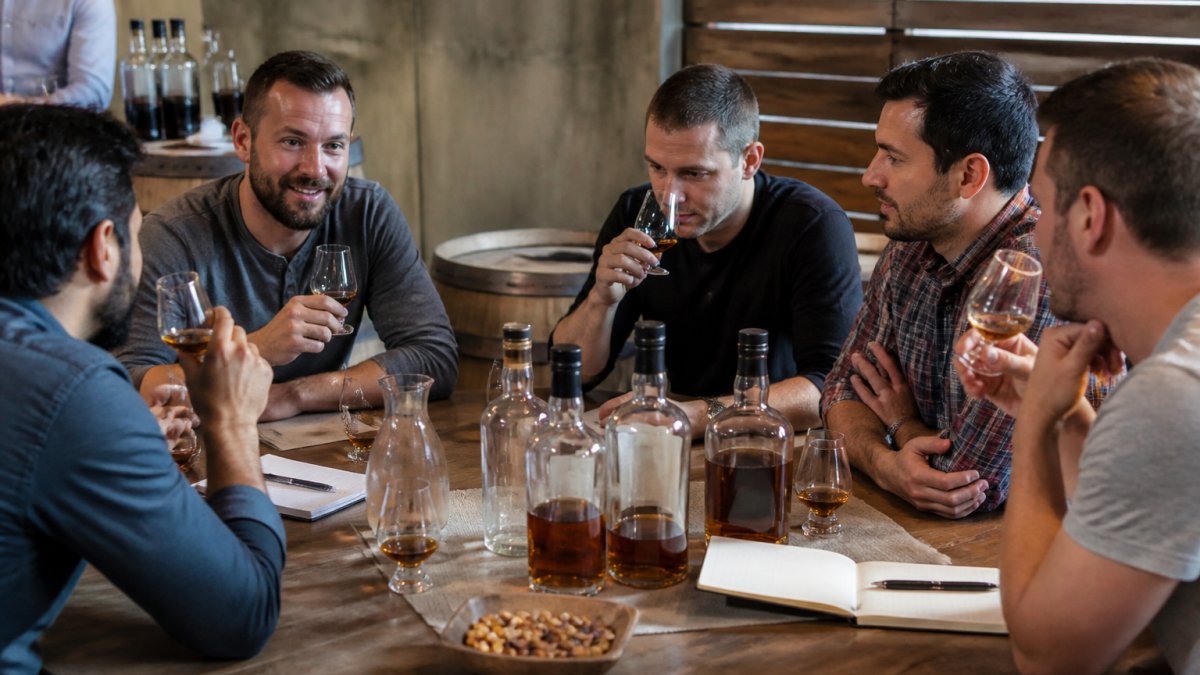
 how-to
How to Join Local Bourbon Groups: 2026 Guide
Table of Contents
- Where to Find Local Bourbon Groups in 2026
- Benefits of Bourbon Tasting Groups
- Types of Bourbon Clubs: Social vs. Subscription
- Bourbon Club Etiquette: Unwritten Rules to Follow
- How to Start a Whiskey Club in Your Area
- What to Expect at Your First Bourbon Club Meeting
- Conclusion
- Frequently Asked Questions
Last Updated: October 1, 2026
Where to Find Local Bourbon Groups in 2026
Finding local bourbon groups is easier when you stop relying on one platform. Most people open Facebook, search once, and give up. That's a mistake. Good groups hide in plain sight on event sites, distillery newsletters, and liquor store bulletin boards.
Search Strategies Beyond Social Media
Facebook groups get all the attention, but they miss plenty. Try these instead:
- Event platforms: Search "bourbon tasting" on Eventbrite and Meetup. Filter by date, not by city.
- Distillery newsletters: Sign up for updates from distilleries near you. Member socials get announced there first.
- Liquor store boards: Independent shops often post flyers for bottle shares and tasting events.
- Reddit and forums: Regional subreddits and whiskey forums list meetups that never hit Facebook.
- Local bartenders: Ask the person pouring your drink. They know every group in town.
Benefits of Bourbon Tasting Groups
Bourbon tasting groups give you three things you cannot buy: access, education, and people who care about the same bottles you do.
Types of Bourbon Clubs: Social vs. Subscription
Bourbon clubs split into two main types, but the split is not as clean as most guides suggest. Knowing the mechanics, how dues work, what you actually get, and what the legal limits are, saves you time and money.
Social Clubs
Social clubs meet in person. Members bring bottles, share pours, and talk. Dues stay low because there is no shipping or product involved. A typical structure:
- Dues: Often $0 to $50 per year, sometimes collected as a per-meeting contribution to cover the venue, glassware, or ice.
- Format: Monthly or quarterly bottle shares, often with a theme (a distillery, a region, a proof range).
- What you get: Access to pours you cannot buy by the bottle, in-person education, and a network that tips you off to store picks and releases.
- What you do not get: Bottles to take home. You drink what is opened that night.
Subscription Clubs
Subscription clubs ship bottles to your door. You pay a recurring fee, and the club picks the bottles. These suit people who want variety without hunting. Key mechanics:
- Pricing: Most subscriptions run roughly $50 to $200 per shipment, depending on bottle count and tier. Shipping is often included; sometimes it is not.
- Frequency: Monthly, bi-monthly, or quarterly. Quarterly is common for higher-end tiers.
- What you get: Curated bottles, tasting notes, and sometimes access to member-only releases.
- What you do not get: The in-person community. You are buying bottles, not a social circle.
The Legal Piece Most Guides Skip
Shipping alcohol to your door is regulated at the state level, and the rules vary widely. Some states allow direct-to-consumer spirits shipping; others restrict it heavily or prohibit it. Before you join a subscription club, check two things: Local regulations often dictate whether you can legally receive shipments or if you must instead focus on hosting spirit tastings to explore new expressions with your community.
- Whether the club ships to your state at all
- Whether your state requires an adult signature on delivery
Hybrid Clubs
Many regional groups now blend the two. They meet monthly and offer optional bottle buys. That model works well because it keeps the social core intact while giving members a way to get bottles they cannot find locally. Expect hybrid dues to sit between the two, often a modest annual fee plus pay-as-you-go bottle buys.
How to Choose
| Club Type | Cost Structure | Best For | Commitment |
|---|---|---|---|
| Social | Low dues, bring your own bottle | Meeting people, learning in person | Monthly or quarterly meetings |
| Subscription | Recurring fee per shipment | Trying new bottles without hunting | Ongoing membership |
| Hybrid | Dues plus optional bottle buys | Members who want both | Varies by group |
If your goal is people, pick social or hybrid. If your goal is bottles, pick subscription, but verify shipping legality first.
Bourbon Club Etiquette: Unwritten Rules to Follow
Bourbon club etiquette is simple, but nobody writes it down. Break these rules and you will not get invited back. The bigger issue is that most guides stop at "bring a bottle." The real friction new members hit is cultural: who pours first, how much to talk, and how to avoid looking like you are only there for the rare stuff.
The Contribution Ladder
Groups quietly sort members by contribution, not by collection size. A common pattern looks like this:
- First visit: Bring one bottle at or slightly above the group's average pour. Ask the host what the group usually opens.
- Second and third visits: Bring something with a story, a store pick, a distillery-only release, or a bottle tied to a trip. Story matters more than price.
- Regular member: Contribute to the group's shared bottle fund, host once, or bring a guest bottle when you bring a guest.
- Core member: Help plan themes, source bottles for group buys, or mentor new attendees.
The Rules Nobody Posts
- Never pour more than a taste. One ounce is standard. Two is pushing it. If the bottle is rare, half an ounce is the polite pour.
- Do not hog the rare bottle. Everyone gets a pour before anyone gets seconds. If the host says "save the last two ounces," that means save them.
- Share your tasting notes. Silence at a bottle share reads as disinterest. You do not need fancy vocabulary, "I get a lot of oak and a little cherry" is enough.
- Ask before photographing. Some members keep their collections private, and some bottles are not legal to resell or trade in every state.
- Respect attendee caps. If the host set a limit, do not bring a guest unannounced. Ask first, even if the group usually has room.
- Do not ask to buy a pour. Offering cash for a taste of someone's bottle is the fastest way to get quietly uninvited. Trades and shares are the currency here.
- Leave the politics and the flexing at home. Groups that survive are the ones where a $30 bottle and a $300 bottle get the same airtime.
Gatekeeping: What It Looks Like and How to Get Past It
Gatekeeping is real, but it is usually not personal. It shows up as:
- A group that only posts meetups in a private chat
- A host who vets new members through a mutual friend
- A rule that you must attend two events before you can bring a guest
Host Dynamics
The host sets the tone, and the host's rules override group norms. If the host says no phones, no phones. If the host says one pour per bottle, that is the rule for the night. Do not lobby the group to overrule the host, that is the single fastest way to lose your invite.
How to Start a Whiskey Club in Your Area
Starting a whiskey club takes about a month of planning. Here is the process.
- Pick a format. Decide if you want a social club, a subscription model, or a hybrid.
- Find three or four founding members. You need a core group before you recruit.
- Choose a meeting spot. A bar, a distillery, or a member's home all work.
- Set the rules. Write down dues, attendee caps, and bottle-share expectations.
- Create a simple way to communicate. A group chat or email list is enough at first.
- Plan your first event. Keep it small. Ten people is plenty.
- Grow slowly. Add members only when the group feels stable.
What to Expect at Your First Bourbon Club Meeting
Your first bourbon club meeting will feel informal, and that is normal. Most groups open with introductions, then move to a guided tasting or bottle share.
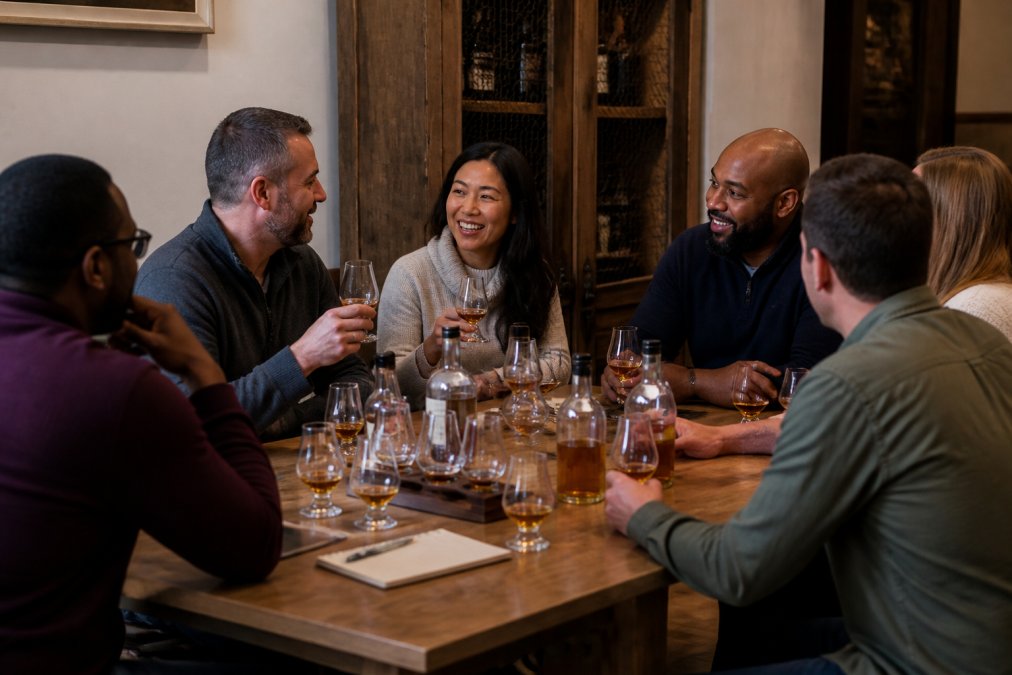
Here is the typical flow:
- Arrive early and introduce yourself
- Listen to the host explain the night's theme
- Taste in the order the host suggests
- Take notes as you go
- Stay for the open discussion at the end
Conclusion
Joining a bourbon group takes effort, but the payoff is real. You get access to bottles you cannot find, education you cannot get alone, and people who share your interest. Start with one search beyond Facebook. Show up once. See how it feels.
Frequently Asked Questions
Do I need to be an expert to join a local bourbon group?
No. Most local bourbon groups welcome beginners who are curious about spirits. While some members may have deep knowledge of aged spirits, the focus is usually on community and shared tasting events. You can learn about tasting notes and whiskey education simply by attending. Bring a bottle within your budget, listen more than you speak, and ask questions. Many groups also use platforms to log tasting notes, which helps new members build their palate over time.
Are there membership fees for local bourbon clubs?
Some clubs are free and meet at bars or members' homes, while others charge membership dues to cover private events, venue rentals, or shared bottles. Costs vary widely based on the group's structure. Subscription-style groups often have monthly fees, whereas informal social gatherings might just ask you to bring a bottle to share. Always ask about membership benefits and fee structures before committing, and check if there are attendee caps for events.
How do I find a bourbon club in my area if I don't use Facebook?
You can search on event platforms, check local liquor stores for flyers, or ask bartenders at whiskey-focused bars. Regional groups sometimes list on hobbyist forums or meetup sites. Another strategy is to visit distillery tours and ask staff about local chapters. If none exist, you can start your own by posting in community centers or using a bourbon tracking app to connect with nearby enthusiasts.
What should I bring to my first bourbon club meeting?
Bring a bottle of bourbon to share if the group does bottle shares, but check the club bylaws first. Some groups have themed nights or specific pour requirements. Also bring a notebook or use a digital app to record tasting notes. It is polite to bring a non-alcoholic option if the host provides snacks. Lastly, bring an open mind and willingness to sip and connect with others.