 how-to
How to Build a Bourbon Wishlist: A 2026 Guide
Table of Contents
- Start by Defining Your Personal Taste Profile
- Understanding Bourbon Mash Bills and Flavor Profiles
- Best Bourbon for Beginners: Building Your Foundation
- The Pyramid Approach: Entry-Level to Premium Selection
- Setting a Realistic Budget and Price Strategy
- How to Start a Whiskey Collection with Digital Tools
- Using Bourbon Tracking Apps to Organize Your Wishlist
- Finding and Sourcing Hard-to-Find Bottles
Last Updated: August 8, 2026
Start by Defining Your Personal Taste Profile
Building a bourbon wishlist starts with understanding what you actually like to drink. Many collectors chase bottles based on rarity or hype rather than flavor preferences, resulting in shelves full of bottles they don't enjoy.

Before adding a single bottle to your wishlist, identify the flavor characteristics that appeal to you. Do you gravitate toward spicy, high-rye bourbons, or prefer sweeter, fuller notes from wheated recipes? Are you drawn to bold cask strength expressions, or something more approachable at standard proof?
Build this profile through tasting. Start with bottles you already own or can find easily at retail. Pay attention to the initial nose, mouthfeel, and finish. Write down what you notice. Over time, patterns emerge showing which flavor families resonate with you.
Your taste will evolve as you explore more bourbons. Your wishlist should develop with your palate, not lock you into early preferences. Create a simple tasting framework noting distillery, mash bill, proof, age statement, and impressions. Tools like Bourbon Tracker™ let you log these notes digitally, making it easy to spot patterns across dozens of bottles.
Understanding Bourbon Mash Bills and Flavor Profiles
The mash bill, the grain recipe used in production, directly influences the flavor profile you'll experience. Understanding this relationship helps you predict whether a bottle will appeal to you before you buy it.
Bourbon must contain at least 51% corn by law. The remaining percentage comes from rye, wheat, or barley, creating distinct flavor signatures. A high-rye mash bill typically delivers spicier, peppery notes with a drier finish. Wheated bourbons produce softer, sweeter characteristics with fuller mouthfeel.
Four Roses uses a wheated recipe producing vanilla and caramel notes. Bulleit, conversely, is known for its high-rye mash bill, delivering pronounced spice and sharper finish. When you understand these differences, you can make informed decisions about what to pursue.
Mash bill is a reliable starting point for prediction, though proof, barrel char level, aging conditions, and water chemistry all play roles. If you love spicy, complex bourbons, high-rye expressions should dominate your wishlist. If you prefer approachable, sweeter profiles, wheated bourbons and lower-proof expressions make sense.
Many collectors build a "flavor pyramid" within their collection: a base of accessible, consistent bourbons they enjoy regularly, a middle tier of premium selections showcasing specific flavor characteristics, and a top tier of rare or experimental bottles.
Best Bourbon for Beginners: Building Your Foundation
Your foundation bottles should be accessible, reasonably priced, and genuinely enjoyable. These are bottles you'll actually drink, not store untouched.
Start with entry-level expressions from established distilleries. Maker's Mark, Woodford Reserve, Buffalo Trace, and Evan Williams represent different flavor profiles at budget-friendly price points. Maker's Mark introduces wheated bourbon's softer, sweeter profile. Woodford Reserve offers complexity and balance. Buffalo Trace provides a standard rye mash bill experience. Evan Williams white label offers solid quality at the lowest price point.
Drink these bottles regularly, building palate memory and identifying what resonates. Give each one at least three tastings before deciding. Your first taste might be influenced by novelty; multiple tastings reveal your actual preference.
A realistic foundation collection includes five to eight entry-level bottles representing different flavor profiles, proof levels, and price points. This gives you breadth without overwhelming your palate or budget.
The Pyramid Approach: Entry-Level to Premium Selection
The pyramid structure organizes your collection into three tiers, each serving a distinct purpose.
Base Tier (The Daily Drinkers): Reliable, accessible bottles you drink regularly. Typically available at retail and reasonably priced. Examples include Maker's Mark, Woodford Reserve, or Four Roses Small Batch. Keep three to five bottles in this tier, replacing them as you finish them.
Middle Tier (The Exploration Zone): Bottles costing more than base tier but less than rare allocations. They showcase specific flavor profiles, higher proofs, or special releases. Single barrel selections and limited releases fit here. You drink these occasionally, not regularly. This tier typically contains five to fifteen bottles.
Top Tier (The Rare and Allocated): Bottles you pursued specifically, waited for allocations on, or sourced from the secondary market. Discontinued expressions, extremely limited releases, or bottles with significant distillery heritage. You approach these with intention, drinking them infrequently.
A healthy pyramid might include ten base bottles you rotate through, twelve middle-tier bottles you explore methodically, and five top-tier bottles you've specifically sought out.
Setting a Realistic Budget and Price Strategy
Budget shapes everything in your wishlist. Understanding how to allocate spending across tiers prevents financial overcommitment and keeps collecting sustainable.
Entry-level bourbons typically retail between $25 and $50 per bottle. Middle-tier bottles range from $50 to $150. Top-tier and allocated bottles can exceed $150 significantly, with rare releases sometimes reaching $300 or more at retail.
Determine your monthly or annual bourbon budget first. If you spend $200 per month, allocate roughly 60% to base tier bottles, 30% to middle tier, and 10% to top tier. This prevents overcommitting to expensive bottles while neglecting the foundation.
Build your wishlist primarily around bottles available at retail. Once you've established a solid foundation and middle tier, selectively pursue one or two secondary market bottles annually if the budget allows and the bottle genuinely excites you.
Track your spending. Many collection management systems, including Bourbon Tracker™, let you log purchase prices and set budget alerts, preventing the common experience of realizing you've spent far more than intended.
How to Start a Whiskey Collection with Digital Tools
Digital tools transform collection management from a spreadsheet exercise into an organized system that enhances your bourbon experience. They track what you own, remember tasting notes, prevent duplicate purchases, and discover new bottles based on your preferences.
A comprehensive digital platform should let you log every bottle with relevant details: distillery, proof, age statement, mash bill, purchase price, and tasting notes. It should organize this information in ways that help you make decisions, filtering by proof, flavor profile, or price range. It should connect you to community features, showing what other collectors with similar tastes are drinking.
Bourbon Tracker™ handles all three elements. You log your bottles once, and the platform learns your preferences through your tasting notes and ratings. Its AI-powered recommendation engine suggests new bottles based on what you've already enjoyed, accelerating discovery and reducing the risk of purchasing bottles that won't appeal to you.
The no-download requirement matters practically. You can access your collection from any device, your phone at a liquor store, your laptop at home, your tablet showing friends your collection. This accessibility means you actually use the system.
Before committing significant data to any platform, verify the company has a sustainable business model and clear data export policies. You should be able to download your collection data in a standard format if the service ever closes.
Using Bourbon Tracking Apps to Organize Your Wishlist
Your wishlist serves a different purpose than your owned collection. It's a living document of bottles you want to acquire, organized by priority and availability.
Structure your wishlist by tier. Mark bottles as "actively seeking," "interested but not urgent," or "aspirational." This distinction prevents decision fatigue when you encounter bottles in the wild. Add context to each entry: why you want it, what flavor profile it offers, typical retail price, and what you'd realistically pay.
Many collectors use their wishlist to track availability and pricing. If a bottle typically retails for $80 but you see it for $120, you know that's marked up. If you find it at $70, you know it's a good opportunity. This price awareness prevents impulse purchases at inflated prices.
Bourbon Tracker™ lets you organize your wishlist by distillery, flavor profile, proof, price range, or rarity. You can share your wishlist with friends or fellow collectors, helping them know what to look for when traveling or visiting different liquor stores.
Keep your wishlist realistic. A wishlist with 200 bottles you'll never realistically acquire isn't a planning tool; it's fantasy. A focused wishlist of twenty to thirty bottles you genuinely want to find and drink is actionable.
Finding and Sourcing Hard-to-Find Bottles
Once you've established preferences and built a foundation collection, you'll inevitably want to pursue bottles that aren't sitting on your local liquor store shelf.
Retail availability varies dramatically by region and bottle. Some releases are allocated, with distributors limiting quantities each store receives. Some bottles are discontinued, available only through secondary market channels. Understanding which category a bottle falls into determines your sourcing approach.
Build relationships with local retailers. Visit regularly and talk to staff about incoming allocated bottles. Many stores notify regular customers about incoming releases before they hit the shelf. Some run lotteries for highly allocated releases; entering these regularly increases your chances over time.
Travel provides sourcing opportunities. Different regions have different availability. A bottle allocated in your home state might be readily available elsewhere. Visit local liquor stores and explore regional releases.
Online retailers and specialty shops expand your options, but verify their legitimacy and shipping policies. Alcohol shipping is regulated state-by-state, and not all retailers can ship to all states.
The secondary market exists for bottles no longer available at retail. Understand the market before participating. Secondary market prices reflect scarcity, not value. You'll pay premiums for allocated or discontinued bottles.
Storage, Preservation, and Caring for Your Collection
How you store your collection directly affects bottle longevity and your ability to enjoy them years later.
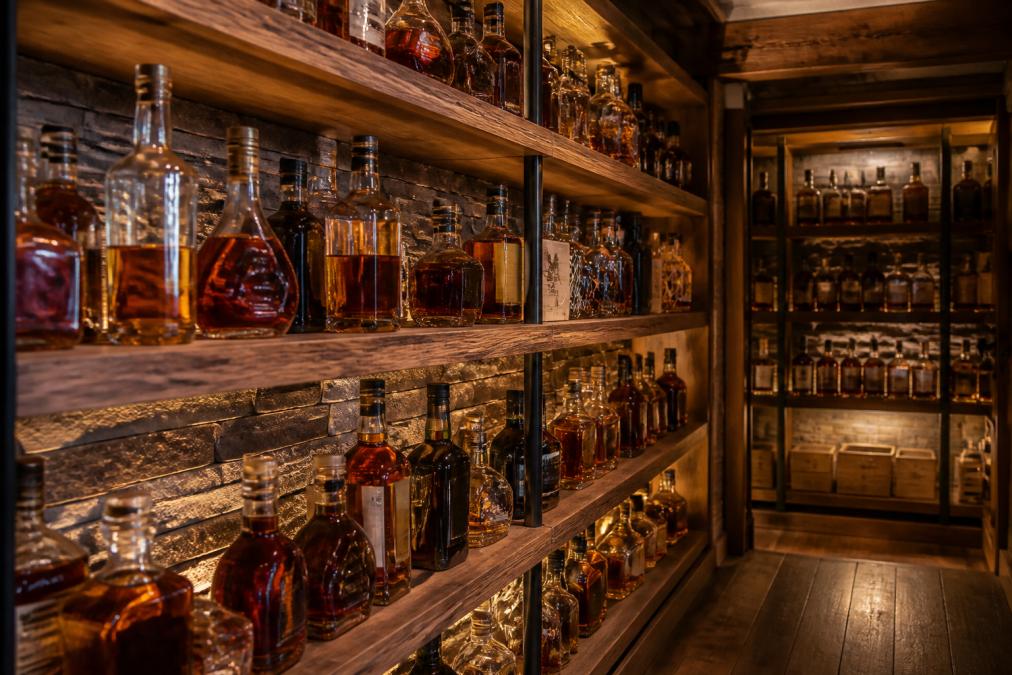
Store bourbon upright, not on its side. Temperature stability matters more than specific temperature. Fluctuating temperatures cause expansion and contraction, compromising the seal. Store your collection in a cool, dark place with minimal temperature variation, a closet, basement, or climate-controlled cabinet works well. Avoid direct sunlight, which degrades the liquid and fades labels.
Humidity should be moderate. Extremely dry conditions can dry out corks; extremely humid conditions can damage labels and create mold.
For collections larger than twenty or thirty bottles, consider dedicated storage solutions. Wall-mounted shelving keeps bottles organized and visible. Climate-controlled cabinets provide optimal conditions if your home environment is unstable.
Keep an inventory of your collection, ideally in your digital tracking app. This prevents accidentally buying duplicates, helps you remember what you own when away from home, and documents your collection for insurance purposes.
Building a bourbon wishlist is fundamentally about understanding your palate, budget, commitment level, and then systematically pursuing bottles that align with those parameters. Start with a clear taste profile, establish a foundation collection, and use digital tools like Bourbon Tracker™ to organize your acquisitions and track your tasting journey. A focused, well-researched wishlist of thirty bottles you genuinely want to drink beats a sprawling list of 200 bottles you'll never acquire. Use your tracking system to stay organized, set realistic budget constraints, and pace acquisitions to match your actual consumption. Your collection should bring you joy through drinking and exploration, not stress through accumulation.
Frequently Asked Questions
What's the best way to organize a large bourbon collection?
Start by categorizing bottles by proof, age statement, distillery heritage, or flavor profile. Use a bourbon tracking app to log each bottle's tasting notes and retail price. Digital tools let you sort by any criteria instantly and add photos. Many collectors organize by drinking frequency, daily drinkers separate from allocated bottles or rare finds. Consistent labeling and regular inventory updates prevent duplicates and help you spot gaps in your collection.
How do I know which bourbon for beginners to start with?
Entry-level bourbons typically cost $25-$50 and offer approachable flavor profiles without overwhelming complexity. Look for small batch or standard proof expressions from established distilleries. Best bourbon for beginners includes wheated bourbons (softer mouthfeel) or lower-proof options (60-80 proof). Taste a few different mash bills at a local bar or tasting event before buying a full bottle. This helps you discover whether you prefer high-rye spice or wheated sweetness before committing to your collection.
What's the difference between vertical and horizontal tasting?
A vertical tasting compares multiple age statements from the same distillery, for example, tasting 4, 6, 8, and 12-year expressions side by side. A horizontal tasting samples the same age or proof from different distilleries. Both exercises develop your palate and reveal how distillation process, cask strength, and charred oak impact flavor. Vertical tastings help you understand how age affects a single brand's profile. Horizontal tastings show how different distillery heritage and mash bills create distinct tasting notes in the same category.
How often should I update my bourbon wishlist?
Review your wishlist monthly to track availability changes and retail price fluctuations. Allocated bottles rotate quickly, checking regularly helps you catch releases before they sell out. As your palate develops through vertical and horizontal tastings, update your priorities. Remove bottles you've tried and didn't enjoy, and add new discoveries. Most bourbon tracking apps send notifications for new releases matching your taste profile, so set alerts for your target bottles. Quarterly deep reviews help you spot patterns in what you're actually buying versus what you planned.
This article was written using GrandRanker