 how-to
Digital Whiskey Inventory Management Tips
Table of Contents
- Why Digital Whiskey Inventory Management Matters
- How to Catalog Your Bourbon Collection Effectively
- Real-Time Tracking and Stock Level Monitoring
- Using a Whiskey Tasting Notes Template for Consistency
- Using AI-Powered Whiskey Recommendations
- Demand Forecasting and Seasonal Planning
- Security, Compliance, and Data Backup Best Practices
- Frequently Asked Questions
Last Updated: September 30, 2026
Why Digital Whiskey Inventory Management Matters
Managing a bourbon collection manually leads to duplicate purchases, scattered tasting notes, and forgotten details when friends ask for recommendations.
Digital whiskey inventory management provides one central place to log bottles, track tasting notes, and access your collection from anywhere without downloading an app.
A proper system prevents duplicate purchases, helps you remember which whiskeys you loved, and builds a collection that reflects your palate instead of impulse buys.
Bourbon Tracker™ is designed exactly for this. It's a free platform built for whiskey enthusiasts who want to organize their collections without friction. You log bottles, add tasting notes, create wishlists, and get AI recommendations tailored to what you actually enjoy. The community features let you share reviews and discover what other collectors are drinking.
How to Catalog Your Bourbon Collection Effectively
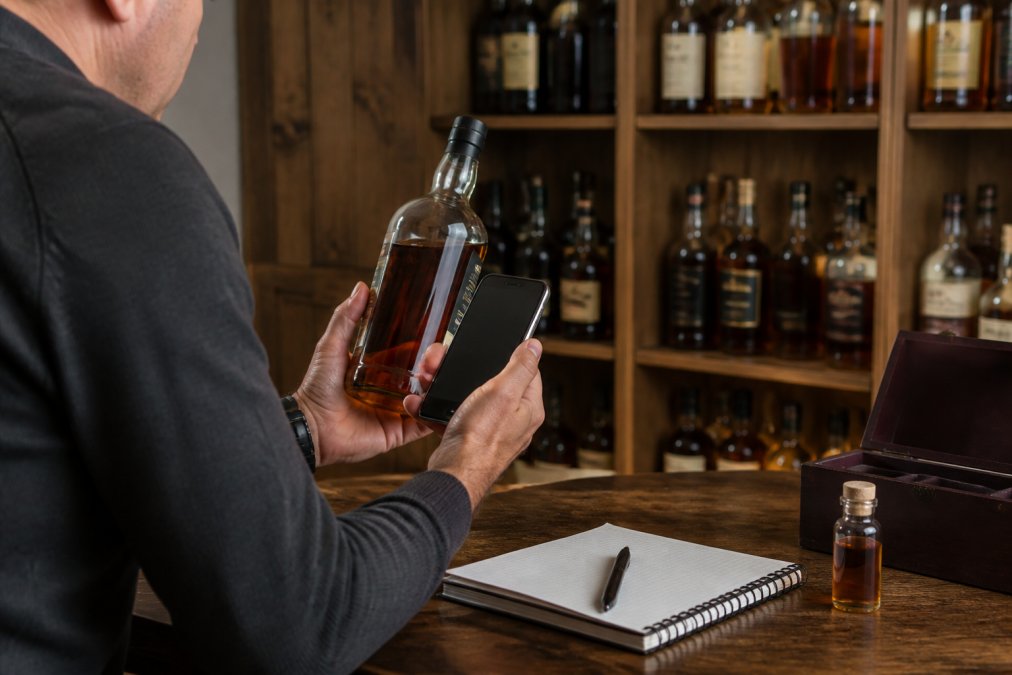
Most collectors track bottle name, proof, age statement, purchase price, and location. Some add tasting notes, distillery details, or rarity flags.
Start by cataloging what you own shelf by shelf. This upfront work is the foundation for everything else.
Here's the practical approach:
- Photograph each bottle for visual reference (optional but helpful)
- Record the distillery and brand name exactly as it appears on the label
- Note the proof and age statement if present (e.g., 100 proof, 12 year)
- Log the purchase price if you remember it (helps with collection valuation)
- Add the purchase date so you know how long you've owned it
- Mark the location where the bottle sits (shelf, cabinet, collection room)
Once basic data is logged, add tasting notes: smoky, spicy, smooth, fruity. Note whether you'd buy it again.
Bourbon Tracker™ logs each bottle once, syncs notes automatically, and handles storage across devices so you never lose data.
Start with name, proof, and location. Add tasting notes later as you drink through your collection.
Real-Time Tracking and Stock Level Monitoring
Real-time tracking shows your inventory instantly across devices. Log a bottle on your phone and it updates everywhere.
Bottle-Level Tracking for Collectors and Retailers
Stock level visibility prevents duplicate purchases, tracks low inventory, monitors aging bottles, and eliminates manual counting.
The best systems sync across devices instantly, so changes on your phone appear on your tablet immediately.
Stock level monitoring enables demand forecasting. Bourbon drinkers often prefer lighter whiskeys in summer and heavier pours in winter.
Bourbon Tracker™ syncs across devices without downloads, keeping your collection data current whether at home or shopping.
Cask and Barrel Tracking for Distilleries and Serious Collectors
Cask tracking requires different data fields, valuation methods, and compliance considerations than bottle tracking.
Cask tracking requires: unique barrel identification (cooperage, wood type, fill date), aging and maturation timelines, angel's share accounting (2-3% annual evaporation), maintenance history, warehouse location and environmental conditions, and periodic revaluation based on age and market demand.
A robust cask tracking system captures: barrel number and cooperage, fill date and spirit details, current age and maturation timeline, warehouse location, current volume and evaporation tracking, cask condition, purchase price and current valuation, tasting notes, and planned use.
Most generic inventory systems lack cask-specific fields and calculation logic needed for aging spirits.
Cask holdings require TTB compliance documentation (fill date, proof, bottling date), inventory reconciliation reports (physical vs. digital counts), and cost accounting integration for work-in-process valuation.
Real-time cask tracking includes logging cask movements, updating maturation status, flagging casks approaching bottling readiness, tracking maintenance, and monitoring valuation changes.
Bourbon Tracker™ supports bottle tracking with customizable fields for location and valuation.
Using a Whiskey Tasting Notes Template for Consistency
A tasting notes template keeps your notes structured so you can compare bottles later instead of using inconsistent descriptors.
A solid whiskey tasting notes template includes these elements:
- Nose (aroma): What do you smell? Vanilla, oak, spice, fruit, smoke?
- Palate (taste): What's the flavor profile? Sweet, spicy, fruity, woody?
- Finish (aftertaste): How long does the flavor linger? What's the final taste?
- Mouthfeel: Is it smooth, oily, dry, warming?
- Overall rating: Simple 1-10 scale or star rating
- Would you buy again? Yes, maybe, or no
Using the same structure lets you flip back through notes and instantly recall what you thought about a bottle.
The template helps when friends ask for recommendations, you can pull up notes and suggest bottles matching their flavor preferences.
Bourbon Tracker™ includes built-in tasting note templates, storing everything so you can compare bottles and recall your thoughts later.
Detailed notes matter most for bottles you're deciding whether to keep or buy again.
Using AI-Powered Whiskey Recommendations
AI recommendations learn your preferences from tasting notes and ratings, then suggest bottles matching your palate.
You log whiskeys and rate them. The AI notices patterns, maybe you prefer high-proof, spicy bourbons or lighter, fruity whiskeys, and suggests bottles you're likely to enjoy.
The algorithm works best when you rate consistently, add detailed tasting notes, mark bottles you'd buy again, and try different styles.
AI recommendations beat generic lists because they're personal, a top-rated bourbon that doesn't match your palate is useless.
Bourbon Tracker™ uses AI to recommend whiskeys based on your collection and ratings, improving over time as the system learns your preferences.
AI recommendations are a starting point, not gospel. Trust your own palate and skip recommendations that don't appeal to you.
Demand Forecasting and Seasonal Planning
Bourbon Tracker™ helps by storing your drinking history. You can see which bottles you've consumed.
Security, Compliance, and Data Backup Best Practices
Your whiskey collection data is valuable. It contains your personal preferences, purchase history, valuation records, and potentially sensitive information about what you own. Protecting it and organizing it for compliance purposes matters, especially if you're managing inventory for tax, insurance, or business purposes.
Data Security Fundamentals
Security best practices for digital whiskey inventory:
- Use a strong, unique password for your account (minimum 16 characters with mixed case, numbers, and symbols)
- Enable two-factor authentication if available to prevent unauthorized access
- Don't share login credentials with others; use sharing or team features instead
- Check privacy settings to control who sees your collection and valuation data
- Back up your data regularly in case of device loss or system failure
- Use a secure internet connection (avoid public WiFi) when logging sensitive details like purchase prices or insurance values
- Review account activity logs periodically to spot unauthorized access attempts
Data backup is critical. If your collection data lives only on your phone and you lose it, you lose everything. A cloud-based system automatically backs up your data. You don't have to think about it. Bourbon Tracker™ stores data securely on cloud servers with automatic backups. Your collection information is protected and synced across devices. If your phone breaks, your data is safe. You log in on a new device and everything is there.
Accounting and Tax Compliance Integration
Insurance Documentation
If you have a valuable collection, your homeowner's or business insurance likely has limits on alcohol coverage. Documenting what you own, with photos, purchase dates, and current values, is essential for claims. Maintaining a precise digital ledger provides the necessary security to protect your investment while you refine the aesthetic details of your home bar setup.
Your digital inventory becomes your insurance record. When you photograph each bottle and log its purchase price, you're building documentation. For high-value bottles (anything over $100-200), also note the current market value if it differs from purchase price. Rare releases often appreciate; knowing the difference matters for coverage and claims.
Bourbon Tracker™ supports photo uploads and stores purchase prices, making it easy to generate a documented inventory list for insurance purposes. You can export your collection data and share it with your insurance agent as proof of what you own.
Cybersecurity for High-Value Collections
Bourbon Tracker™ lets you control visibility on a per-bottle basis. You can share tasting notes publicly while keeping purchase prices and locations private. This balances community engagement with security.
Frequently Asked Questions
What's the best way to track a large whiskey collection without the system slowing down?
A cloud-based digital whiskey inventory management platform handles large collections efficiently by storing data on secure servers rather than your device. Real-time tracking updates instantly as you add or remove bottles, and the interface remains responsive even with 150+ bottles. Look for platforms that use barcode scanning or batch import features to speed up initial cataloging, then maintain accuracy through automated stock level monitoring and regular inventory audits.
How should I structure a whiskey tasting notes template for consistency?
Create a standardized whiskey tasting notes template with these fields: bottle name, distillery, age statement, proof, purchase date, price paid, appearance (color, clarity), nose (primary and secondary aromas), palate (flavor profile, mouthfeel, finish), and overall rating. Include a dedicated section for personal impressions and food pairings. Consistency across entries makes it easier to compare bottles over time and helps AI-powered whiskey recommendations learn your palate preferences, improving suggestion accuracy.
Can AI-powered whiskey recommendations actually predict what I'll enjoy?
AI-powered whiskey recommendations work by analyzing your tasting notes, ratings, and flavor preferences against a database of thousands of bottles. The algorithm identifies patterns in your palate, whether you prefer high-rye bourbons, peated Scotches, or specific flavor notes, and suggests bottles matching those characteristics. Accuracy improves as you log more tastings and ratings. Transparency matters: choose platforms that explain why a recommendation was made so you can verify the logic matches your actual preferences.
What inventory management features prevent costly shrinkage and stockouts?
Real-time tracking helps prevent both shrinkage and stockouts. Regular inventory audits catch discrepancies early.