 ultimate-guide
Advanced Whiskey Collection Management: A 2026 Guide
Table of Contents
- Why Digital Whiskey Collection Management Matters
- Best Tools for Whiskey Collectors
- Whiskey Inventory Tracking Software: Setting Up Your System
- How to Value a Whiskey Collection
- Storage, Security, and Environmental Monitoring
- Tax and Estate Planning for Your Collection
- AI-Driven Insights and Personalized Recommendations
- Conclusion
Last Updated: August 23, 2026
Why Digital Whiskey Collection Management Matters
Whiskey collectors face a real problem: as collections grow beyond 50 bottles, tracking becomes chaotic. You lose sight of what you own, struggle to remember tasting notes, miss opportunities to find bottles that match your palate, and can't easily assess the value of your collection for insurance or estate planning. Manual spreadsheets and notebook systems fail to scale.
Advanced whiskey collection management transforms how enthusiasts approach their hobby. A proper system turns scattered bottles into an organized, valuable asset. It connects you with the broader community, surfaces AI-driven recommendations based on your actual preferences, and provides the data you need for serious decisions about your collection's future.
At Bourbon Tracker™, the platform lets you log tasting notes, track bottle condition and provenance, manage a personal wishlist, and receive intelligent recommendations without downloading anything or paying a cent.
Best Tools for Whiskey Collectors
The market has several options for whiskey inventory tracking software, but they fall into distinct categories based on functionality, ease of use, and community features.
Core Features to Evaluate
When selecting a tool for whiskey collection management, focus on these essentials. A strong barcode scanning system saves hours during setup by capturing bottle data instantly. The ability to log tasting notes and bottle condition details matters because you'll reference these observations when deciding what to open next.
Price history and market valuation tracking are critical if you care about your collection's worth. Tools that pull auction data give you real insight into what your bottles are actually worth today. Community features shouldn't be an afterthought, the best platforms connect you with other collectors and expose you to reviews that influence your next purchase. Bourbon Tracker™ integrates this directly.
Cloud synchronization ensures your collection is accessible from any device without downloading anything.
Barcode Scanning and Data Entry Options
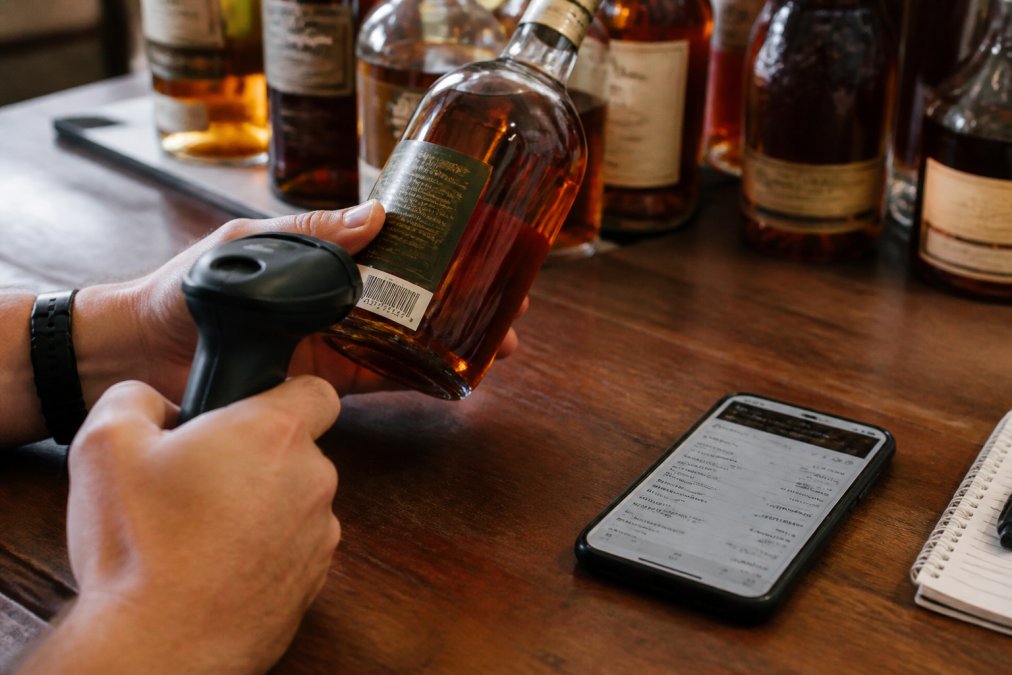
Barcode scanning is the fastest path to a complete inventory. Point your phone at a bottle's barcode and the system auto-populates distillery profile, ABV, cask type, and release year. Not every bottle has a readable barcode, so the best tools make manual entry painless.
Some collectors prefer manual entry because it forces them to engage with each bottle and build deeper familiarity with their collection. Bourbon Tracker™ handles both workflows without friction.
Whiskey Inventory Tracking Software: Setting Up Your System
Getting started with whiskey inventory tracking software requires a clear plan. Structure your approach around how you'll actually use the data.
Manual vs. Automated Data Entry Workflows
Manual data entry forces intentionality and works well for collectors who add bottles slowly. Automated barcode scanning is faster for large collections, if you have 100+ bottles, scanning gets you to a complete inventory in an afternoon. Most collectors use a hybrid approach: scan what you can, manually enter the rest, then gradually add tasting notes over time.
A complete inventory with no tasting notes is infinitely more useful than no system at all. Start by getting everything logged, even if it's just the basics. Bourbon Tracker™ supports this progression, letting you add depth to your collection over time.
Organizing by Spirit Classification and Vintage
Structure your collection by how you actually drink. Most collectors organize by spirit classification first (bourbon, rye, scotch, Irish whiskey, etc.), then by vintage within each category. This mirrors how you think about your collection when deciding what to open.
Vintage matters more than most collectors realize. A 2010 release tastes different from a 2020 release of the same bottle. Your system needs to capture this distinction. Bourbon Tracker™ lets you filter by release year, which becomes essential as your collection grows.
How to Value a Whiskey Collection
Understanding your collection's actual value requires more than adding up what you paid. Market prices shift constantly, rare releases appreciate, and some bottles depreciate.
Using Auction Data and Price History
Auction results are the most reliable indicator of what collectors are actually paying for bottles. Tools that track auction data give you visibility into pricing trends for bottles in your collection.
Price history shows the trajectory, a bottle that's been steadily appreciating is different from one that spiked once and has since leveled off. Many platforms pull data from multiple auction houses and secondary markets. Bourbon Tracker™ aggregates this information so you can see what your collection is worth in real time.
Tracking Bottle Condition and Provenance
Condition directly affects value. A bottle with a perfect label, original packaging, and full fill level commands a premium. Your system needs to capture these details because they drive actual resale value.
Provenance, the documented history of where a bottle came from, matters for rare releases. A bottle with a clear provenance chain is worth more than an identical bottle with unknown history. Your system should let you record it.
Storage, Security, and Environmental Monitoring
How you store your collection determines whether it appreciates or deteriorates. Temperature fluctuations, humidity extremes, and light exposure all degrade whiskey over time.
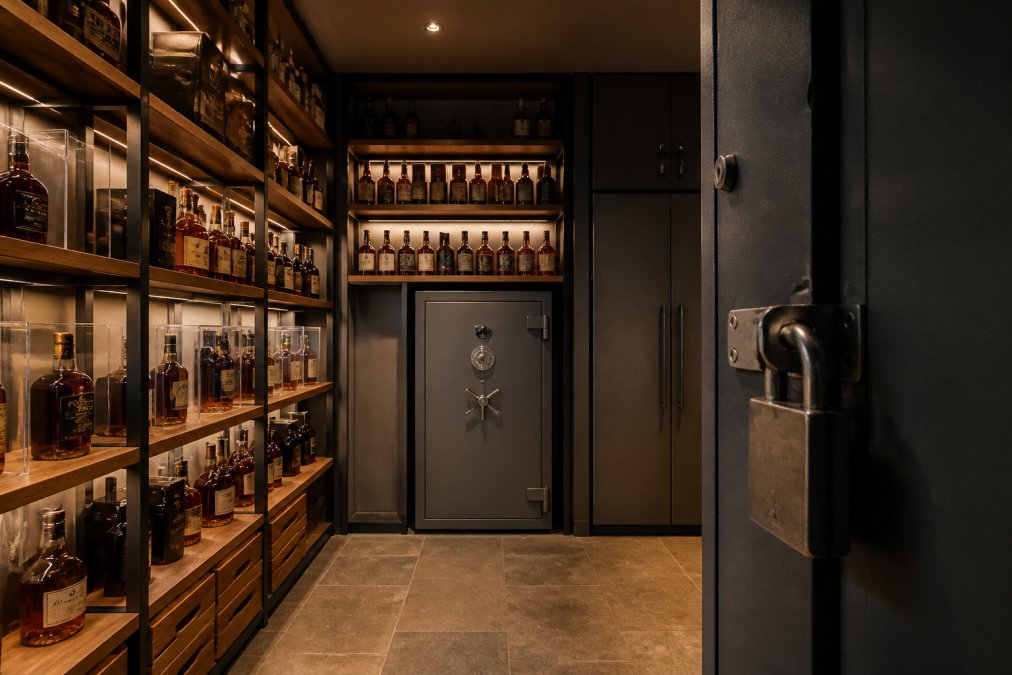
Ideal storage conditions are consistent temperature (around 55-65°F), stable humidity (50-65%), darkness, and protection from vibration (peer-reviewed research). If you're serious about your collection, environmental monitoring is essential.
Security matters if your collection has significant value. A locked cabinet provides basic protection; a dedicated safe or secure storage facility offers more. Your inventory system should track where bottles are stored, since this affects both preservation and accessibility.
Insurance is critical. Your homeowner's policy likely doesn't cover a substantial whiskey collection. Specialized collectors' insurance exists and requires documentation. A complete inventory with photos, acquisition dates, and current valuations makes insurance claims faster and more likely to be approved.
Tax and Estate Planning for Your Collection
A valuable whiskey collection is an asset, and assets trigger tax and estate planning questions. If your collection is worth $25,000 or more, you should have a plan for what happens to it (irs.gov).
For estate planning, your collection needs to be documented and valued. A complete inventory with current market valuations makes it easier for your heirs to understand what they're inheriting and simplifies the probate process.
Tax considerations depend on your situation. If you're buying and selling bottles frequently, the IRS might classify this as a business activity (irs.gov). If you're a collector who occasionally sells a bottle, it's typically treated as a personal asset sale. It's worth discussing with a tax professional if your collection is substantial.
AI-Driven Insights and Personalized Recommendations
The most sophisticated whiskey collection management systems use AI to surface recommendations tailored to your actual palate.
AI recommendations work by analyzing your tasting notes and comparing them to the broader community's experience with similar bottles. If you consistently rate high-rye bourbons with notes of vanilla and oak as your favorites, the system learns this pattern and suggests new releases that match your preferences.
Bourbon Tracker™'s recommendation engine learns from your tasting notes and wishlist activity. The more you engage, the better the recommendations become. Over time, the system understands your palate better than any sommelier could. You discover bottles you'd actually drink instead of chasing hype.
Conclusion
Managing a serious whiskey collection requires more than a spreadsheet. You need a system that tracks inventory, values your bottles accurately, connects you with the community, and helps you discover new bottles that match your palate.
Bourbon Tracker™ does exactly this. Log your bottles through barcode scanning or manual entry, track tasting notes and bottle condition, watch your collection's market value update in real time, and receive AI-powered recommendations based on your actual preferences. Start organizing your collection today with Bourbon Tracker™ and transform scattered bottles into a managed asset you can truly enjoy.
| Feature | Manual Entry | Barcode Scanning | Hybrid Approach |
|---|---|---|---|
| Speed for large collections | Slow (weeks) | Fast (hours) | Moderate (days) |
| Engagement level | High | Low | Medium |
| Initial setup effort | High | Low | Medium |
| Best for collections over 100 bottles | No | Yes | Yes |
| Tasting notes captured upfront | Yes | No | Partial |
Frequently Asked Questions
What data points should I track for each bottle in my whiskey collection?
Track the distillery profile, release year, ABV, cask type, batch number, and bottle condition. Add tasting notes, acquisition price, and current market valuation. For rare releases, document provenance and any certificates of authenticity. This data enables accurate portfolio performance analysis and helps you identify which bottles appreciate over time versus those suitable for tasting experiences.
How do I use auction data to determine the market value of my whiskey collection?
Monitor completed auctions on major platforms to establish price history for comparable bottles. Factor in bottle condition, cask strength variations, and release rarity. Track vintage-specific premiums and how limited editions command higher liquidation value. Most whiskey inventory tracking software integrates price history feeds, allowing you to update your collection's asset valuation automatically as market conditions shift.
Can whiskey collection management tools handle large collections without performance issues?
Cloud-based collection management platforms are designed to handle collections exceeding 150 bottles without slowdown. Data synchronization across devices remains responsive when properly structured. Look for tools offering barcode scanning to speed data entry for large inventories. Test with your first 20-30 bottles to confirm the interface meets your needs before migrating your entire collection.
What's the difference between manual and automated data entry for whiskey inventory tracking?
Manual entry gives you complete control over tasting notes and custom fields but requires significant time investment. Barcode scanning and automated data entry reduce errors and accelerate logging, though some platforms require manual verification of rare or private releases. Hybrid workflows, scanning standard bottles and manually entering details for rare bottles, balance speed with accuracy for serious collectors.
How should I store my collection to preserve bottle value long-term?
Store bottles upright in a climate-controlled environment between 55-65°F with consistent humidity around 60-70%. Avoid direct sunlight and temperature fluctuations. Monitor storage conditions regularly, environmental monitoring systems track temperature and humidity, alerting you to issues before bottles suffer damage. Proper storage preserves both the liquid quality and the bottle's physical condition, protecting your asset's liquidation value.
Should I document my whiskey collection for insurance and tax purposes?
Yes. Maintain detailed records including acquisition dates, purchase prices, current market valuations, and bottle condition for insurance claims. For estate planning, document your collection's total asset value and any rare bottles requiring specialized appraisal. Consult a tax professional about whether your collection qualifies for specific valuation methods. Digital ledgers with timestamped photos provide clear documentation for both insurance and estate purposes.
How do AI-powered recommendations improve my whiskey tasting experience?
AI analyzes your tasting notes, favorite spirit classifications, preferred cask types, and ABV ranges to suggest bottles aligned with your palate. The algorithm learns from your ratings and reviews, refining suggestions over time. Community features let you see how your tastes compare to other collectors, helping you discover rare releases or emerging distillery profiles you might otherwise miss. This personalization accelerates your discovery process beyond manual research.
[EXTERNAL_LINK: Internal Revenue Service guidance on collectibles and personal property | irs.gov]
[EXTERNAL_LINK: American Bourbon Association resources on collection documentation | americanbourbonassociation.com]
[EXTERNAL_LINK: The Scotch Whisky Association specifications and classification standards | scotch-whisky.org.uk]
This article was written using GrandRanker