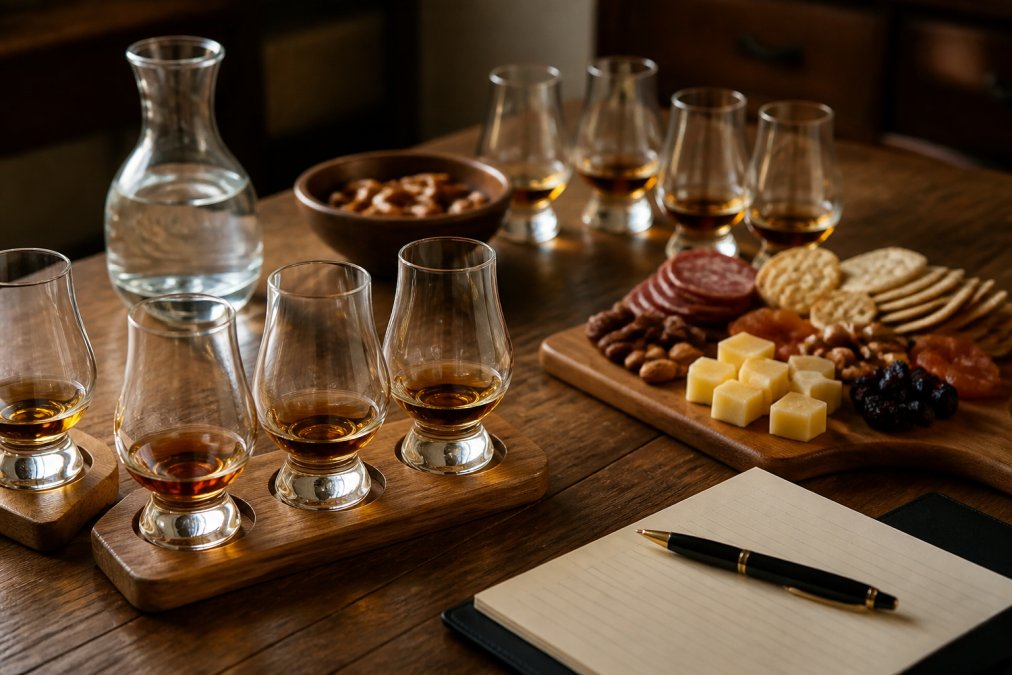
 listicle
10 Easy Whiskey Tasting Party Ideas for Beginners
Table of Contents
- 1. Start With a Bourbon Flight for Beginners
- 2. Use Whiskey Tasting Scorecards to Track Your Notes
- 3. Master Whiskey Tasting Food Pairings
- 4. Host a Blind Whiskey Tasting With Proper Rules
- 5. Set Up the Right Glassware and Accessories
- 6. Create a Budget-Friendly Tasting on a Shoestring
- 7. Build Your Hosting Timeline and Logistics
- Frequently Asked Questions
Last Updated: September 26, 2026
According to industry practitioners, hosting a whiskey tasting party doesn't require expertise or expensive equipment. Many enthusiasts find that the most successful tastings focus on structure, education, and enjoying quality spirits with friends. This guide covers 10 easy whiskey tasting party ideas for beginners, each designed to help you create a memorable experience without the complexity.
Whether you're planning your first tasting or your tenth, the fundamentals remain the same: choose quality bottles, set a clear tasting structure, and create an environment where guests feel comfortable exploring new flavors. Below, we'll walk you through practical strategies that work for groups of any size.
1. Start With a Bourbon Flight for Beginners
A bourbon flight is the simplest way to introduce friends to different whiskey styles without overwhelming them. A flight typically consists of three to five small pours of different bourbons, arranged so guests can taste them in a logical sequence.
Start with a lighter proof bourbon, move to a mid-range proof, and finish with a higher proof or richer bourbon. This progression lets your palate adapt gradually. A common approach is to arrange by age: a younger bourbon, a mid-aged expression, and a premium aged bottle. This structure teaches guests how time in the cask affects flavor.
For beginners, select bourbons from different mash bills if possible. A high-rye bourbon tastes noticeably different from a wheated bourbon, and this contrast makes the tasting educational. Pair the flight with water or a palate cleanser between pours so guests can reset their taste buds.
Many hosts find that a bourbon flight keeps the event focused and prevents guests from sampling too many bottles at once. It also makes your job easier, you're not managing an open bar, just guiding people through a curated experience.
2. Use Whiskey Tasting Scorecards to Track Your Notes
Printable whiskey tasting scorecards transform a casual gathering into a structured learning experience. A scorecard guides guests through the nosing, tasting, and finishing steps while giving them a framework to record their impressions.
A basic scorecard includes sections for color, nose (aroma), palate, finish, and overall impression. Some hosts add a simple rating scale (1-5 or 1-10) so guests can compare their preferences. This approach removes the pressure of "knowing the right way" to taste, everyone's notes are valid.
Many whiskey enthusiasts appreciate having something to write on because it gives them permission to focus. It also creates a keepsake from the event. Guests often keep their scorecards and refer to them later when shopping for bottles.
Design your scorecard to be simple. Include space for the bourbon name, proof, and age, then leave room for tasting notes. You can create a basic scorecard in Google Docs or Word in under five minutes. Print one for each guest, and provide pencils at the tasting table.
A scorecard also helps less experienced tasters feel confident. Instead of worrying about sounding knowledgeable, they're simply documenting what they smell and taste. This removes intimidation and makes the event more inclusive.
3. Master Whiskey Tasting Food Pairings
The right food elevates a whiskey tasting party from pleasant to memorable. Food pairings don't need to be complicated, simple, high-quality ingredients work best.
Bourbon pairs exceptionally well with dark chocolate, aged cheese, and charcuterie. A sharp cheddar or aged Gouda complements the caramel and oak notes in bourbon. Dark chocolate with 70% cocoa or higher echoes the cocoa and vanilla notes many bourbons contain. Cured meats like prosciutto or smoked sausage add salt and umami that balance bourbon's sweetness.
For lighter bourbons, consider fresh fruit like apple slices or pear. These pair well with wheated bourbons, which tend to be softer and sweeter. For richer, higher-proof bourbons, lean into heavier foods: candied pecans, smoked nuts, or even a small piece of pecan pie.
Avoid spicy foods and strong flavors that compete with the whiskey. Wasabi, hot sauce, or heavily seasoned chips will overpower the subtle tasting notes. Keep the focus on the bourbon.
Many hosts create a simple charcuterie board with two or three cheese options, some cured meat, dark chocolate, and nuts. This approach requires minimal preparation and appeals to most guests. Set up the food on a separate table from the tasting glasses to prevent accidental mixing.
4. Host a Blind Whiskey Tasting With Proper Rules
A blind tasting removes brand bias and forces guests to evaluate the whiskey on its actual merits. This approach works especially well for groups that include both experienced and novice tasters.
To run a blind tasting, cover the bottle labels with foil or place bottles in opaque bags. Number each pour (1, 2, 3, etc.) and have guests taste in order without knowing what they're drinking. After everyone has tasted and recorded notes, reveal the bottles and discuss how their impressions compared to expectations.
The key rule for a blind tasting is honesty. Guests should taste and form opinions before discussing with others. If people share impressions before tasting, it influences what others smell and taste. Set a rule that everyone tastes silently and records notes before any conversation.
Many tasters are surprised by blind tastings because they discover they don't always prefer the most expensive bottle. A $40 bourbon might rank higher than a $80 expression when tasted blind. This insight is valuable for building a personal collection without overpaying for prestige.
Blind tastings also level the playing field between experienced and novice tasters. Someone with less bourbon knowledge might identify flavors that an expert missed. The absence of brand information creates a more democratic tasting environment.
5. Set Up the Right Glassware and Accessories
The glassware you choose affects how guests experience the whiskey. A Glencairn glass is the standard for whiskey tasting because its shape concentrates aromas at the top while allowing the drinker to nose and sip comfortably.
If you don't have Glencairn glasses, a tulip-shaped wine glass works as a substitute. Avoid wide-mouthed glasses or tumblers, they disperse aroma instead of concentrating it. You need at least one glass per guest, plus extras in case someone wants to compare two bourbons side by side.
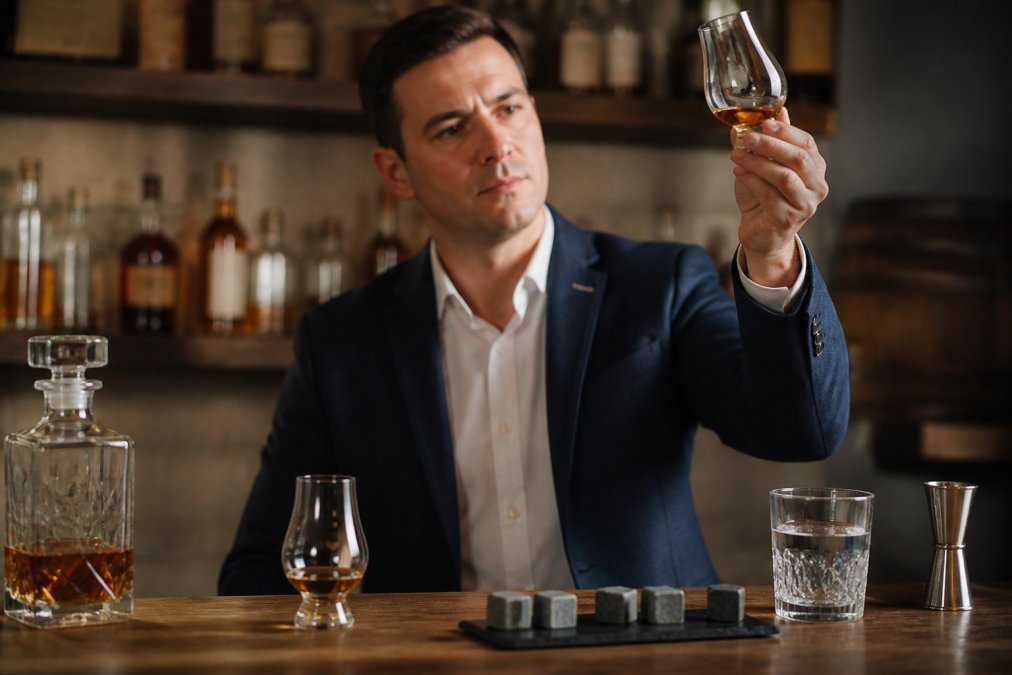
Beyond glasses, keep a few accessories on hand. Whiskey stones (chilled cubes of soapstone or stainless steel) let guests chill their bourbon without diluting it with ice. A water pitcher and small glasses for palate cleansing are essential. Many hosts also provide a spittoon or small cup for guests who want to taste without swallowing, this keeps people sober and extends the tasting.
A decanter is optional but adds visual appeal.
6. Create a Budget-Friendly Tasting on a Shoestring
You don't need premium bottles to host a memorable whiskey tasting party. Many excellent bourbons cost under $30, and a flight of three mid-range bourbons creates a satisfying tasting experience.
7. Build Your Hosting Timeline and Logistics
A successful whiskey tasting party requires planning. Create a timeline so you're not scrambling at the last minute.
| Timeline Item | When | Duration |
|---|---|---|
| Invitations sent | 2 weeks before | Ongoing |
| Bottles purchased | 1 week before | 1 day |
| Scorecards printed | 3-4 days before | 1 hour |
| Table setup | 1 hour before | 30 minutes |
| Welcome and intro | Start of event | 5 minutes |
| Per bourbon tasting | During event | 8-10 minutes each |
| Discussion and reveal | End of event | 15-20 minutes |
Frequently Asked Questions
How do you structure a whiskey tasting party for beginners?
Start by selecting 3-5 whiskies at varying proof levels and flavor profiles. Pour 0.5 to 1 ounce of each spirit into Glencairn glasses. Guide guests through nosing first (aroma), then tasting (palate), and noting the finish. Use a tasting scorecard to record observations. Serve palate cleansers like water or crackers between pours. Keep the tasting to 60-90 minutes to avoid palate fatigue. Bourbon Tracker™ lets you log tasting notes digitally so you can review and compare impressions later.
What whiskey tasting scorecards should beginners use?
A basic scorecard should include fields for the whiskey name, nose (aroma), palate (flavor), finish (aftertaste), and overall rating. Note color, mouthfeel, proof, and any tasting notes like vanilla, oak, or spice. Printable scorecards help guests stay organized and create a record of the event. Bourbon Tracker™ offers a digital tasting note feature that eliminates paper clutter and lets you build a searchable library of your impressions over time.
What are the best whiskey tasting food pairings?
Pair bourbon and rye with aged cheddar, smoked meats, and dark chocolate. Single malt pairs well with mild cheeses, nuts, and dried fruit. Avoid spicy foods that overwhelm the palate. Crackers, bread, and plain cookies serve as neutral palate cleansers between pours. Charcuterie boards with cured meats, cheese, and fruit are ideal for social tastings. Skip citrus and vinegar-based dishes, which can mask subtle whiskey flavors.
How do blind whiskey tasting rules work?
In a blind tasting, cover bottle labels so guests cannot see brand or proof. Pour identical amounts into identical glasses. Guests evaluate aroma, taste, and finish without brand bias influencing their judgment. After tasting, reveal the bottles and discuss whether expectations matched reality. This method teaches palate recognition and prevents brand loyalty from skewing opinions. It's excellent for beginners learning to identify flavor profiles independently of marketing or price.
What's the most budget-friendly way to host a whiskey tasting party?
Select 3-4 mid-range bourbons ($25-$50 per bottle) instead of premium options. Buy half-bottles to reduce cost while still offering variety. Host a potluck-style event where guests contribute snacks. Use regular drinking glasses if Glencairns aren't available. Bourbon Tracker™ is free and helps you plan tastings by tracking which bottles you already own, avoiding duplicate purchases.