 listicle
Is a Whiskey Tasting Class Worth the Cost?
Table of Contents
- What to Expect at a Bourbon Tasting
- Average Cost of Whiskey Tasting Classes
- In-Person Classes vs. Home Tastings: The Real Value
- How to Host a Whiskey Tasting at Home
- Hidden Costs and ROI of Formal Tasting Education
- Matching Your Skill Level to the Right Experience
- The Verdict: Is a Whiskey Tasting Class Worth It?
- Frequently Asked Questions
Last Updated: September 23, 2026
What to Expect at a Bourbon Tasting
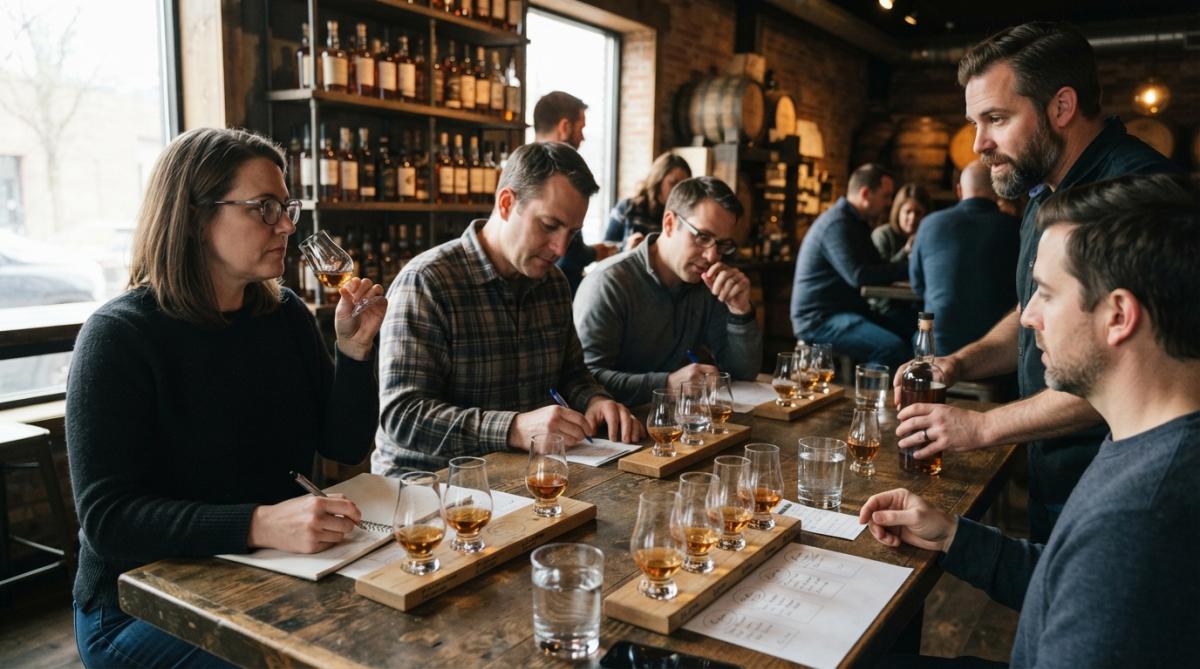
A bourbon tasting is a structured sensory experience where you examine and evaluate whiskey expressions across multiple dimensions, and determining if a whiskey tasting class is a whiskey tasting class worth the cost requires understanding what that experience actually delivers. The experience typically involves a small group of participants tasting 3-5 different whiskeys, guided by an expert who walks you through nosing, palate analysis, and finish evaluation.
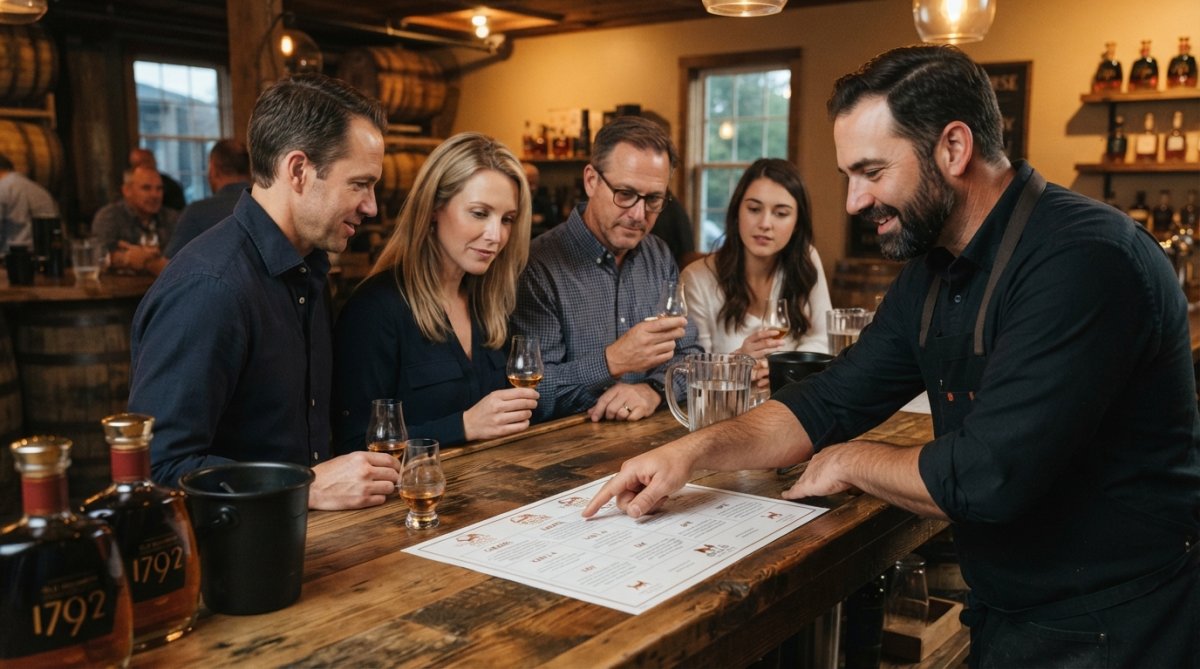
Most formal tastings follow a predictable format. You'll receive a tasting mat, a printed guide with notes on each expression's origin, proof, and flavor profile. The expert will guide you through proper nosing technique, teaching you to identify specific aromas before you taste. Then comes the palate evaluation: a small pour (typically 0.5 ounces) that you'll hold in your mouth briefly to let the flavors develop. Finally, you'll assess the finish, how the whiskey lingers after you swallow.
What makes this different from pouring a drink at home? The structure. A guided tasting removes guesswork. Instead of wondering what you're supposed to taste, an expert points out specific flavor notes and teaches you why those notes matter. You learn the sensory vocabulary, how to distinguish caramel from oak, spice from heat, complexity from harshness.
The social atmosphere matters too. Most tastings are group experiences. You're tasting alongside others, discussing impressions, and often learning from what other participants notice. This shared discovery aspect keeps the experience engaging rather than clinical.
Average Cost of Whiskey Tasting Classes
The price range for whiskey tasting experiences varies significantly based on format and location. In-person retail tastings at major spirits retailers typically run $30-$60 per session. Distillery tours with guided tastings range from $18-$40 per person, depending on the facility and the premium of the expressions included. Specialty whiskey bars and tasting rooms charge $35-$50 for curated flights. Subscription-based home tasting programs like Flaviar vary by subscription tier but generally fall in the $50-$150 range per shipment.
The key variable is what you're actually paying for. A $30 retail class might include three 1-ounce pours and basic education. A $50 distillery experience includes the facility tour, behind-the-scenes access, and direct interaction with distillers. A $100+ premium masterclass includes rare expressions, advanced technical education, and often a smaller group size with more personalized attention.
For context, a single bottle of premium bourbon can cost $60-$150 or more. A tasting that lets you sample five premium expressions for $50 gives you access to $300+ worth of whiskey without buying full bottles. This is the real value proposition, you're paying for sampling, not for the education alone.
In-Person Classes vs. Home Tastings: The Real Value
In-person classes and home tastings serve different purposes, and choosing between them depends on what you actually want from the experience.
In-person classes offer expertise and curation you can't replicate alone. A sommelier or distillery educator has tasted hundreds of expressions and knows how to sequence them for maximum learning. They can answer specific questions about production, aging, and regional differences. They provide context that transforms tasting from guessing game into genuine education. The social element also matters, group tastings create accountability and engagement that solo tastings often lack.
Home tastings offer flexibility and cost savings. You control the timing, the environment, and the specific whiskeys you want to explore. You're not paying for venue overhead or instructor labor. For collectors already building a personal collection, home tastings let you systematically evaluate what you own. You can pause, revisit, and take notes without feeling rushed.
The real difference comes down to learning velocity. A formal class compresses weeks of self-directed learning into two hours. An expert fills knowledge gaps you didn't know you had. A home tasting lets you learn at your own pace but requires more discipline and prior knowledge to extract real value.
For most people starting out, a single in-person class provides enough education to dramatically improve your home tastings afterward. You learn the methodology, the vocabulary, and the sensory framework. Then you can apply that knowledge to your own collection without paying for every session.
How to Host a Whiskey Tasting at Home
Hosting a home tasting requires minimal equipment but demands intentional structure. Start with the basics: five bourbon or whiskey expressions, five tulip-shaped glasses (or any narrow glasses, avoid wide bowls that dissipate aroma), water for palate cleansing, and a printed tasting guide or notebook. While standard glassware suffices for casual sessions, investing in premium whiskey glasses can significantly enhance the sensory evaluation of complex spirits.
The sequence matters. Arrange your whiskeys from lightest to darkest, or from lowest to highest proof. This prevents palate fatigue and ensures you can taste subtle differences. Start with the mildest expression and work toward the boldest. Your palate becomes less sensitive as you taste, so saving the most complex whiskey for last makes sense.
Follow this tasting methodology for each expression:
Appearance (30 seconds): Examine the color and clarity. Note whether it's pale gold, deep amber, or mahogany. This tells you something about age and barrel type.
Nosing (1-2 minutes): Bring the glass to your nose and inhale gently. Identify specific aromas, vanilla, oak, spice, fruit, caramel. Don't overthink it. What do you smell? Write it down. Then take a second nosing after a brief pause; your palate adapts and new aromas emerge.
Palate (20-30 seconds): Take a small sip, about half a teaspoon. Let it coat your mouth for a few seconds before swallowing. Focus on the flavors that emerge: sweetness, spice, heat, smoothness. Is the texture creamy or thin? Does it burn or warm?
Finish (1 minute): After swallowing, notice what lingers. Does the flavor fade quickly or persist? Is the finish smooth, dry, or spicy? The finish often reveals the most about barrel quality and aging.
Palate cleanser: Between expressions, drink water or eat a plain cracker to reset your palate. This prevents one whiskey from influencing your perception of the next.
| Step | Duration | Focus |
|---|---|---|
| Appearance | 30 seconds | Color, clarity, age indicators |
| Nosing | 1-2 minutes | Aroma identification, second pass |
| Palate | 20-30 seconds | Flavor, texture, heat |
| Finish | 1 minute | Persistence, quality, lingering notes |
| Palate reset | 1-2 minutes | Water, crackers, or sorbet |
Keep a tasting notebook. Write down the whiskey name, proof, and your notes for each step. Over time, this creates a personal reference guide. You'll notice patterns in what you like, maybe you prefer higher-proof bourbons, or you're drawn to wheated recipes. This self-knowledge is invaluable when you're shopping or exploring new bottles.
Hidden Costs and ROI of Formal Tasting Education
The sticker price of a whiskey tasting class doesn't tell the whole story. Several hidden factors affect the real value you're getting.
Opportunity cost of time: A two-hour in-person class requires travel, parking, and time away from other activities.
Consider also what you're not spending money on. A tasting that helps you identify your actual preferences prevents wasteful bottle purchases. If a class saves you from buying three bottles you wouldn't have enjoyed, it's paid for itself.
Matching Your Skill Level to the Right Experience
Not all tastings are created equal, and the wrong choice wastes money and creates frustration.
The Verdict: Is a Whiskey Tasting Class Worth It?
Whether a whiskey tasting class is a whiskey tasting class worth the cost depends on whether it teaches you something you'll use repeatedly. If you're a casual drinker who enjoys bourbon occasionally, a single $40 retail tasting provides enough education to enhance your home experience permanently. You'll taste more thoughtfully, understand what you're experiencing, and enjoy bottles more deeply. That's a one-time investment with ongoing returns.
Frequently Asked Questions
What should I expect from a professional whiskey tasting class?
Professional whiskey tasting classes typically include guided flights of 3-5 whiskeys, instruction on tasting methodology (nosing, palate development, finish analysis), and expert commentary on flavor profiles, distillation, and aging. Many classes provide tasting mats with notes, and some include Q&A with industry professionals. The sensory experience is structured to help you develop your palate and understand what distinguishes different whiskeys.
How much does a typical whiskey tasting class cost?
Entry-level in-person classes at retail locations range from $30-$60 per session. Distillery tours with tastings cost $18-$40 per person. Subscription-based home tasting boxes vary by plan. Costs vary based on the number of pours, rarity of selections, and instructor expertise. Always check venue websites for current pricing.
Can I learn the same things at home as in a whiskey tasting class?
You can develop tasting skills at home, but formal classes offer structured methodology, expert guidance, and curated selections that accelerate learning. Home tastings let you progress at your own pace and build a personal database using tools like Bourbon Tracker™, but you miss real-time feedback and the social atmosphere. The best approach often combines both: formal classes for foundational education, home tastings for practice and preference tracking.
Is a whiskey tasting class better for beginners or experts?
Beginners benefit most from structured in-person classes, which teach tasting methodology and flavor terminology. Experts may find more value in specialized masterclasses, rare-bottle experiences, or subscription boxes featuring hard-to-find expressions. Skill-level matching matters: entry-level classes focus on fundamentals, while advanced courses explore production nuances and regional distinctions. Choose based on your current knowledge and learning goals.
A whiskey tasting class is worth the cost if you're serious about understanding what you're drinking. The education, the structure, and the expert guidance accelerate your learning in ways that casual home tasting can't match. Start with one formal experience, apply what you learn to your collection, and track your progress systematically. That combination, formal education plus intentional practice, delivers real value that justifies the investment.