 listicle
5 Best Whiskey for Beginners: Top Picks & Tasting Tips
Table of Contents
- The 5 Best Whiskey for Beginners: Quick Comparison
- Why These 5 Whiskeys Made the Cut for New Drinkers
- 1. Jameson Irish Whiskey: The Smooth Starter
- 2. Buffalo Trace Bourbon: The Classic Entry Point
- 3. Glenfiddich 12 Year Old: Your First Single Malt Scotch
- 4. Four Roses Small Batch: Bourbon's Mellow Middle Ground
- 5. Woodford Reserve: A Premium Step Up
- Whiskey vs Bourbon vs Scotch: What's the Difference?
- Frequently Asked Questions
Last Updated: September 8, 2026
Walking into a liquor store as a newcomer can feel overwhelming, with hundreds of bottles and unfamiliar terminology lining the shelves. The best whiskey recommendations for beginners focus on approachable flavor profiles rather than the peatiest, highest-proof bottles that scare off new drinkers. Below, we'll break down five whiskeys that consistently win over newcomers, explain why they work, and give you the tasting vocabulary to describe what you're drinking.
The 5 Best Whiskey for Beginners: Quick Comparison
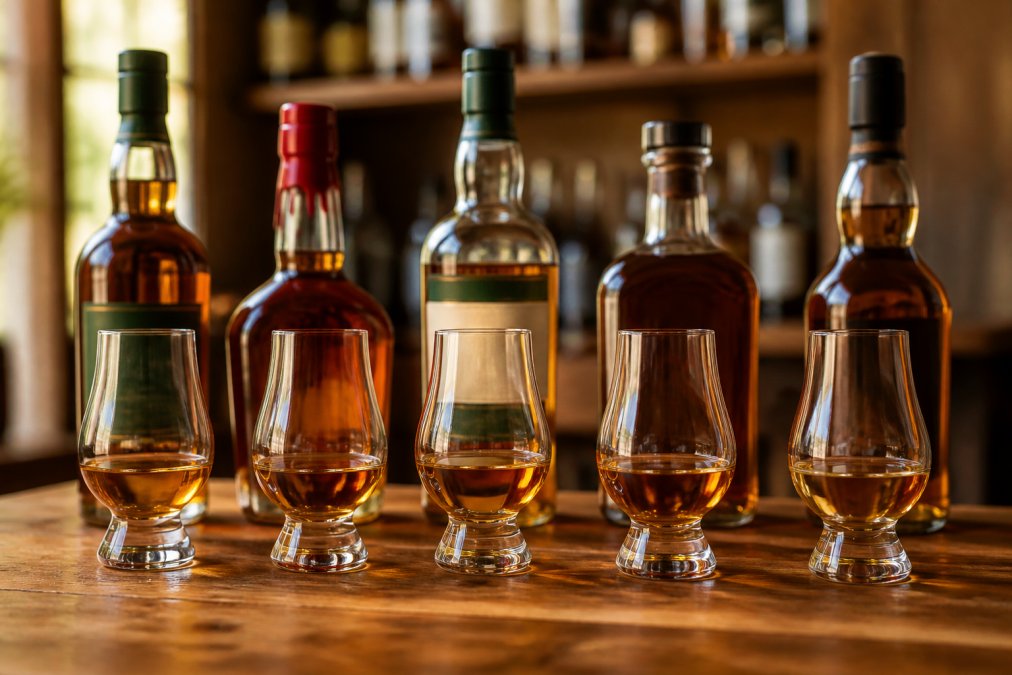
Whiskey for beginners should prioritize smoothness, approachable flavors, and reasonable prices over rarity or intensity. The five bottles below represent the sweet spot across the three major styles: Irish, Bourbon, and Scotch. Each one is widely available, forgiving on the palate, and priced to encourage experimentation without breaking the bank.
| Whiskey | Style | Flavor Profile | Best For |
|---|---|---|---|
| Jameson | Irish | Light, floral, spicy wood | Newcomers who find spirits too harsh |
| Buffalo Trace | Bourbon | Vanilla, oak, molasses | Versatile daily sipper |
| Glenfiddich 12 | Single Malt Scotch | Fresh pear, subtle oak | Scotch-curious beginners |
| Four Roses Small Batch | Bourbon | Rich fruit, soft spice | Smoother bourbon entry |
| Woodford Reserve | Bourbon | Dried fruit, vanilla, cocoa | Premium step-up bottle |
TL;DR:
- Jameson is the most forgiving introduction to whiskey overall
- Buffalo Trace offers the classic bourbon experience at a fair price
- Glenfiddich 12 is your gateway to single malt Scotch
- Four Roses Small Batch sits between entry-level and premium
- Woodford Reserve is worth the upgrade once your palate develops
Why These 5 Whiskeys Made the Cut for New Drinkers
A common mistake is recommending cask strength or heavily peated whiskeys to beginners, which often results in a burned palate and a wasted purchase. The selection process here focused on three criteria: approachability, availability, and value. Each bottle has a proven track record of converting casual drinkers into enthusiasts, according to spirits industry tasting notes and consumer reviews.
The flavor profiles across these picks cover the full spectrum of what whiskey offers. You get the light floral character of Irish whiskey, the caramel undertones and charred oak of bourbon, and the fruit-forward style of Speyside Scotch. This range lets you identify which style resonates with your palate before spending money on more expensive, niche expressions.
What most guides miss is that your first whiskey should also work in a cocktail. Jameson and Buffalo Trace both shine in mixed drinks, giving you flexibility while you develop your palate. The idea is to build confidence through versatility, not force yourself through a challenging neat pour on day one.
1. Jameson Irish Whiskey: The Smooth Starter
Jameson is the benchmark for smoothness in the whiskey world, and for good reason. This triple-distilled Irish whiskey undergoes a process that strips away harsh compounds, leaving a light, floral character with subtle spicy wood notes. At roughly $25 a bottle, it's the most affordable entry point on this list and arguably the most forgiving.
The flavor profile stays delicate: think light vanilla sweetness with a gentle spice kick on the finish. It lacks the depth of aged single malts, but that's precisely the point. Jameson exists to ease you into the category without overwhelming your senses. The low proof and smooth mouthfeel make it dangerously easy to sip, which is exactly what you want when learning how to taste whiskey for beginners.
2. Buffalo Trace Bourbon: The Classic Entry Point
Buffalo Trace Kentucky Straight Bourbon is the bottle that belongs on every beginner's shelf. Aged in new charred oak barrels, it delivers the textbook bourbon profile: vanilla, oak, and molasses with a satisfying warmth that never turns aggressive. Its starting price reflects its quality, though the distillery's popularity means it can occasionally be hard to find in certain markets.
What makes Buffalo Trace special is its balance. The sweetness from the corn mash bill plays nicely against the oak tannins, creating a flavor profile that works neat, on the rocks, or in an Old Fashioned. For newcomers, it demonstrates why bourbon has become the dominant American spirit without demanding you acquire a taste for it first.
The one drawback is availability. High demand means some retailers limit purchases or sell out quickly. If you spot it at a reasonable price, grab it, because it won't linger on the shelf. This is the bottle that teaches you what bourbon should taste like.
3. Glenfiddich 12 Year Old: Your First Single Malt Scotch
Glenfiddich 12 Year Old is the world's best-selling single malt Scotch, and that popularity stems from its remarkable approachability. Aged for 12 years in American and European oak casks, it offers distinctive notes of fresh pear and subtle oak with a creamy, smooth finish. It's a modest investment that pays off in expanding your whiskey horizons.
Unlike the peated whiskies of Islay that intimidate many newcomers, Glenfiddich represents the Speyside style: light, fruity, and elegant. The maturation process in oak casks imparts gentle sweetness rather than smoke, making it an ideal bridge for bourbon drinkers curious about Scotch. You get the complexity of a 12-year-old spirit without the challenging peat smoke that often repels beginners.
This bottle also introduces you to the concept of age statements. The 12 years of maturation create a smoothness that younger Scotches struggle to match, teaching you why time in oak matters.
4. Four Roses Small Batch: Bourbon's Mellow Middle Ground
Four Roses Small Batch sits in a sweet spot between entry-level bourbons and premium offerings. The distillery blends four unique bourbon recipes to create a mellow, smooth flavor profile with notes of rich fruit and soft spices. It delivers sophistication without the aggressive bite that turns off new drinkers.
What distinguishes Four Roses is its gentle nature. The lower proof makes it incredibly approachable, though experienced drinkers sometimes find it thin. For beginners, that restraint is a feature, not a bug. You can actually taste the components, the sweetness, the spice, the oak, without fighting through alcohol heat.
The small batch production ensures consistency from bottle to bottle, which matters when you're learning to identify flavors. This is the bottle to buy when you want to move beyond basic bourbon but aren't ready for cask strength offerings. It teaches you about blending and how different mash bills create distinct flavor profiles.
5. Woodford Reserve: A Premium Step Up
Woodford Reserve represents the graduation bottle for beginners ready to explore premium bourbon. Distilled in copper pot stills, a nod to traditional methods, it delivers notes of dried fruit, vanilla, and cocoa with a polished, smooth mouthfeel. It costs slightly more than other entries but justifies every dollar.
The copper pot still distillation gives Woodford Reserve a distinctive character that sets it apart from column still bourbons. You'll notice a richer viscosity and more complex aroma that rewards slower sipping. This is the bottle that teaches you about mouthfeel and finish, two concepts that become important as your palate develops.
Where it falls short is price. For beginners on a tight budget, the value proposition is weaker than Buffalo Trace. But if you're ready to invest in understanding what premium bourbon tastes like, Woodford Reserve delivers a lesson you won't forget.
Whiskey vs Bourbon vs Scotch: What's the Difference?
Whiskey is the umbrella category, a distilled spirit made from fermented grain mash and aged in wooden containers. Bourbon and Scotch are specific types of whiskey with distinct production rules that dramatically affect flavor.
Bourbon must be made in the United States from a mash bill containing at least 51% corn and aged in new charred oak barrels. That corn base creates the characteristic sweetness with caramel undertones and vanilla notes. Scotch, by contrast, comes exclusively from Scotland and is typically made from malted barley, with many expressions featuring the peat smoke that defines the region's character.
The whiskey vs bourbon vs scotch differences come down to three factors: grain, barrel, and region. Bourbon's new charred oak barrels impart aggressive vanilla and oak flavors, while Scotch often uses reused barrels that allow the spirit's character to shine through. Irish whiskey, like Jameson, is typically triple-distilled for extra smoothness and lacks the smoky intensity of many Scotches.
Understanding these categories helps you read a whiskey label with confidence. Terms like single malt, meaning malted barley from one distillery, and blended, meaning a mix of grain and malt whiskeys, become decipherable once you grasp the production basics. The TTB regulations on whiskey labeling standards provide official definitions, though the practical differences matter more for your tasting experience.
How to Taste Whiskey for Beginners
Learning how to taste whiskey for beginners starts with your senses, not your wallet. Begin by examining the color, which hints at barrel aging, then bring the glass to your nose without sticking your face inside. Take short sniffs to identify the aroma: vanilla, caramel, fruit, or spice.
Take a small sip and let it coat your entire tongue before swallowing. Notice the initial flavors, the mouthfeel, and the finish that lingers afterward. If the alcohol burn bothers you, add a drop of water or try the whiskey on the rocks to open up the flavors. The Distilled Spirits Council's beginner tasting guide recommends starting with lower proof bottles and working your way up as your palate acclimates.
How to Read a Whiskey Label
How to read a whiskey label comes down to understanding a few key terms. The age statement tells you the youngest whiskey in the bottle, so a 12-year-old Scotch means every drop aged at least that long. The proof or ABV indicates alcohol content, with higher proofs delivering more intensity and burn.
Look for the mash bill on bourbons, which reveals the grain recipe, and production terms like single barrel, small batch, or cask strength. These phrases signal how the whiskey was made and often predict its flavor intensity. A label reading "straight bourbon" means aged at least two years with no added coloring or flavoring, while "bottled in bond" guarantees specific production standards.
Whiskey and Food Pairing for Beginners
Whiskey and food pairing for beginners is an overlooked way to enhance both experiences. Bourbon's vanilla and caramel notes pair beautifully with dark chocolate or grilled meats, while the fruit-forward character of Speyside Scotch complements aged cheeses and apple desserts. Jameson's light profile works surprisingly well with oysters or citrus-based dishes.
Start with simple pairings: a bourbon with a piece of dark chocolate, or a Scotch with sharp cheddar. The whiskey cleanses your palate between bites while the food highlights different flavor notes in the spirit. This practice accelerates your tasting education faster than drinking alone ever will.
Handling the Burn Factor
The burn factor deters more beginners than any other aspect of whiskey. That burning sensation comes from the alcohol content, not poor quality, and it fades as your palate develops. Start with lower proof whiskeys like Jameson or Four Roses, which sit around 80 proof, before attempting higher ABV offerings.
Adding ice, water, or mixing with ginger ale are all legitimate ways to enjoy whiskey while building tolerance. The goal is gradual exposure, not proving your toughness. Within a few weeks of regular tasting, the burn diminishes and you'll start noticing the flavors beneath the alcohol.
Tracking Your Tasting Journey
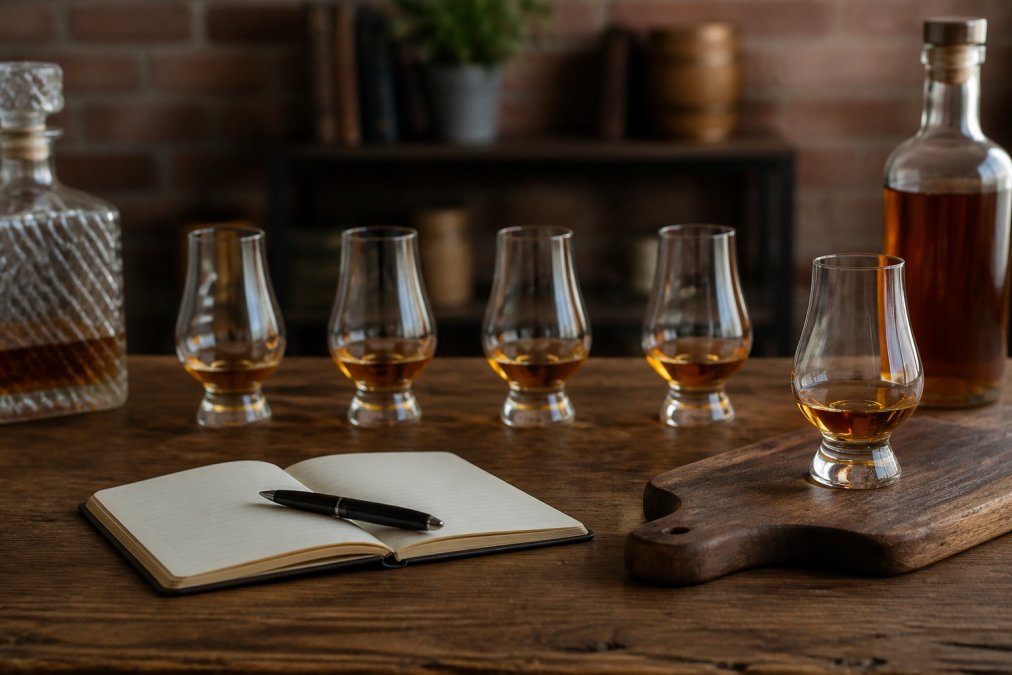
As you work through these five whiskeys, you'll notice your preferences sharpening. Maybe bourbon's sweetness appeals more than Scotch's fruitiness, or perhaps you crave the complexity that comes with higher proofs. This is where Bourbon Tracker™ becomes your essential companion, letting you log tasting notes, rate each bottle, and track your evolving palate without needing a notebook.
The platform's AI-powered recommendations learn from your ratings to suggest new bottles aligned with your tastes, while the community features connect you with fellow enthusiasts sharing similar preferences. You can build a wishlist of bottles to try next and track which expressions deserve a permanent spot on your shelf. Best of all, it requires no download and remains free, so you can start organizing your collection immediately.
Frequently Asked Questions
What is the best whiskey to start with for a beginner?
Jameson Irish Whiskey is often the best starting point for beginners. Its triple-distillation process creates a notably smooth, light, and forgiving profile that lacks the aggressive burn found in some other styles. It is also affordable and widely available. If you prefer a bourbon, Buffalo Trace offers a classic, balanced vanilla-and-oak flavor that is equally approachable. Both are excellent choices to develop your palate without feeling overwhelmed.
Which is the smoothest whiskey for beginners?
Jameson Irish Whiskey is widely considered the smoothest whiskey for beginners due to its triple-distillation process, which removes more impurities and creates a lighter, cleaner spirit. Four Roses Small Batch Bourbon is another very smooth option, known for its mellow and soft spice notes. If you are sensitive to the burn often associated with whiskey, starting with one of these two will give you a much more pleasant first experience.
How should a beginner drink whiskey for the first time?
For your first taste, try the whiskey neat in a glass, but take only a tiny sip. Let it coat your tongue to understand the flavor profile. If the alcohol burn, or proof, is too intense, add a few drops of water or one large ice cube. This opens up new aromas and reduces the burn. Avoid mixing it with soda on the first try, as the sweetener can mask the very flavors you are trying to learn.
Does price determine the quality of whiskey for a beginner?
No, price does not determine quality for a beginner. Many exceptional bottles, like Buffalo Trace and Jameson, are priced as entry-level options. A higher price often reflects age, rarity, or higher proof, not necessarily a better taste for someone new. For beginners, a moderately priced bottle is the sweet spot for discovering what you like. Focus on flavor and smoothness rather than cost when starting your collection.
Finding your way into whiskey doesn't require expensive bottles or a refined palate, just the right starting points and a system for tracking what you learn. These five whiskeys provide a structured introduction to the category, each teaching you something different about flavor, production, and personal preference. Get started with Bourbon Tracker™ and turn your first bottles into the foundation of a collection you'll enjoy for years.